Pharmacist support 24/7

AACR Annual Meeting 2026 Highlights The Breakthroughs Redefining the Future of Cancer Treatment

Author: Dr. Sarah Mitchell

As of April 12, 2026, the global oncology community is converged on San Diego for the AACR Annual Meeting, witnessing a historic leap in cancer science. This year’s conference has transcended traditional boundaries, showcasing breakthroughs that bridge the gap between artificial intelligence, molecular engineering, and clinical care.

At Onco Medicine, we are committed to keeping you informed of these seismic shifts. The 2026 meeting has highlighted five key areas that are set to redefine the standard of care for patients worldwide. From "AI-designed" drug candidates to nutritional enhancers for immunotherapy, the future of oncology is more targeted and effective than ever before.
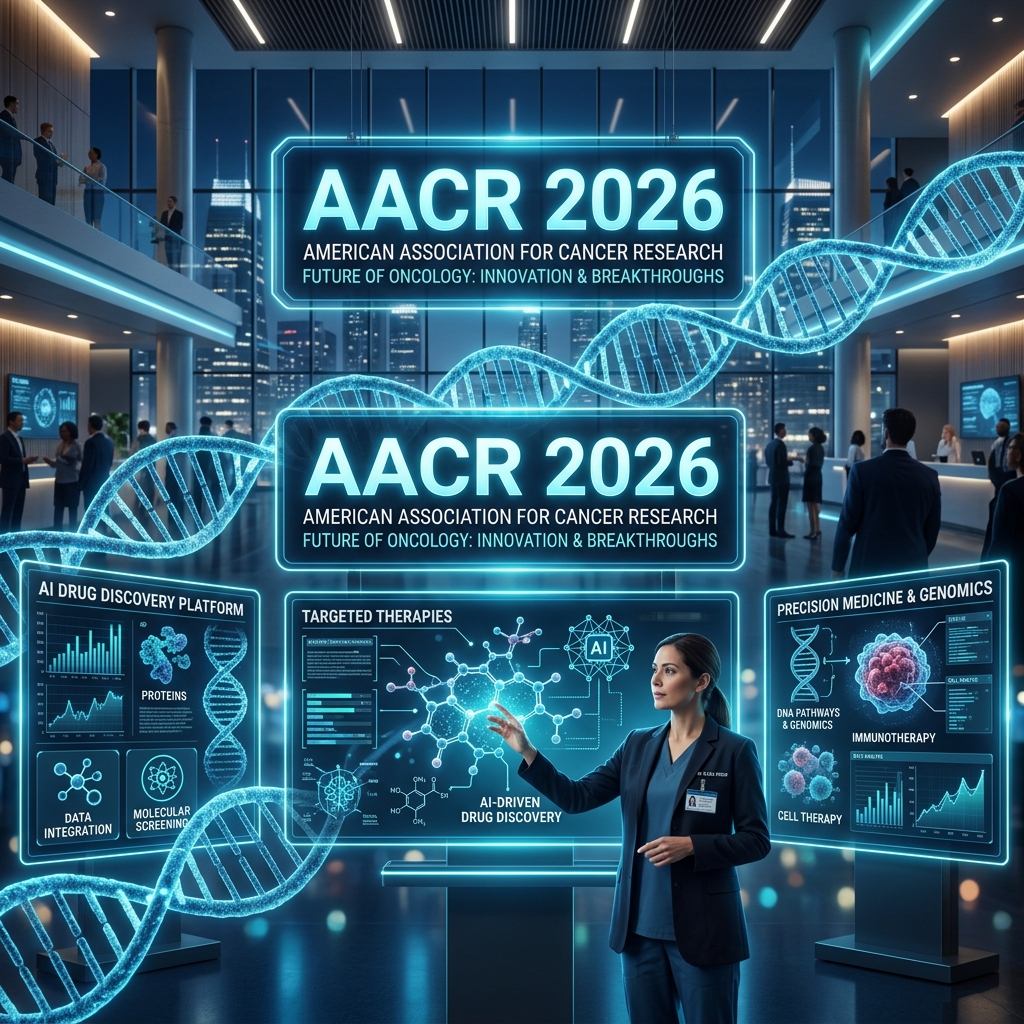
Futuristic clinical visualization of AACR 2026 oncology breakthroughs

1. The Era of AI-Designed Drug Candidates

One of the most talked-about presentations featured Insilico Medicine’s ISM6200, a preclinical candidate for ovarian cancer designed entirely by AI. By targeting the NR3C1 receptor, this molecule demonstrates how computational platforms can accelerate the identifying of high-potency targets, potentially cutting years off traditional development timelines.

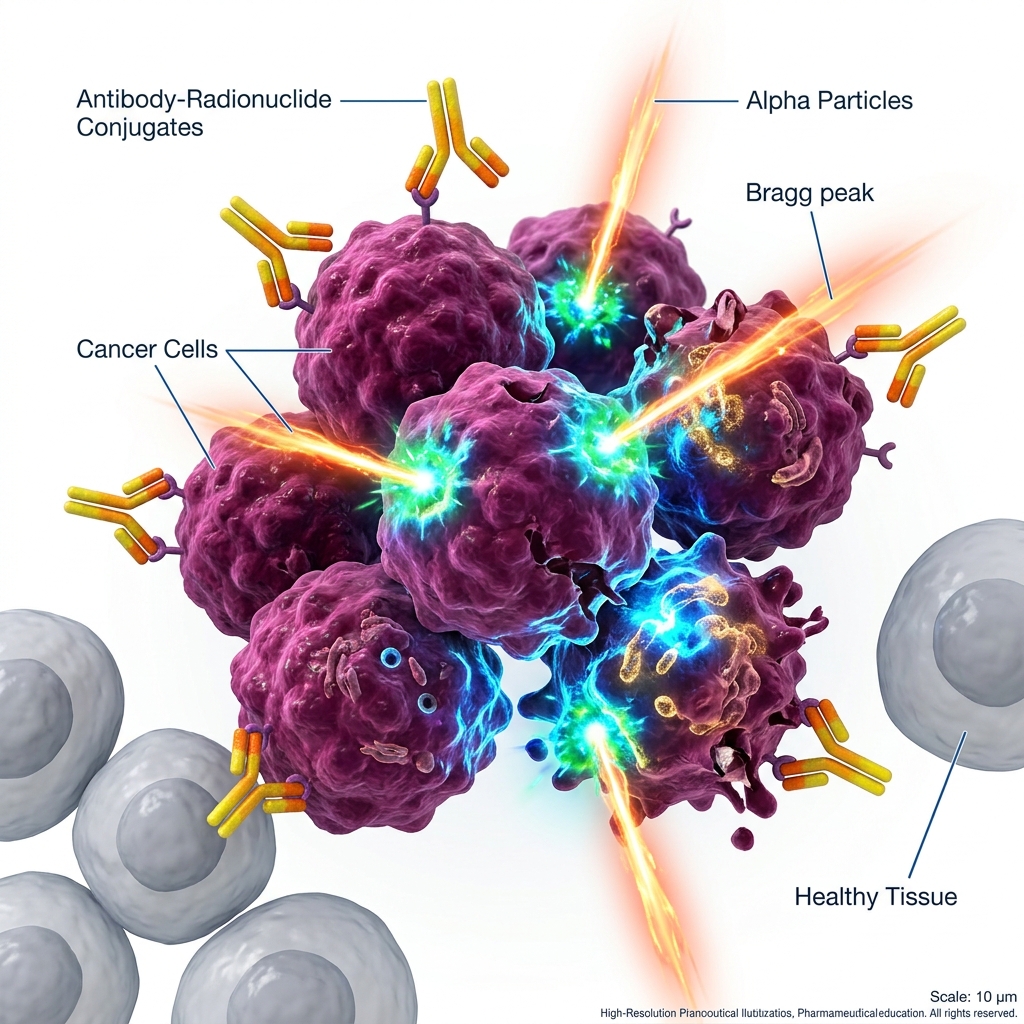
2. Next-Generation Antibody-Drug Conjugates (ADCs)

The conference underscored the massive success of "Magic Bullet" therapies. New datasets on Tubulis’s ADC platforms (following Gilead’s major acquisition interest) show unprecedented precision in delivering cytotoxic payloads to solid tumors while sparing healthy tissue, significantly reducing the systemic side effects that have historically limited chemotherapy.

3. Nutritional Synergy in Immunotherapy

In a surprising but pivotal study, researchers provided evidence that Zeaxanthin—a nutrient found in leafy greens—can significantly enhance the efficacy of immune checkpoint inhibitors like Keytruda. In preclinical models, this natural compound was shown to strengthen CD8+ T cells, creating a more robust immune response against melanoma and glioblastoma.

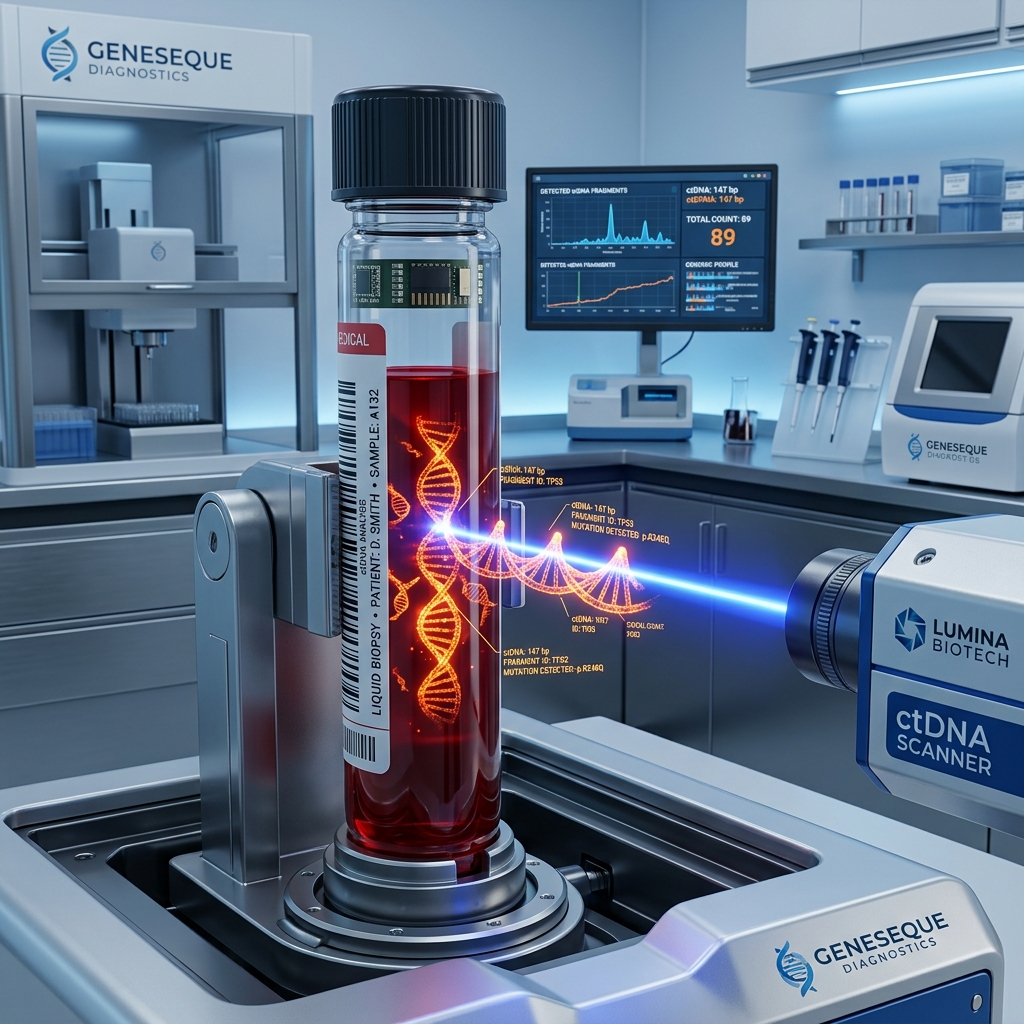
4. Liquid Biopsy and ctDNA Monitoring

Early data from the Multi-Cancer Early Detection (MCED) programs in 2026 show that liquid biopsies analyzing circulating tumor DNA (ctDNA) are now 98% accurate in detecting minimal residual disease (MRD) in early-stage breast cancer. This allowing oncologists to adjust treatment months before a physical recurrence would be visible on a scan.

5. Accelerated Approvals for Rare Mutations

The FDA’s latest flurry of approvals, including Zongertinib (Hernexeos) for HER2-tyrosine kinase mutations in lung cancer, highlights the shift toward genotype-first treatment. If you have a specific genetic driver, science now has a specific, approved solution.

The AACR 2026 conference is a testament to the power of collaborative innovation. As we move forward, Onco Medicine remains your trusted bridge to these advanced global therapies. We are proud to support the clinicians and patients who are turning these scientific breakthroughs into clinical reality.
Oncology News

AACR Annual Meeting 2026 Highlights The Breakthroughs Redefining the Future of Cancer Treatment

D
Dr. Sarah Mitchell
April 12, 2026
AACR Annual Meeting 2026 Highlights The Breakthroughs Redefining the Future of Cancer Treatment
Onco Medicine

At a glance

Evidence-informed overview from Onco Medicine. Key themes in this article:

  • Clinically reviewed framing
  • Safety & protocol awareness
  • Patient-relevant takeaways

Prefer to chat on WhatsApp?

Message our pharmacy team directly about this treatment — we reply with product details, sourcing, and next steps.

Chat on WhatsApp

As of April 12, 2026, the global oncology community is converged on San Diego for the AACR Annual Meeting, witnessing a historic leap in cancer science. This year’s conference has transcended traditional boundaries, showcasing breakthroughs that bridge the gap between artificial intelligence, molecular engineering, and clinical care.

At Onco Medicine, we are committed to keeping you informed of these seismic shifts. The 2026 meeting has highlighted five key areas that are set to redefine the standard of care for patients worldwide. From "AI-designed" drug candidates to nutritional enhancers for immunotherapy, the future of oncology is more targeted and effective than ever before.

Futuristic clinical visualization of AACR 2026 oncology breakthroughs

1. The Era of AI-Designed Drug Candidates

One of the most talked-about presentations featured Insilico Medicine’s ISM6200, a preclinical candidate for ovarian cancer designed entirely by AI. By targeting the NR3C1 receptor, this molecule demonstrates how computational platforms can accelerate the identifying of high-potency targets, potentially cutting years off traditional development timelines.

2. Next-Generation Antibody-Drug Conjugates (ADCs)

The conference underscored the massive success of "Magic Bullet" therapies. New datasets on Tubulis’s ADC platforms (following Gilead’s major acquisition interest) show unprecedented precision in delivering cytotoxic payloads to solid tumors while sparing healthy tissue, significantly reducing the systemic side effects that have historically limited chemotherapy.

3. Nutritional Synergy in Immunotherapy

In a surprising but pivotal study, researchers provided evidence that Zeaxanthin—a nutrient found in leafy greens—can significantly enhance the efficacy of immune checkpoint inhibitors like Keytruda. In preclinical models, this natural compound was shown to strengthen CD8+ T cells, creating a more robust immune response against melanoma and glioblastoma.

4. Liquid Biopsy and ctDNA Monitoring

Early data from the Multi-Cancer Early Detection (MCED) programs in 2026 show that liquid biopsies analyzing circulating tumor DNA (ctDNA) are now 98% accurate in detecting minimal residual disease (MRD) in early-stage breast cancer. This allowing oncologists to adjust treatment months before a physical recurrence would be visible on a scan.

5. Accelerated Approvals for Rare Mutations

The FDA’s latest flurry of approvals, including Zongertinib (Hernexeos) for HER2-tyrosine kinase mutations in lung cancer, highlights the shift toward genotype-first treatment. If you have a specific genetic driver, science now has a specific, approved solution.

The AACR 2026 conference is a testament to the power of collaborative innovation. As we move forward, Onco Medicine remains your trusted bridge to these advanced global therapies. We are proud to support the clinicians and patients who are turning these scientific breakthroughs into clinical reality.


D

Dr. Sarah Mitchell

Dr. Sarah Mitchell is a lead clinical researcher specializing in genomic profiling and the application of targeted immunotherapy in oncology.

Continue your care journey

This article is for general education. For medicine availability, prescriptions, and orders, use our catalog and pharmacy team.

Chat on WhatsAppBrowse catalogTreatmentsContact pharmacistsUpload prescription

Related Articles

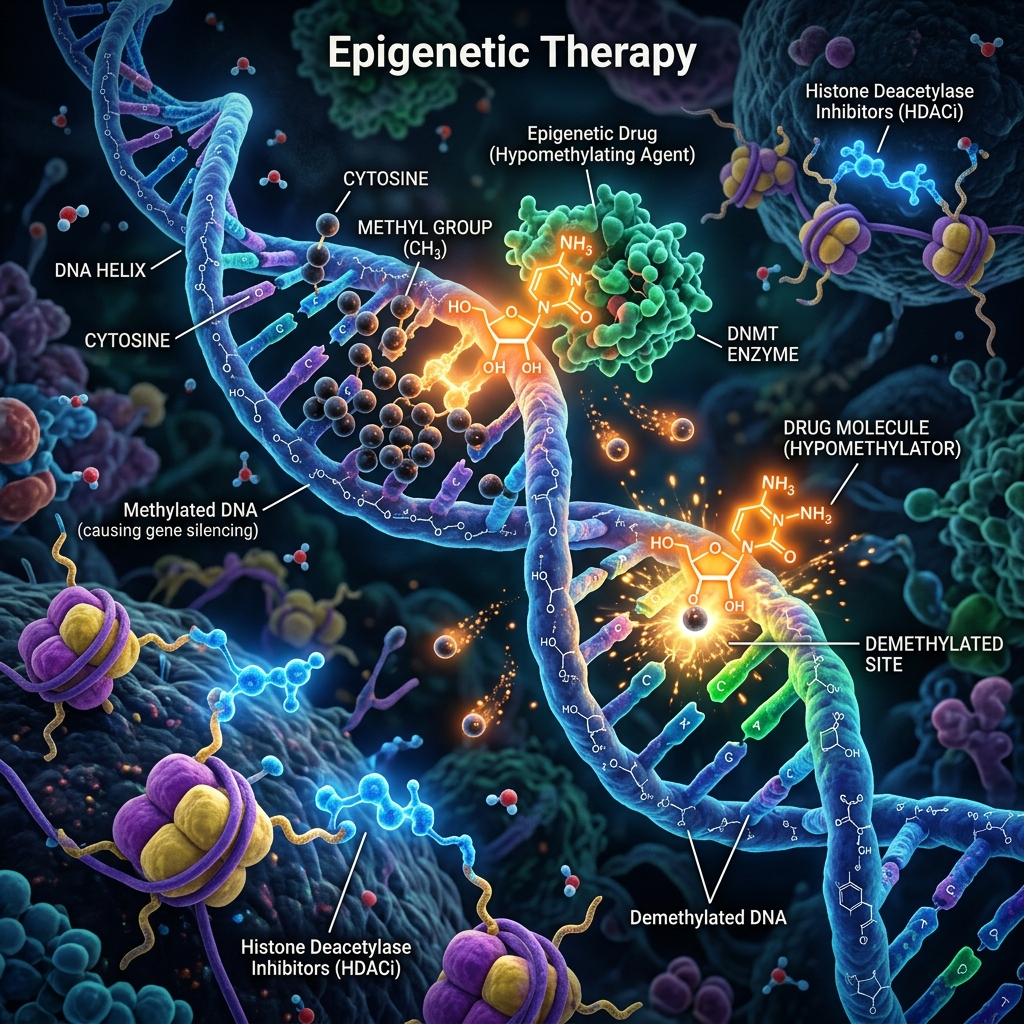
Epigenetic Therapy The Next Frontier in Cancer Treatment 2026

Precision Oncology

Epigenetic Therapy The Next Frontier in Cancer Treatment 2026

Read Article

Found this helpful?