Bispecific T Cell Engagers BiTEs 2026 Breakthroughs in Solid Tumor Applications
Author: Dr. Sarah Mitchell
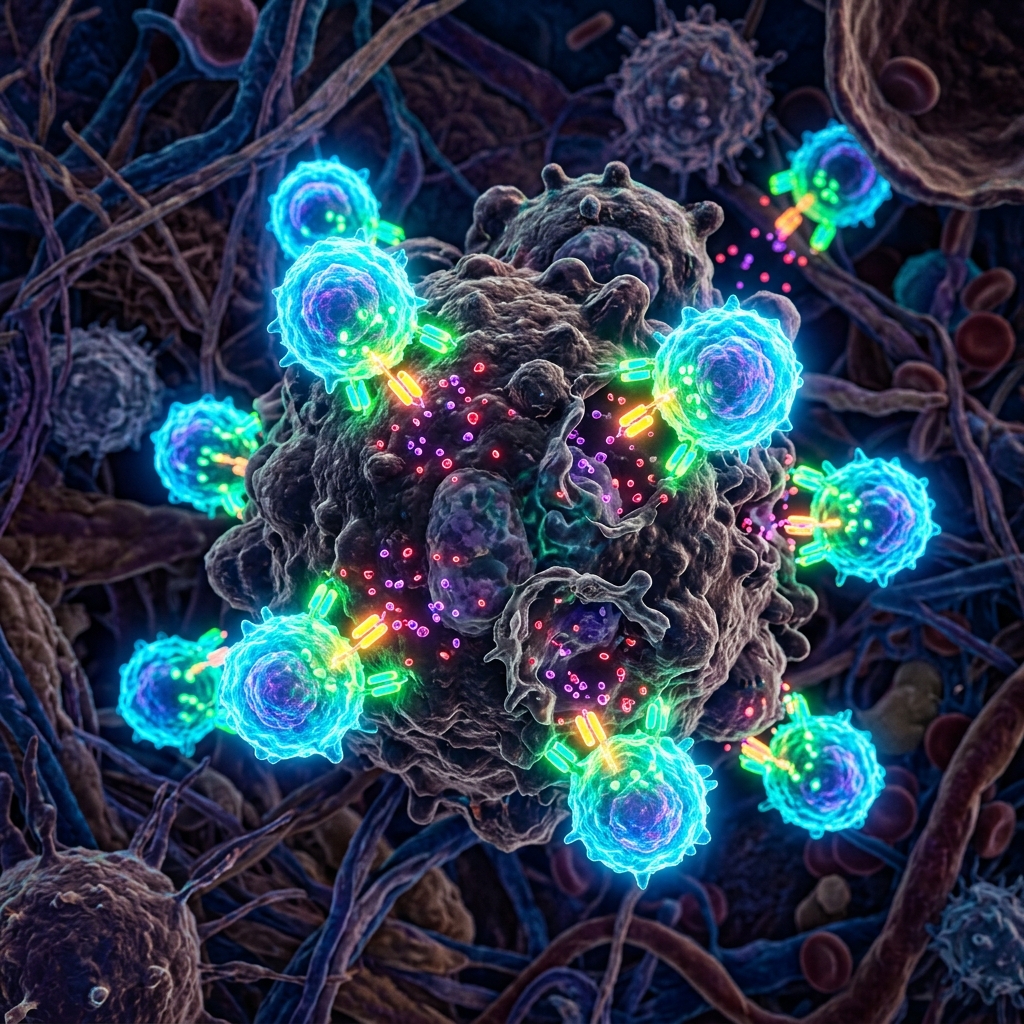
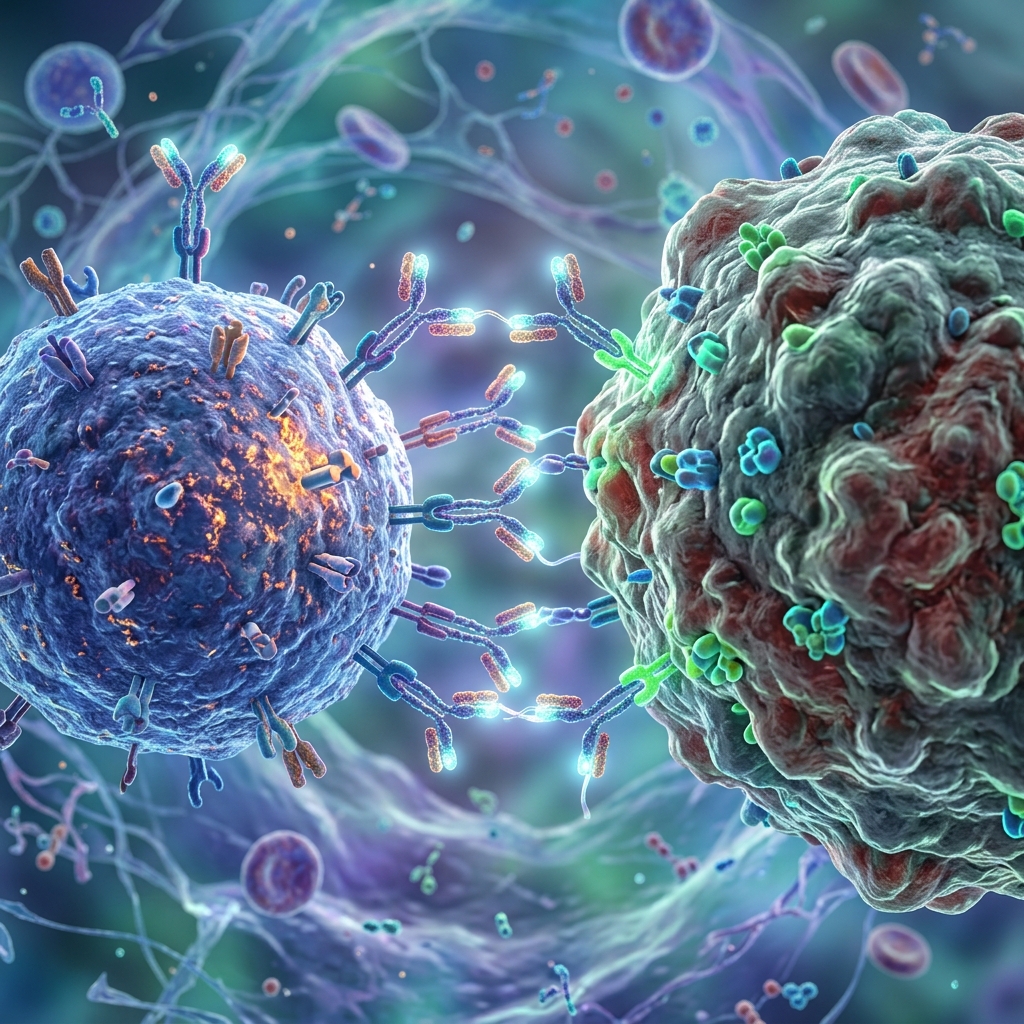
In May 2026, Bispecific T-Cell Engagers (BiTEs) have crossed a major threshold: demonstrating profound clinical efficacy in solid tumors. These "dual-action" antibodies act as a physical bridge, with one arm grabbing a cancer cell and the other arm grabbing a patient's T-cell, forcing an immediate, localized immune attack.
At Onco Medicine, we are proud to support the distribution and administration of these complex biologics. By physically uniting the immune system with the malignancy, BiTEs are overcoming one of the greatest challenges in oncology: tumor immune evasion.
The 2026 BiTE Revolution in Solid Tumors
Historically limited to hematological malignancies (blood cancers), BiTE technology in 2026 has been successfully engineered to target specific antigens found on solid tumors like prostate, gastric, and small-cell lung cancers.
- Half-Life Extension (HLE): Next-generation BiTEs now feature extended half-lives, allowing for convenient subcutaneous (SC) dosing once every week or two weeks, rather than requiring continuous intravenous infusion.
- Overcoming the Tumor Microenvironment: New BiTE constructs are designed to be active even in the immunosuppressive environments typical of solid tumors, maintaining their potency where previous immunotherapies failed.
- Reduced Toxicity: 2026 formulations show significantly lower rates of severe Cytokine Release Syndrome (CRS), making these therapies safer for a broader patient population.
Bridging the gap between the immune system and the tumor. The success of BiTEs in solid tumors marks a new chapter in cancer treatment. Onco Medicine is dedicated to ensuring these vital therapies are accessible to patients worldwide.