Pharmacist support 24/7

CRISPR Cas9 Epigenetic Rewriting in Oncology A 2026 Reality

Author: Dr. Elena Vance

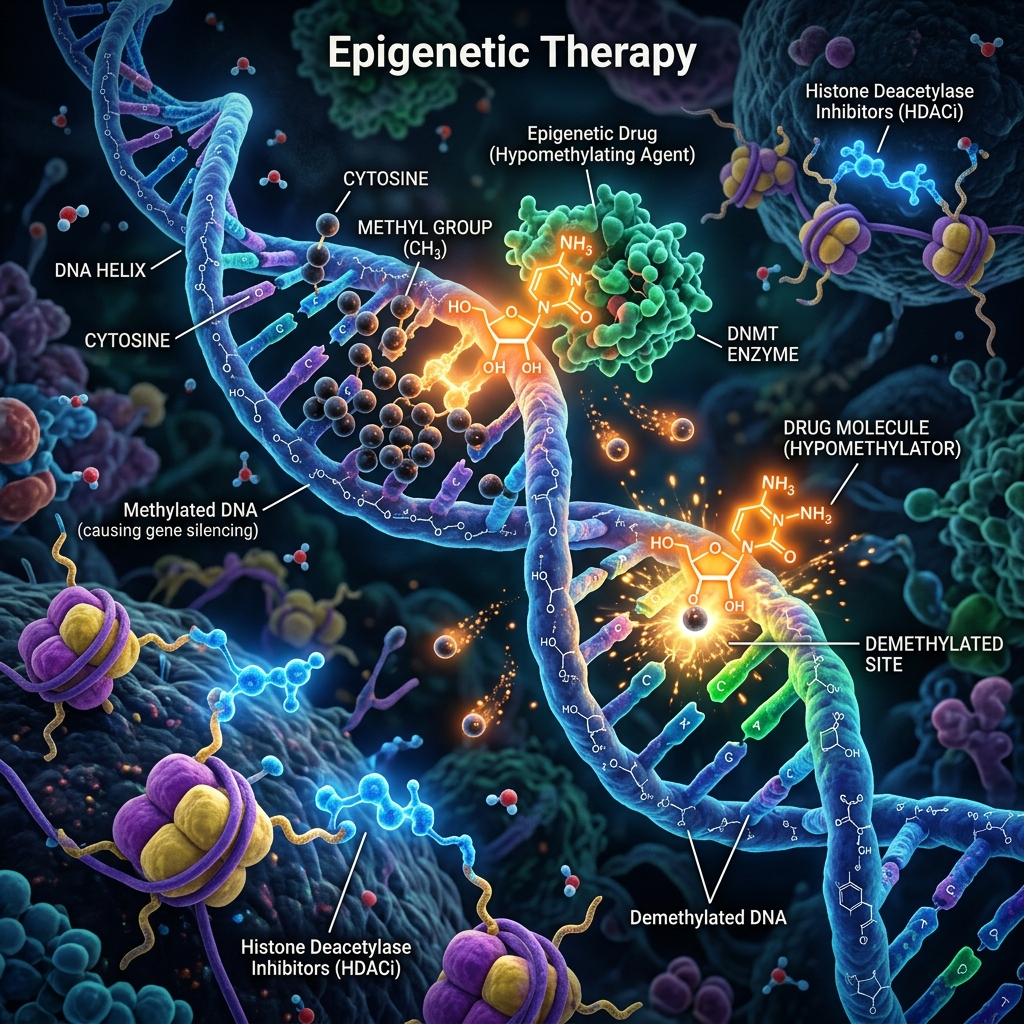
By May 31, 2026, CRISPR-based epigenetic rewriting has emerged as a groundbreaking approach in precision oncology, offering a way to turn off cancer-driving genes without permanently altering the DNA sequence. Unlike traditional CRISPR-Cas9 methods that cut the genome, epigenetic editing utilizes a catalytically inactive "dead" Cas9 (dCas9) fused with molecular tags to deposit chemical markings that suppress tumor progression.

At Onco Medicine, we are closely tracking these developments to align our specialty medication sourcing with next-generation cellular therapies. Modifying gene expression rather than gene sequences represents a major safety advancement in oncological therapy.

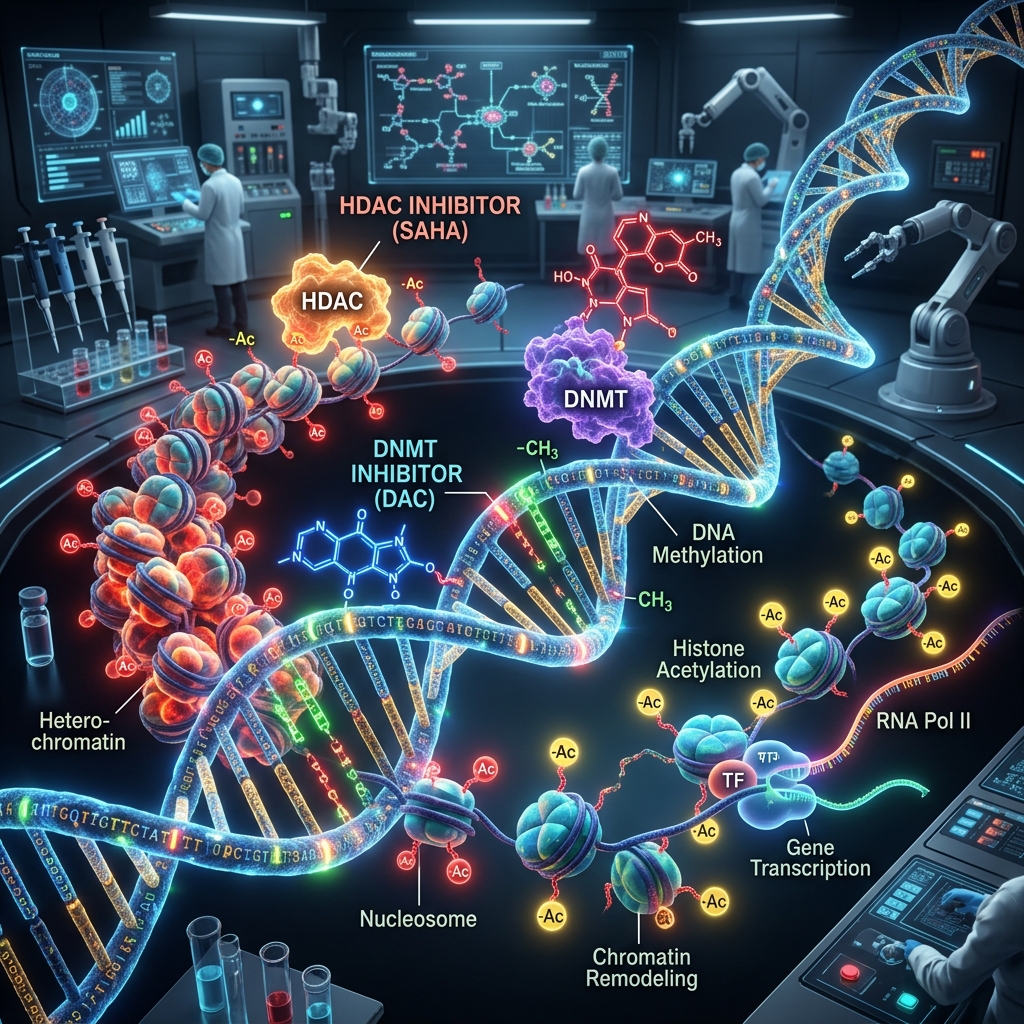
High-tech lab environment displaying a glowing double-helix DNA strand with CRISPR epigenetic editing active

The Mechanics of Epigenetic Rewriting

  • Targeted Gene Silencing: By directing dCas9 to the promoter regions of oncogenes (like MYC or KRAS), researchers can deposit methyl groups that halt gene transcription, effectively silencing the tumor's growth signals.
  • Reversible Modifications: Since the DNA sequence remains intact, epigenetic marks can theoretically be modified or reversed, providing a level of control that traditional gene editing lacks.
  • Overcoming Tumor Resistance: Epigenetic silencing can be paired with conventional targeted therapies to prevent cancer cells from activating alternative survival pathways, shutting down resistance mechanisms.

Precision medicine is moving beyond simple genetic sequencing. The ability to rewrite the epigenetic status of malignant cells offers an ultra-targeted, non-destructive therapeutic avenue. Onco Medicine is proud to support the clinical networks bringing these next-generation genetic tools to the forefront of patient care.


Precision Oncology

CRISPR Cas9 Epigenetic Rewriting in Oncology A 2026 Reality

D
Dr. Elena Vance
May 31, 2026
CRISPR Cas9 Epigenetic Rewriting in Oncology A 2026 Reality
Onco Medicine

At a glance

Evidence-informed overview from Onco Medicine. Key themes in this article:

  • Clinically reviewed framing
  • Safety & protocol awareness
  • Patient-relevant takeaways

Prefer to chat on WhatsApp?

Message our pharmacy team directly about this treatment — we reply with product details, sourcing, and next steps.

Chat on WhatsApp

By May 31, 2026, CRISPR-based epigenetic rewriting has emerged as a groundbreaking approach in precision oncology, offering a way to turn off cancer-driving genes without permanently altering the DNA sequence. Unlike traditional CRISPR-Cas9 methods that cut the genome, epigenetic editing utilizes a catalytically inactive "dead" Cas9 (dCas9) fused with molecular tags to deposit chemical markings that suppress tumor progression.

At Onco Medicine, we are closely tracking these developments to align our specialty medication sourcing with next-generation cellular therapies. Modifying gene expression rather than gene sequences represents a major safety advancement in oncological therapy.

High-tech lab environment displaying a glowing double-helix DNA strand with CRISPR epigenetic editing active

The Mechanics of Epigenetic Rewriting

  • Targeted Gene Silencing: By directing dCas9 to the promoter regions of oncogenes (like MYC or KRAS), researchers can deposit methyl groups that halt gene transcription, effectively silencing the tumor's growth signals.
  • Reversible Modifications: Since the DNA sequence remains intact, epigenetic marks can theoretically be modified or reversed, providing a level of control that traditional gene editing lacks.
  • Overcoming Tumor Resistance: Epigenetic silencing can be paired with conventional targeted therapies to prevent cancer cells from activating alternative survival pathways, shutting down resistance mechanisms.

Precision medicine is moving beyond simple genetic sequencing. The ability to rewrite the epigenetic status of malignant cells offers an ultra-targeted, non-destructive therapeutic avenue. Onco Medicine is proud to support the clinical networks bringing these next-generation genetic tools to the forefront of patient care.


D

Dr. Elena Vance

Dr. Elena Vance is a systems biologist and pioneer in digital twin modeling for drug discovery and personalized patient care.

Continue your care journey

This article is for general education. For medicine availability, prescriptions, and orders, use our catalog and pharmacy team.

Chat on WhatsAppBrowse catalogTreatmentsContact pharmacistsUpload prescription

Related Articles

Canada Oncology Sourcing Health Canada Regulations and Cold Chain Access in 2026

Precision Oncology

Canada Oncology Sourcing Health Canada Regulations and Cold Chain Access in 2026

Read Article

Found this helpful?