Pharmacist support 24/7

How AI Powered Cancer Diagnostics Are Revolutionizing Early Detection in 2026

Author: Dr. James Nakamura

Artificial intelligence is transforming the landscape of cancer diagnostics at an unprecedented pace. In 2026, AI-powered cancer detection systems are achieving accuracy levels that rival — and in many cases surpass — experienced oncologists, radiologists, and pathologists. From analyzing medical imaging and pathology slides to processing complex genomic data, AI is becoming an indispensable tool in the global fight against cancer.

This comprehensive guide explores how AI-powered cancer diagnostics work, the latest breakthroughs in 2026, and what these innovations mean for patients, healthcare providers, and the future of precision oncology.
AI-powered cancer diagnostics molecular analysis 2026

The Rise of AI in Oncology: Why 2026 Is a Turning Point

The integration of artificial intelligence into cancer care has been building for over a decade, but 2026 marks a critical inflection point. Several factors are converging to make AI-powered cancer diagnostics more effective, accessible, and clinically validated than ever before:

  • Massive training datasets — AI models now train on millions of annotated pathology images, CT scans, MRIs, and genomic profiles
  • FDA-cleared AI diagnostic platforms — Over 50 AI-based cancer screening tools have gained regulatory approval worldwide
  • Real-world clinical validation — Major hospitals and cancer centers are publishing multi-year outcome studies confirming AI accuracy
  • Integration with electronic health records (EHR) — AI systems now seamlessly connect with patient data for holistic risk assessment
  • Cost reduction — Cloud-based AI platforms make advanced diagnostics affordable even in resource-limited settings

How AI-Powered Cancer Detection Systems Work

Modern AI cancer diagnostic systems leverage multiple types of machine learning and deep learning algorithms to analyze complex medical data. Here's how the technology functions across different diagnostic modalities:
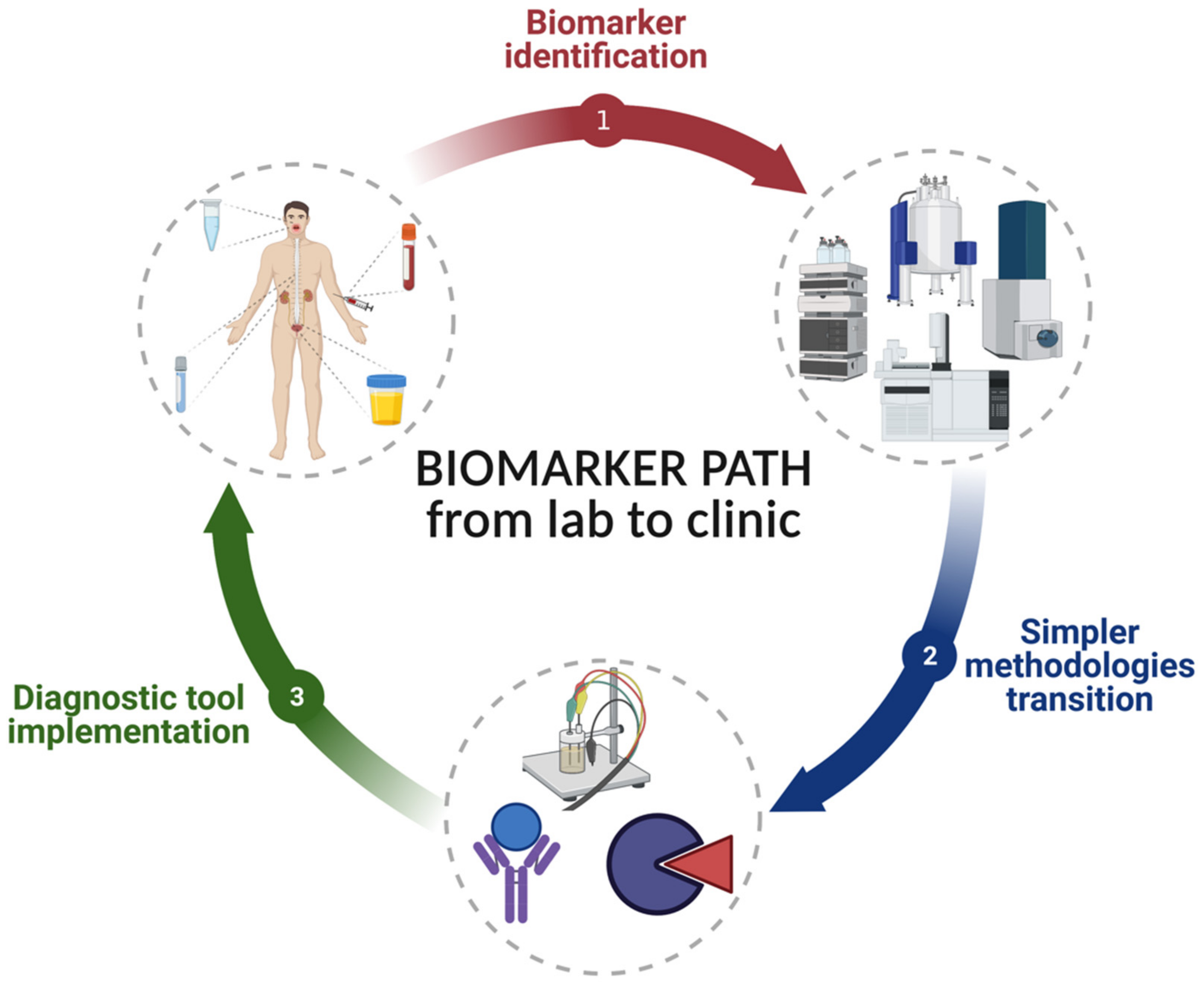
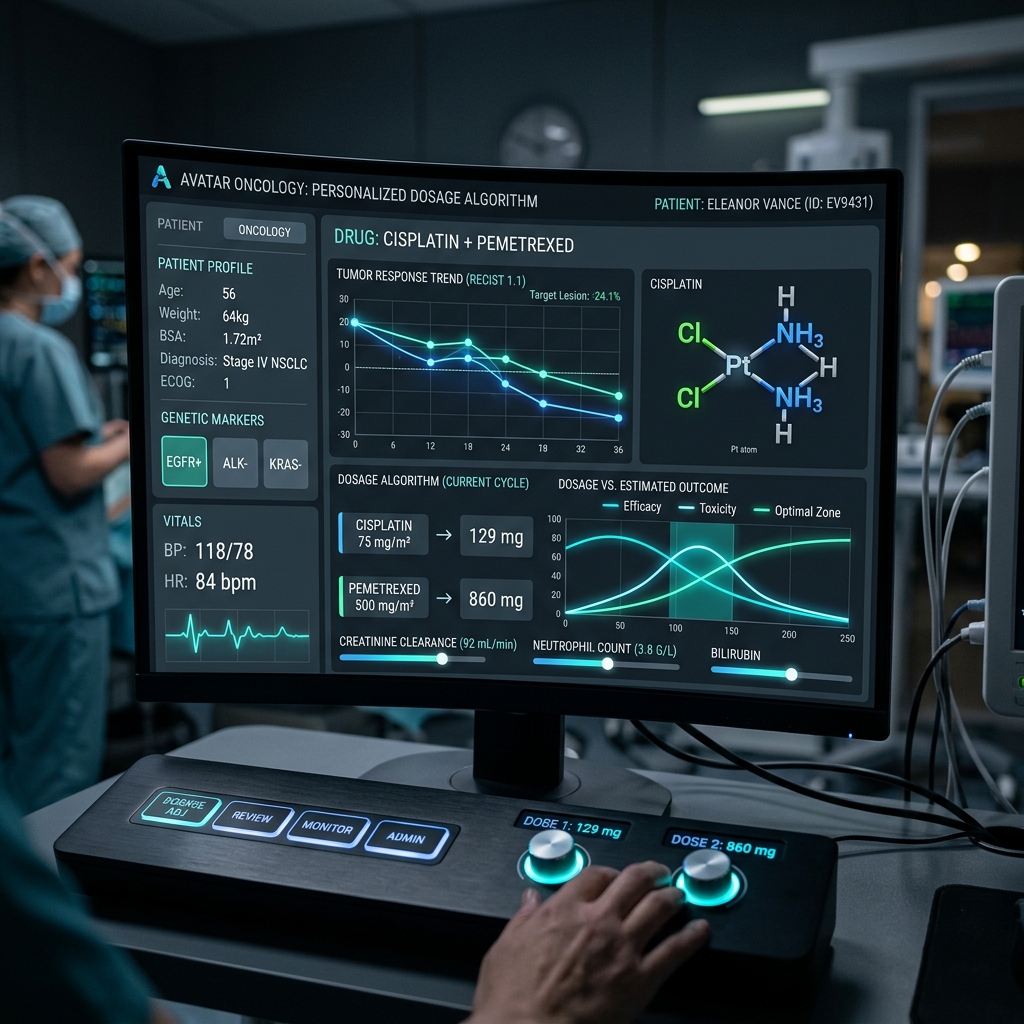
AI machine learning cancer detection algorithm workflow

1. AI in Medical Imaging (Radiology)

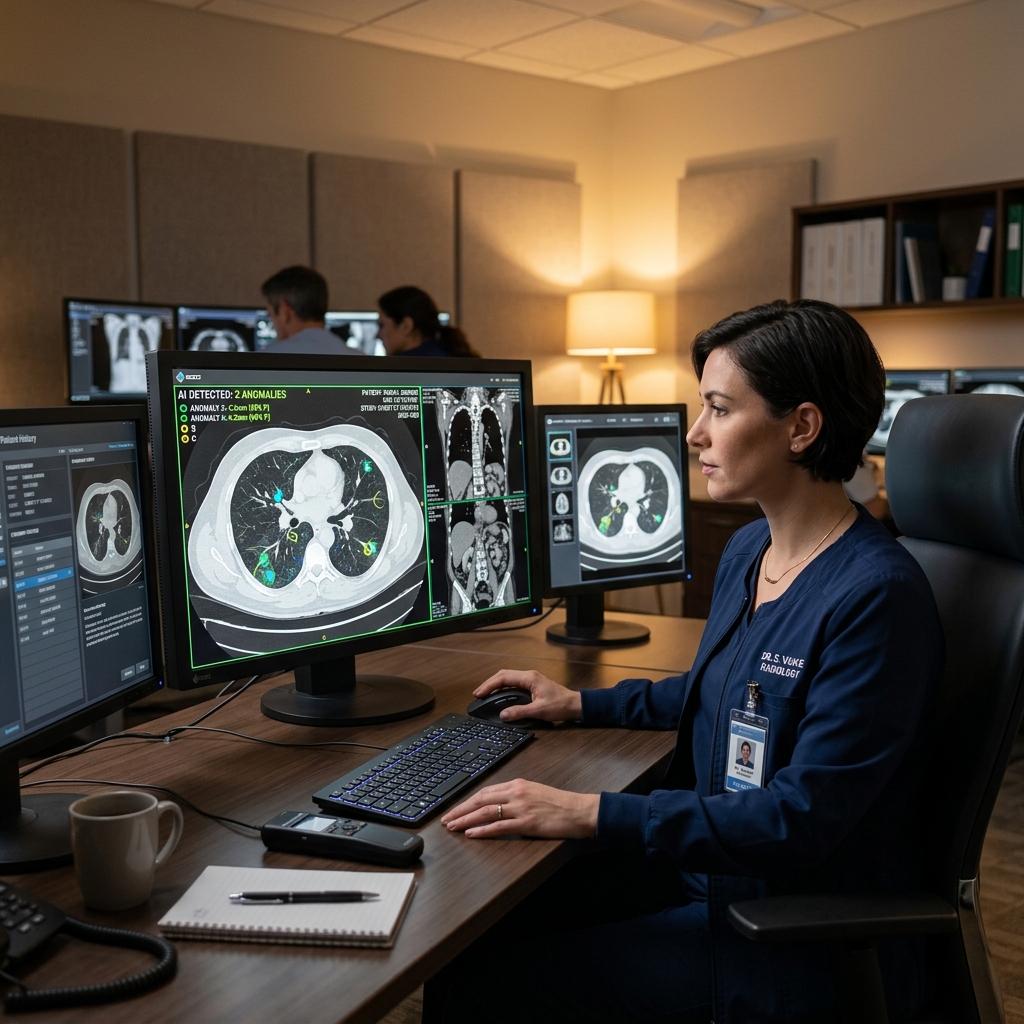
AI algorithms analyze CT scans, MRIs, X-rays, and PET scans to detect tumors, lesions, and abnormalities with remarkable precision. Convolutional neural networks (CNNs) can identify patterns invisible to the human eye, detecting cancers at earlier stages and reducing false-positive rates.

  • Lung cancer: AI can detect pulmonary nodules as small as 2mm on low-dose CT scans
  • Breast cancer: AI-enhanced mammography reduces missed cancers by up to 20%
  • Brain tumors: AI MRI analysis can differentiate between benign and malignant lesions with 95%+ accuracy

2. AI in Digital Pathology

Digital pathology platforms use AI to analyze high-resolution images of tissue slides, automating the identification of cancer cells, grading tumors, and predicting treatment responses. This technology is particularly impactful for:

  • Prostate cancer grading — AI matches expert pathologists in Gleason score accuracy
  • Skin cancer classification — AI dermatoscopy tools achieve dermatologist-level diagnosis
  • Colorectal cancer screening — AI polyp detection in colonoscopy improves adenoma detection rates by 30%

3. AI in Genomic Analysis

AI processes vast amounts of genomic, transcriptomic, and proteomic data to identify cancer-driving mutations, predict drug sensitivity, and guide personalized treatment strategies. Applications include:

  • Tumor mutation profiling — identifying actionable genetic targets for precision therapy
  • Liquid biopsy analysis — AI enhances the sensitivity of circulating tumor DNA (ctDNA) detection
  • Multi-cancer early detection (MCED) tests — AI algorithms power blood tests that can screen for 50+ cancer types simultaneously

Major AI Cancer Diagnostic Breakthroughs in 2026

Several groundbreaking developments have defined the AI cancer diagnostics landscape in 2026:

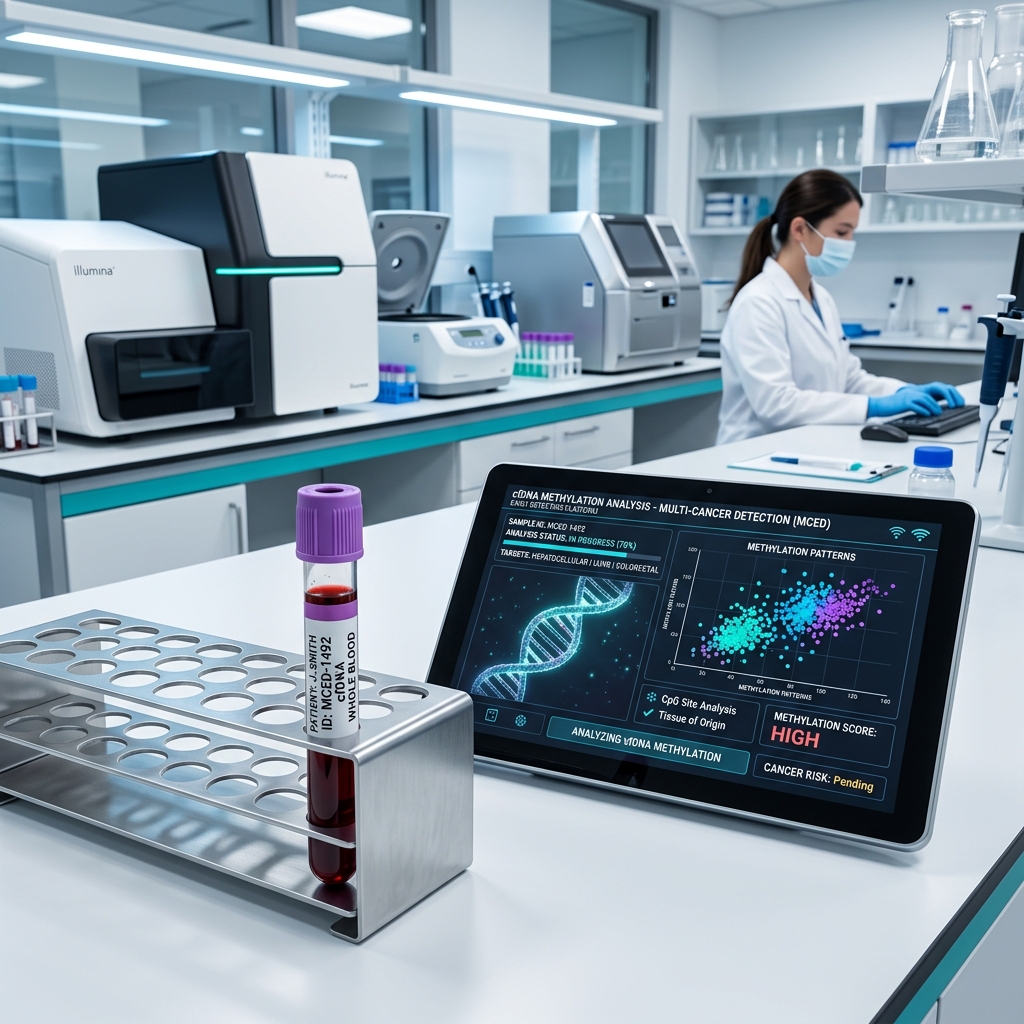
cancer diagnostic breakthrough 2026 precision medicine
  1. Multi-Cancer Blood Tests: AI-enhanced blood-based screening tests, such as Galleri by GRAIL, can now detect signals from over 50 different cancer types from a single blood draw, with improving positive predictive values.
  2. Real-Time Surgical AI: Intraoperative AI systems guide surgeons by identifying tumor margins in real-time, ensuring complete cancer removal while preserving healthy tissue.
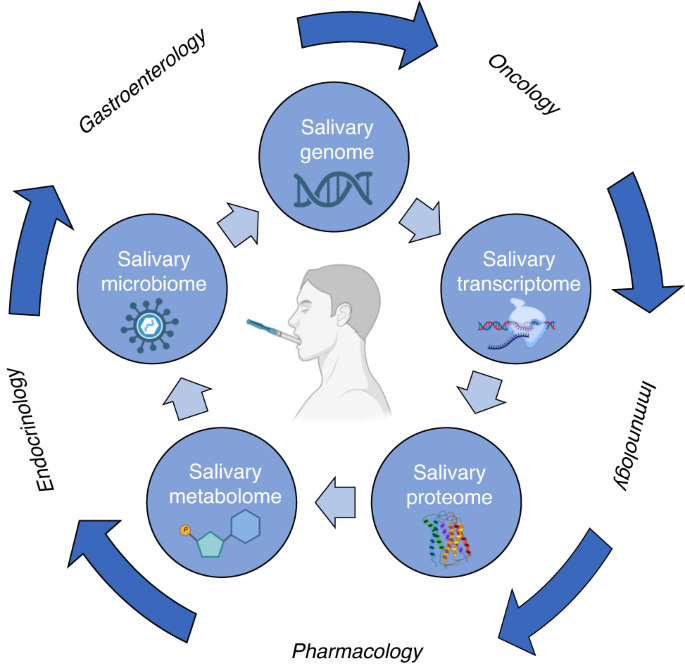
  3. AI-Powered Saliva Diagnostics: Following FDA Breakthrough Device Designation, saliva-based AI screening tools now combine biomarker analysis with machine learning for oral and throat cancer detection.
  4. Federated Learning for Rare Cancers: Hospitals worldwide contribute anonymized data to train AI models on rare cancer types, overcoming the challenge of limited training datasets.
  5. AI Chatbots for Cancer Risk Assessment: Patient-facing AI tools now assess individual cancer risk based on family history, lifestyle, and genetic markers, directing high-risk patients to appropriate screening programs.

Benefits of AI in Cancer Diagnostics

The integration of artificial intelligence into cancer diagnostics delivers transformative benefits across the entire healthcare ecosystem:
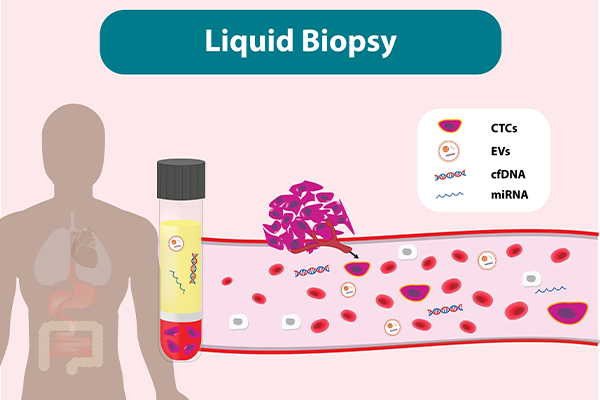
AI cancer diagnostics benefits precision healthcare
  • Earlier detection — AI identifies cancers at Stage I and Stage II, when treatment is most effective and survival rates are highest
  • Reduced diagnostic errors — AI serves as a reliable second opinion, flagging potential missed diagnoses
  • Faster turnaround times — AI analyzes complex data in seconds, reducing patient wait times from weeks to hours
  • Personalized treatment planning — AI predicts the most effective drug combinations based on individual tumor profiles
  • Global healthcare equity — AI-powered tools bring world-class diagnostics to rural and underserved communities
  • Cost savings — Automated analysis reduces the need for multiple specialist consultations and repeat testing

Challenges and Ethical Considerations

While AI cancer diagnostics offer tremendous promise, important challenges must be addressed:

  • Data privacy and security — Patient genomic and medical data must be protected under HIPAA, GDPR, and international privacy regulations
  • Algorithmic bias — AI models must be trained on diverse, representative datasets to avoid disparities in diagnostic accuracy across different populations
  • Regulatory frameworks — Continuous updates to FDA and EMA guidelines are needed as AI technology evolves rapidly
  • Clinical integration — Healthcare providers need training and workflow adjustments to effectively utilize AI tools
  • Transparency — Explainable AI (XAI) is essential so clinicians understand how AI reaches its diagnostic conclusions

The Future of AI-Powered Cancer Diagnostics

Looking ahead, AI-powered cancer diagnostics will continue to evolve in several key directions:
future AI cancer diagnostics molecular medicine
  • Multimodal AI — Systems that combine imaging, genomics, pathology, and clinical data for comprehensive cancer diagnosis in a single platform
  • Predictive oncology — AI that predicts cancer development years before clinical symptoms appear
  • AI-guided clinical trials — Matching patients with the most appropriate clinical trials based on their molecular profiles
  • Wearable cancer detection — AI-connected biosensors that continuously monitor blood biomarkers for early cancer signals
  • Global cancer surveillance — AI-powered epidemiological tools that track cancer trends in real-time across populations

Conclusion

AI-powered cancer diagnostics represent one of the most significant medical advances of the 21st century. By combining the analytical power of machine learning with vast repositories of medical data, AI is enabling earlier, faster, and more accurate cancer detection than ever before. As we move further into 2026 and beyond, the continued development and responsible deployment of AI in oncology will be critical to reducing the global cancer burden and saving millions of lives.

Sources of Support and Information:
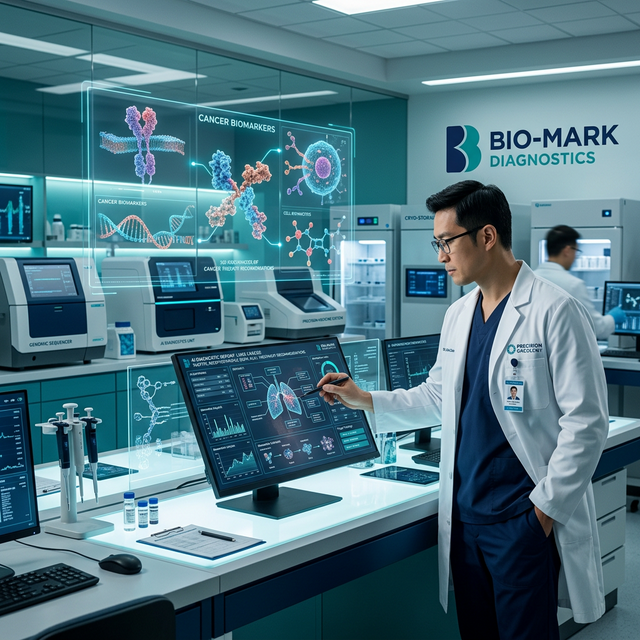
AI Cancer Diagnostics

How AI Powered Cancer Diagnostics Are Revolutionizing Early Detection in 2026

D
Dr. James Nakamura
March 10, 2026
How AI Powered Cancer Diagnostics Are Revolutionizing Early Detection in 2026
Onco Medicine

At a glance

Evidence-informed overview from Onco Medicine. Key themes in this article:

  • Clinically reviewed framing
  • Safety & protocol awareness
  • Patient-relevant takeaways

Prefer to chat on WhatsApp?

Message our pharmacy team directly about this treatment — we reply with product details, sourcing, and next steps.

Chat on WhatsApp

Artificial intelligence is transforming the landscape of cancer diagnostics at an unprecedented pace. In 2026, AI-powered cancer detection systems are achieving accuracy levels that rival — and in many cases surpass — experienced oncologists, radiologists, and pathologists. From analyzing medical imaging and pathology slides to processing complex genomic data, AI is becoming an indispensable tool in the global fight against cancer.

This comprehensive guide explores how AI-powered cancer diagnostics work, the latest breakthroughs in 2026, and what these innovations mean for patients, healthcare providers, and the future of precision oncology.

AI-powered cancer diagnostics molecular analysis 2026

The Rise of AI in Oncology: Why 2026 Is a Turning Point

The integration of artificial intelligence into cancer care has been building for over a decade, but 2026 marks a critical inflection point. Several factors are converging to make AI-powered cancer diagnostics more effective, accessible, and clinically validated than ever before:

  • Massive training datasets — AI models now train on millions of annotated pathology images, CT scans, MRIs, and genomic profiles
  • FDA-cleared AI diagnostic platforms — Over 50 AI-based cancer screening tools have gained regulatory approval worldwide
  • Real-world clinical validation — Major hospitals and cancer centers are publishing multi-year outcome studies confirming AI accuracy
  • Integration with electronic health records (EHR) — AI systems now seamlessly connect with patient data for holistic risk assessment
  • Cost reduction — Cloud-based AI platforms make advanced diagnostics affordable even in resource-limited settings

How AI-Powered Cancer Detection Systems Work

Modern AI cancer diagnostic systems leverage multiple types of machine learning and deep learning algorithms to analyze complex medical data. Here's how the technology functions across different diagnostic modalities:

AI machine learning cancer detection algorithm workflow

1. AI in Medical Imaging (Radiology)

AI algorithms analyze CT scans, MRIs, X-rays, and PET scans to detect tumors, lesions, and abnormalities with remarkable precision. Convolutional neural networks (CNNs) can identify patterns invisible to the human eye, detecting cancers at earlier stages and reducing false-positive rates.

  • Lung cancer: AI can detect pulmonary nodules as small as 2mm on low-dose CT scans
  • Breast cancer: AI-enhanced mammography reduces missed cancers by up to 20%
  • Brain tumors: AI MRI analysis can differentiate between benign and malignant lesions with 95%+ accuracy

2. AI in Digital Pathology

Digital pathology platforms use AI to analyze high-resolution images of tissue slides, automating the identification of cancer cells, grading tumors, and predicting treatment responses. This technology is particularly impactful for:

  • Prostate cancer grading — AI matches expert pathologists in Gleason score accuracy
  • Skin cancer classification — AI dermatoscopy tools achieve dermatologist-level diagnosis
  • Colorectal cancer screening — AI polyp detection in colonoscopy improves adenoma detection rates by 30%

3. AI in Genomic Analysis

AI processes vast amounts of genomic, transcriptomic, and proteomic data to identify cancer-driving mutations, predict drug sensitivity, and guide personalized treatment strategies. Applications include:

  • Tumor mutation profiling — identifying actionable genetic targets for precision therapy
  • Liquid biopsy analysis — AI enhances the sensitivity of circulating tumor DNA (ctDNA) detection
  • Multi-cancer early detection (MCED) tests — AI algorithms power blood tests that can screen for 50+ cancer types simultaneously

Major AI Cancer Diagnostic Breakthroughs in 2026

Several groundbreaking developments have defined the AI cancer diagnostics landscape in 2026:

cancer diagnostic breakthrough 2026 precision medicine
  1. Multi-Cancer Blood Tests: AI-enhanced blood-based screening tests, such as Galleri by GRAIL, can now detect signals from over 50 different cancer types from a single blood draw, with improving positive predictive values.
  2. Real-Time Surgical AI: Intraoperative AI systems guide surgeons by identifying tumor margins in real-time, ensuring complete cancer removal while preserving healthy tissue.
  3. AI-Powered Saliva Diagnostics: Following FDA Breakthrough Device Designation, saliva-based AI screening tools now combine biomarker analysis with machine learning for oral and throat cancer detection.
  4. Federated Learning for Rare Cancers: Hospitals worldwide contribute anonymized data to train AI models on rare cancer types, overcoming the challenge of limited training datasets.
  5. AI Chatbots for Cancer Risk Assessment: Patient-facing AI tools now assess individual cancer risk based on family history, lifestyle, and genetic markers, directing high-risk patients to appropriate screening programs.

Benefits of AI in Cancer Diagnostics

The integration of artificial intelligence into cancer diagnostics delivers transformative benefits across the entire healthcare ecosystem:

AI cancer diagnostics benefits precision healthcare
  • Earlier detection — AI identifies cancers at Stage I and Stage II, when treatment is most effective and survival rates are highest
  • Reduced diagnostic errors — AI serves as a reliable second opinion, flagging potential missed diagnoses
  • Faster turnaround times — AI analyzes complex data in seconds, reducing patient wait times from weeks to hours
  • Personalized treatment planning — AI predicts the most effective drug combinations based on individual tumor profiles
  • Global healthcare equity — AI-powered tools bring world-class diagnostics to rural and underserved communities
  • Cost savings — Automated analysis reduces the need for multiple specialist consultations and repeat testing

Challenges and Ethical Considerations

While AI cancer diagnostics offer tremendous promise, important challenges must be addressed:

  • Data privacy and security — Patient genomic and medical data must be protected under HIPAA, GDPR, and international privacy regulations
  • Algorithmic bias — AI models must be trained on diverse, representative datasets to avoid disparities in diagnostic accuracy across different populations
  • Regulatory frameworks — Continuous updates to FDA and EMA guidelines are needed as AI technology evolves rapidly
  • Clinical integration — Healthcare providers need training and workflow adjustments to effectively utilize AI tools
  • Transparency — Explainable AI (XAI) is essential so clinicians understand how AI reaches its diagnostic conclusions

The Future of AI-Powered Cancer Diagnostics

Looking ahead, AI-powered cancer diagnostics will continue to evolve in several key directions:

future AI cancer diagnostics molecular medicine
  • Multimodal AI — Systems that combine imaging, genomics, pathology, and clinical data for comprehensive cancer diagnosis in a single platform
  • Predictive oncology — AI that predicts cancer development years before clinical symptoms appear
  • AI-guided clinical trials — Matching patients with the most appropriate clinical trials based on their molecular profiles
  • Wearable cancer detection — AI-connected biosensors that continuously monitor blood biomarkers for early cancer signals
  • Global cancer surveillance — AI-powered epidemiological tools that track cancer trends in real-time across populations

Conclusion

AI-powered cancer diagnostics represent one of the most significant medical advances of the 21st century. By combining the analytical power of machine learning with vast repositories of medical data, AI is enabling earlier, faster, and more accurate cancer detection than ever before. As we move further into 2026 and beyond, the continued development and responsible deployment of AI in oncology will be critical to reducing the global cancer burden and saving millions of lives.

Sources of Support and Information:

D

Dr. James Nakamura

Dr. James Nakamura is a computational oncologist and AI researcher at the forefront of developing machine learning algorithms for cancer diagnostics, precision medicine, and digital pathology.

Continue your care journey

This article is for general education. For medicine availability, prescriptions, and orders, use our catalog and pharmacy team.

Chat on WhatsAppBrowse catalogTreatmentsContact pharmacistsUpload prescription

Related Articles

Targeting Oncogenic Metabolism New Inhibitors for Glutaminolysis in 2026

AI Cancer Diagnostics

Targeting Oncogenic Metabolism New Inhibitors for Glutaminolysis in 2026

Read Article

Found this helpful?