Liquid Biopsy The Next Generation of Non Invasive Cancer Monitoring
Author: Dr. Sarah Mitchell
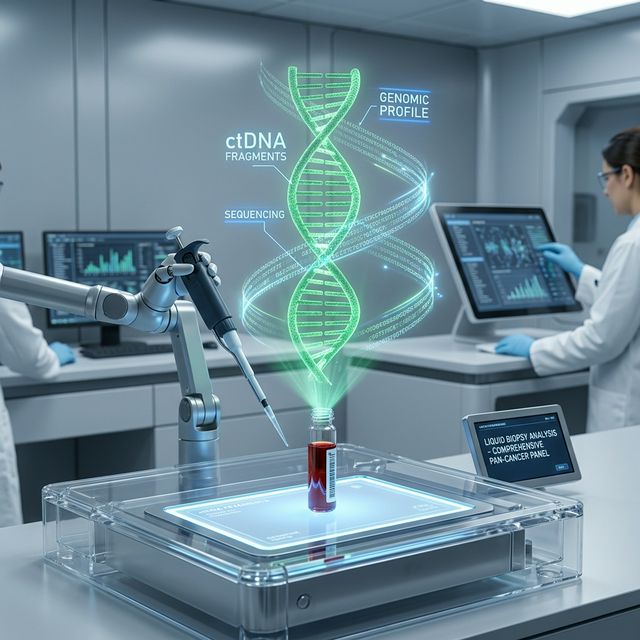
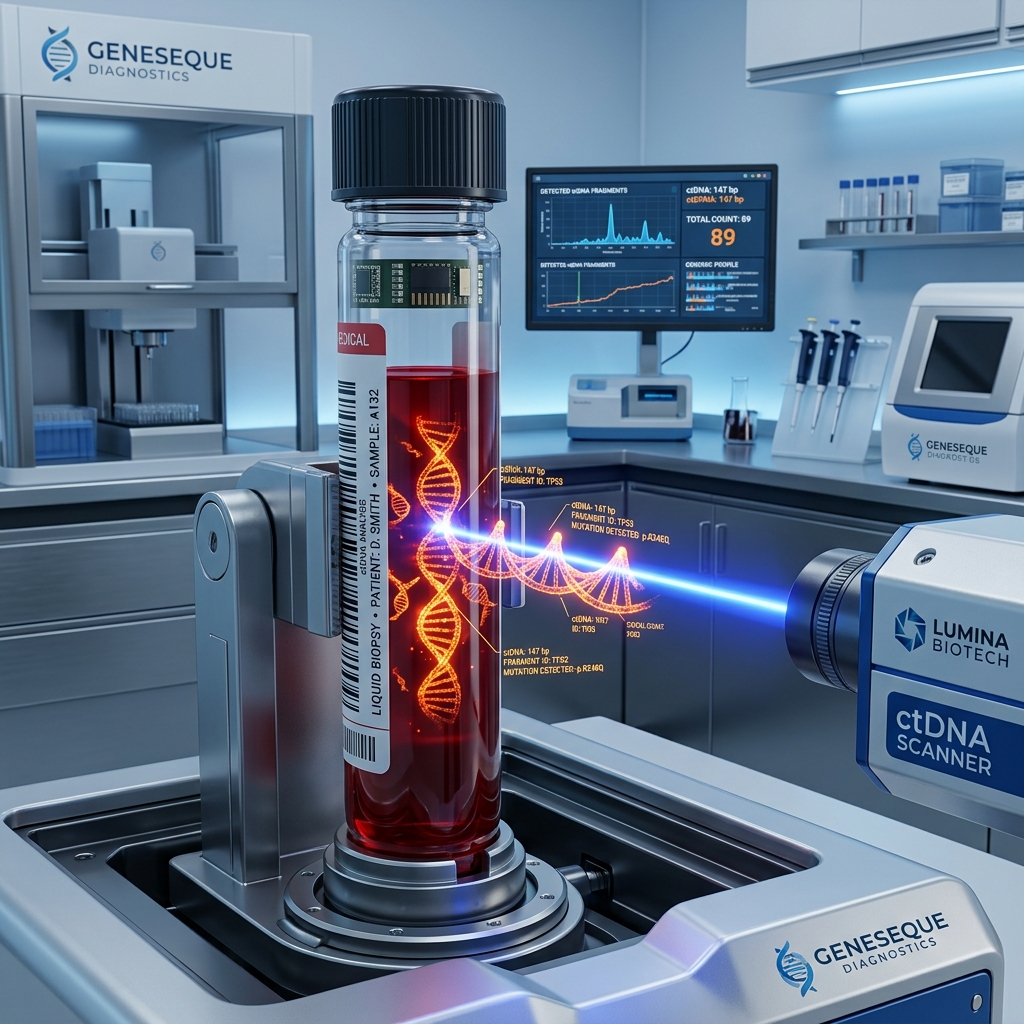
The landscape of oncology is being fundamentally reshaped by "Liquid Biopsy"—a simple blood test that can detect, analyze, and monitor cancer without the need for invasive tissue procedures. As of March 2026, this technology has moved from clinical research to a frontline diagnostic tool, offering patients a safer and more frequent way to track their treatment progress.
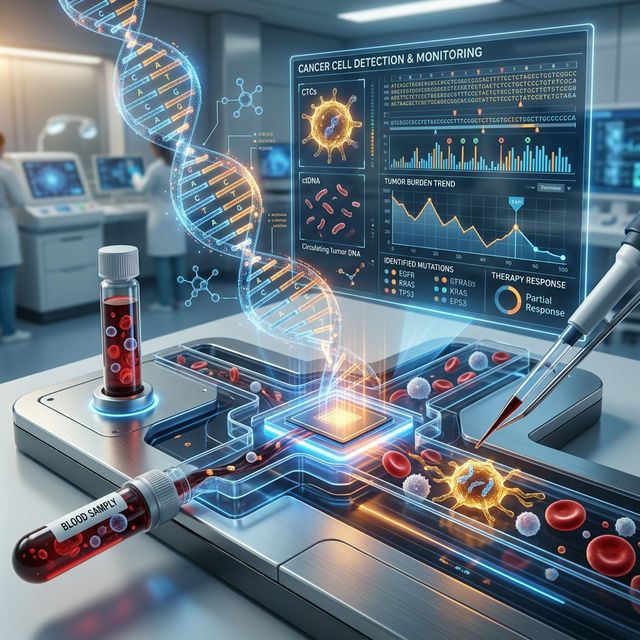
At Onco Medicine, we are witnessing a surge in demand for medications guided by liquid biopsy results. By detecting circulating tumor DNA (ctDNA) and circulating tumor cells (CTCs), clinicians can now adjust treatment protocols in real-time, often weeks before a tumor would show changes on a traditional CT or MRI scan.
The Science of Minimal Invasiveness
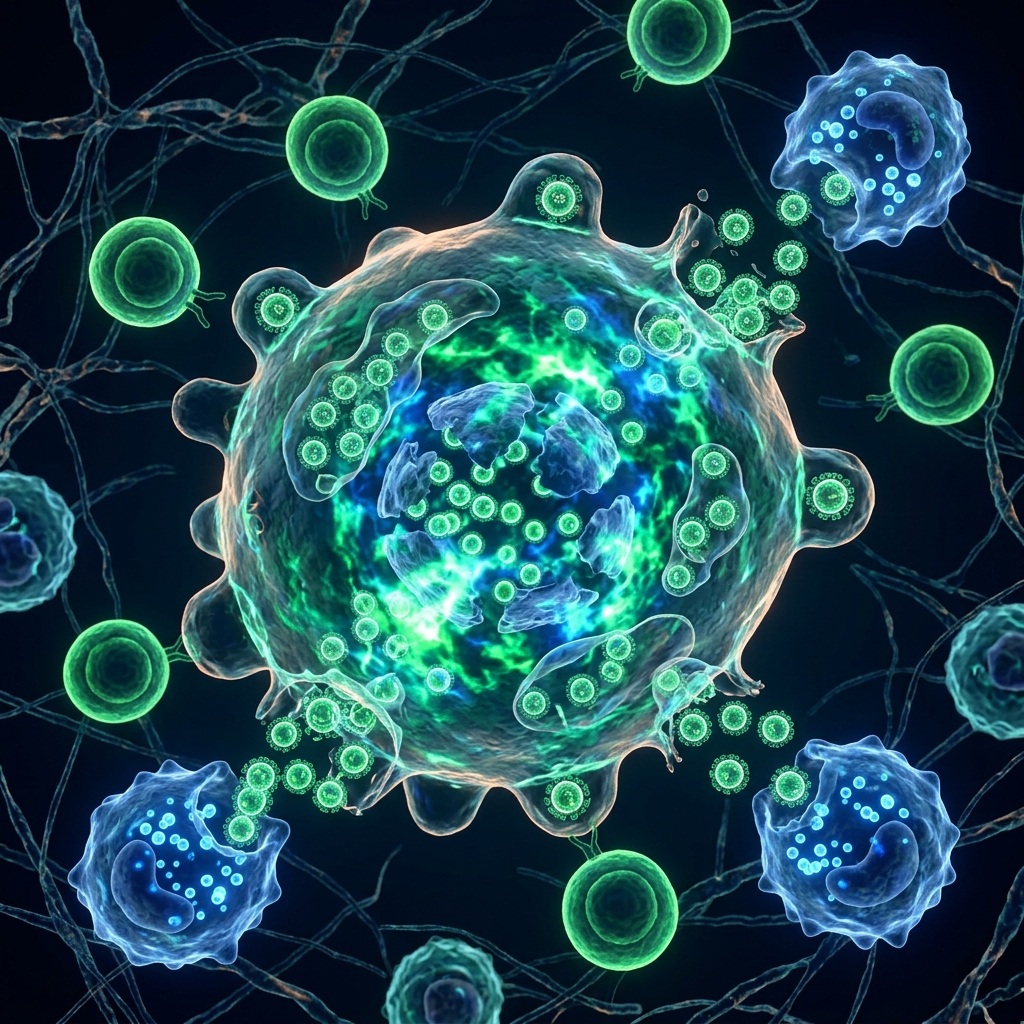
A liquid biopsy works by isolating fragments of genetic material that cancer cells shed into the bloodstream. In 2026, the sensitivity of these tests has reached a point where they can detect "Minimal Residual Disease" (MRD)—tiny amounts of cancer that might remain after surgery and could lead to recurrence if left untreated.
Key Breakthroughs in 2026
- Multi-Factorial Analysis: Modern tests analyze DNA, RNA, and protein markers simultaneously for a "360-degree" view of the tumor.
- Real-Time Resistance Detection: Identifying genetic mutations that make a cancer resistant to specific drugs, allowing doctors to switch to more effective therapies faster.
- Early Recurrence Warning: Detecting signs of cancer returning up to 8 months earlier than traditional imaging.
- Patient Comfort: Replacing painful tissue biopsies with a standard blood draw.
The future of cancer care is "dynamic." We no longer rely on static snapshots of a disease; we monitor its evolution in real-time. Onco Medicine is proud to support the clinicians and patients utilizing these breakthrough diagnostic tools to achieve better health outcomes.
Sources of Support: