A Practical Guide to Managing Chemotherapy Side Effects at Home
Author: Onco Medicine Patient Support Desk
Most chemotherapy side effects are manageable at home with the right preparation, and knowing what to expect - and what to do about it - can make treatment cycles considerably easier for both patients and caregivers. This guide covers the most common side effects and practical, day-to-day approaches to managing them, alongside clear guidance on when a symptom needs urgent medical attention rather than home management.

Nausea and Appetite Changes
- Take anti-nausea medication exactly as prescribed - proactively before nausea starts, not only after it begins, since most anti-emetics work far better as prevention than as treatment.
- Small, frequent meals are usually tolerated better than three large meals. Bland, room-temperature foods (crackers, toast, rice) are often easier to keep down than rich or strongly-scented meals.
- Ginger tea or ginger candies are a commonly used, low-risk option some patients find helpful alongside prescribed anti-emetics - discuss with your oncology team before adding any new supplement.
- Stay ahead of dehydration with small, frequent sips of water or an oral rehydration solution, especially if vomiting occurs.
Fatigue
- Chemotherapy-related fatigue is different from ordinary tiredness and does not always improve with rest alone. Short, light activity (a slow walk, gentle stretching) on better days can help maintain energy over the full treatment course, if your care team approves.
- Prioritize tasks and accept help - batching errands, meal prep, and childcare support around your treatment schedule reduces the load on low-energy days.
- Track your energy patterns across the cycle (many patients feel worst 3-5 days after infusion) so you and your caregivers can plan demanding tasks around your better days.
Mouth Sores and Taste Changes
- Use a soft-bristled toothbrush and a gentle, alcohol-free mouthwash; rinse with a saline or baking-soda solution several times a day if sores develop.
- Avoid acidic, spicy, or very hot foods while sores are present. Cold or room-temperature soft foods are usually better tolerated.
- Metallic or altered taste is common and temporary - some patients find plastic utensils or marinated/seasoned foods (within dietary limits) help mask the metallic taste.
Low Blood Counts and Infection Risk
- Chemotherapy can lower white blood cell counts, increasing infection risk. Practice frequent handwashing, avoid crowded indoor spaces during your lowest-count days (usually 7-14 days post-infusion), and ask visitors who are unwell to postpone.
- Check your temperature if you feel unwell - a fever during chemotherapy (typically 100.4°F/38°C or higher) is a medical emergency that requires immediate contact with your oncology team, not a "wait and see" symptom.
- Handle food safely: wash produce thoroughly, avoid unpasteurized products, and cook meat fully during periods of low immunity, per your care team's specific guidance.
Hair Loss and Skin Changes
- Not all chemotherapy regimens cause hair loss, but for those that do, some patients choose to cut hair short in advance to make the transition less abrupt; others use cold-cap therapy where available and appropriate.
- Skin can become dry or more sun-sensitive - fragrance-free moisturizer and daily sunscreen application help manage this during and after treatment.
When to Contact Your Oncology Team Immediately
Home management is appropriate for mild, expected side effects - but certain symptoms should never be managed at home alone. Contact your oncology team or seek emergency care right away for: a fever of 100.4°F (38°C) or higher, persistent vomiting or diarrhea preventing fluid intake, unusual bleeding or bruising, shortness of breath, chest pain, confusion, or any symptom your care team has specifically flagged as urgent for your regimen.
A Note From Onco Medicine
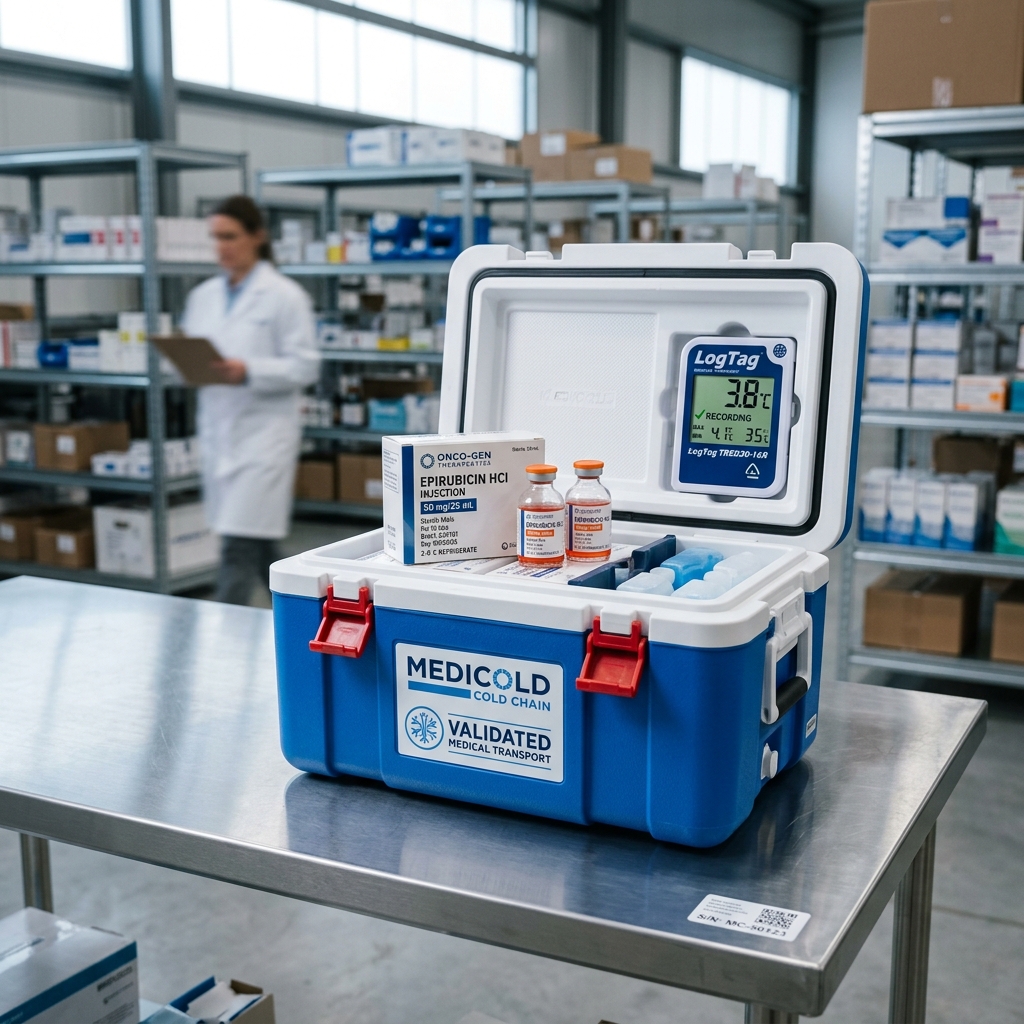
Onco Medicine supports patients and caregivers by making sure prescribed oncology medicines - and any supportive-care medications your team adds to manage side effects - arrive authentically sourced and on schedule, with cold-chain handling for temperature-sensitive medicines. Consistent, on-time access to your prescribed regimen is itself one of the most important factors in managing a treatment course smoothly.
Need help sourcing a supportive-care medication your oncology team has prescribed? Contact us at contactus@onco-medicine.com.
This article is for general educational purposes and is not a substitute for professional medical advice. Always follow your oncology team's specific guidance for your treatment regimen.