Pharmacist support 24/7

Navigating US Government Oncology Support 2026 A Guide to Federal Programs and Initiatives

Author: Dr. Robert Chen

As of April 15, 2026, the United States federal government has significantly expanded its support framework for oncology patients, clinicians, and researchers. From the evolution of the "Cancer Moonshot" initiative to critical updates in Medicare Part D, navigating these government schemes is essential for ensuring that patients receive the highest standard of care without undue financial burden.

At Onco Medicine, we track these federal developments to help our patients and partners leverage every available resource in the American healthcare ecosystem.
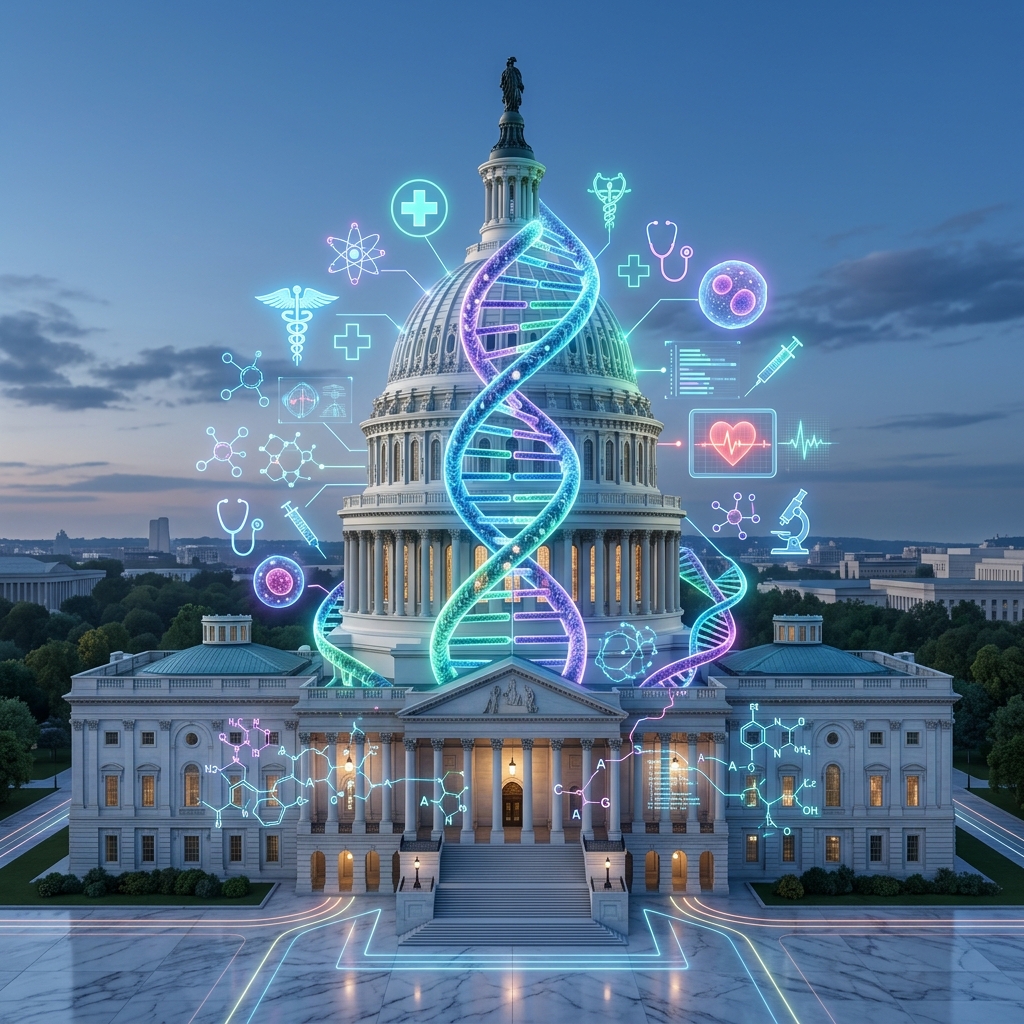
Aesthetic visualization of the US Capitol with medical DNA and healthcare symbols in 2026

The 2026 Medicare Part D Revolution

One of the most consequential changes for oncology patients in 2026 is the $2,000 annual out-of-pocket cap on prescription drugs for Medicare Part D beneficiaries. This major provision of the Inflation Reduction Act has fully matured this year, drastically reducing the cost of oral chemotherapy and targeted therapies which previously cost patients thousands of dollars per month. This "smoothing" of costs allows for more consistent treatment adherence and better clinical outcomes.

Key Federal Oncology Programs in 2026

  • Cancer Moonshot 2.0 - Genomic Equity: The White House's flagship initiative now focuses on "Genomic Equity," providing federal grants to local hospitals to ensure that advanced molecular sequencing is available to all patients, regardless of their zip code.
  • National Cancer Institute (NCI) Community Oncology Research: The NCI has expanded its community-based clinical trial networks, allowing patients in rural areas to access the latest experimental treatments through federally funded local clinics.
  • HRSA Health Center Oncology Grants: New funding for Health Resources and Services Administration (HRSA) centers is specifically earmarked for oncology screenings and early detection in underserved populations.
  • The PACE Initiative: Programs of All-Inclusive Care for the Elderly (PACE) have integrated specialized oncology nursing services, providing a government-supported "wrap-around" care model for senior patients.

How to Access Federal Support

Accessing these programs often requires detailed documentation and proactive coordination between your medical team and social services. At Onco Medicine, we recommend the following steps for US-based patients:

2026 Resource Checklist: Federal Support Active

  • Medicare Consultation: Review your 2026 plan to ensure you are leveraged for the $2,000 out-of-pocket cap.
  • NCI Clinical Trial Matcher: Use federal databases to find government-funded trials active in your region.
  • State-Level Wraparound: Many federal funds are administered at the state level; check your state’s Department of Health for additional oncology travel and housing grants.

Government support is a pillar of modern oncology. By remaining informed about these federal schemes, we can collective work toward the goal of ending cancer as we know it. Onco Medicine is proud to be your guide in this complex but rewarding system of healthcare support.

Global Health

Navigating US Government Oncology Support 2026 A Guide to Federal Programs and Initiatives

D
Dr. Robert Chen
April 15, 2026
Navigating US Government Oncology Support 2026 A Guide to Federal Programs and Initiatives
Onco Medicine

At a glance

Evidence-informed overview from Onco Medicine. Key themes in this article:

  • Clinically reviewed framing
  • Safety & protocol awareness
  • Patient-relevant takeaways

Prefer to chat on WhatsApp?

Message our pharmacy team directly about this treatment — we reply with product details, sourcing, and next steps.

Chat on WhatsApp

As of April 15, 2026, the United States federal government has significantly expanded its support framework for oncology patients, clinicians, and researchers. From the evolution of the "Cancer Moonshot" initiative to critical updates in Medicare Part D, navigating these government schemes is essential for ensuring that patients receive the highest standard of care without undue financial burden.

At Onco Medicine, we track these federal developments to help our patients and partners leverage every available resource in the American healthcare ecosystem.

Aesthetic visualization of the US Capitol with medical DNA and healthcare symbols in 2026

The 2026 Medicare Part D Revolution

One of the most consequential changes for oncology patients in 2026 is the $2,000 annual out-of-pocket cap on prescription drugs for Medicare Part D beneficiaries. This major provision of the Inflation Reduction Act has fully matured this year, drastically reducing the cost of oral chemotherapy and targeted therapies which previously cost patients thousands of dollars per month. This "smoothing" of costs allows for more consistent treatment adherence and better clinical outcomes.

Key Federal Oncology Programs in 2026

  • Cancer Moonshot 2.0 - Genomic Equity: The White House's flagship initiative now focuses on "Genomic Equity," providing federal grants to local hospitals to ensure that advanced molecular sequencing is available to all patients, regardless of their zip code.
  • National Cancer Institute (NCI) Community Oncology Research: The NCI has expanded its community-based clinical trial networks, allowing patients in rural areas to access the latest experimental treatments through federally funded local clinics.
  • HRSA Health Center Oncology Grants: New funding for Health Resources and Services Administration (HRSA) centers is specifically earmarked for oncology screenings and early detection in underserved populations.
  • The PACE Initiative: Programs of All-Inclusive Care for the Elderly (PACE) have integrated specialized oncology nursing services, providing a government-supported "wrap-around" care model for senior patients.

How to Access Federal Support

Accessing these programs often requires detailed documentation and proactive coordination between your medical team and social services. At Onco Medicine, we recommend the following steps for US-based patients:

2026 Resource Checklist: Federal Support Active

  • Medicare Consultation: Review your 2026 plan to ensure you are leveraged for the $2,000 out-of-pocket cap.
  • NCI Clinical Trial Matcher: Use federal databases to find government-funded trials active in your region.
  • State-Level Wraparound: Many federal funds are administered at the state level; check your state’s Department of Health for additional oncology travel and housing grants.

Government support is a pillar of modern oncology. By remaining informed about these federal schemes, we can collective work toward the goal of ending cancer as we know it. Onco Medicine is proud to be your guide in this complex but rewarding system of healthcare support.


D

Dr. Robert Chen

Dr. Robert Chen is a specialist in precision diagnostics and a consultant on healthcare policy and federal medical assistance programs.

Continue your care journey

This article is for general education. For medicine availability, prescriptions, and orders, use our catalog and pharmacy team.

Chat on WhatsAppBrowse catalogTreatmentsContact pharmacistsUpload prescription

Related Articles

World Health Day 2026 The Global Push for Universal Oncology Access

Global Health

World Health Day 2026 The Global Push for Universal Oncology Access

Read Article

Found this helpful?