Patient Derived Organoids for High Throughput Ex Vivo Screening The 2026 Standard
Author: Dr. Elena Vance
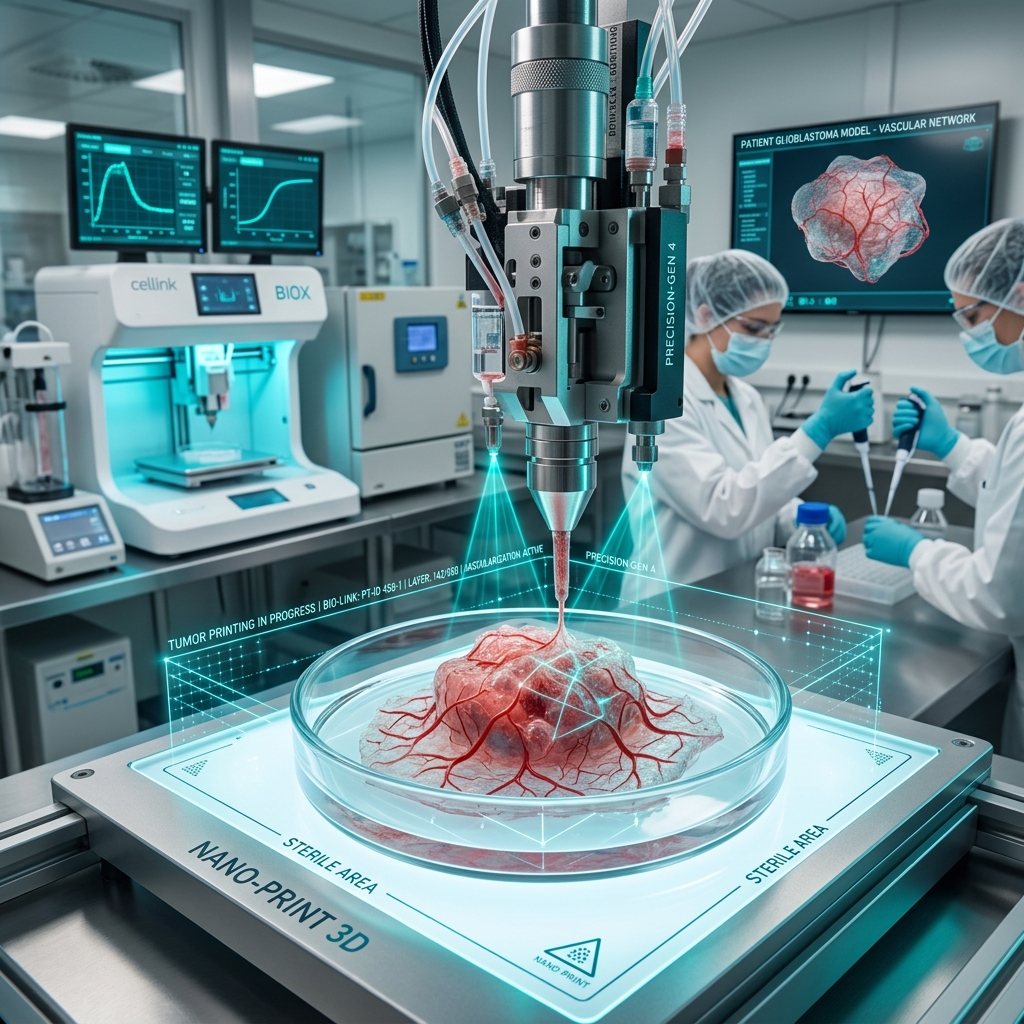
By May 28, 2026, the clinical application of Patient-Derived Organoids (PDOs) has transitioned from research labs to the standard of care for predicting chemotherapy response. Organoids are three-dimensional, miniaturized versions of a patient’s own organs or tumors grown in vitro, preserving the genetic and phenotypic traits of the original tissue.
At Onco Medicine, we recognize the vital role that ex vivo functional testing plays in selecting cancer therapies. By testing standard-of-care and novel drug candidates on patient-specific organoids first, oncologists can make data-driven decisions that improve survival outcomes.

The Rise of Organoid-Guided Oncology
- Predictive Accuracy: Large-scale clinical trials in 2026 demonstrate that PDOs have a positive predictive value of over 85% in determining drug resistance, sparing patients from ineffective and toxic chemotherapy cycles.
- High-Throughput Assays: Robotic platforms can now screen hundreds of drug combinations against a single patient’s organoids, generating comprehensive sensitivity reports in less than ten days.
- Co-Clinical Trials: Culturing patient organoids concurrently with their clinical treatment allows for real-time monitoring of resistance patterns and proactive adaptation of therapeutic regimens.
Personalized medicine requires direct, biological verification. The integration of patient-derived organoids into the diagnostic workflow represents a major leap forward, ensuring that the right patient receives the right drug at the correct dose. Onco Medicine is proud to supply the specialized oncology portfolio required to execute these precision protocols.