Quantum Computing in Molecular Modeling The 2026 Breakthroughs
Author: Dr. James Nakamura
By June 19, 2026, quantum computing integration has successfully mapped complex protein-ligand interactions for previously undruggable oncology targets. Traditional classical supercomputers often struggle to simulate the quantum mechanical behaviors of large molecular structures. Quantum algorithms are now reducing drug-discovery modeling timelines from years to days.
At Onco Medicine, we recognize the potential of computational chemistry. By facilitating immediate access to the clinical formulations derived from these quantum-designed pipelines, we support oncology networks in delivering cutting-edge therapies.

Quantum Chemistry Milestones in 2026
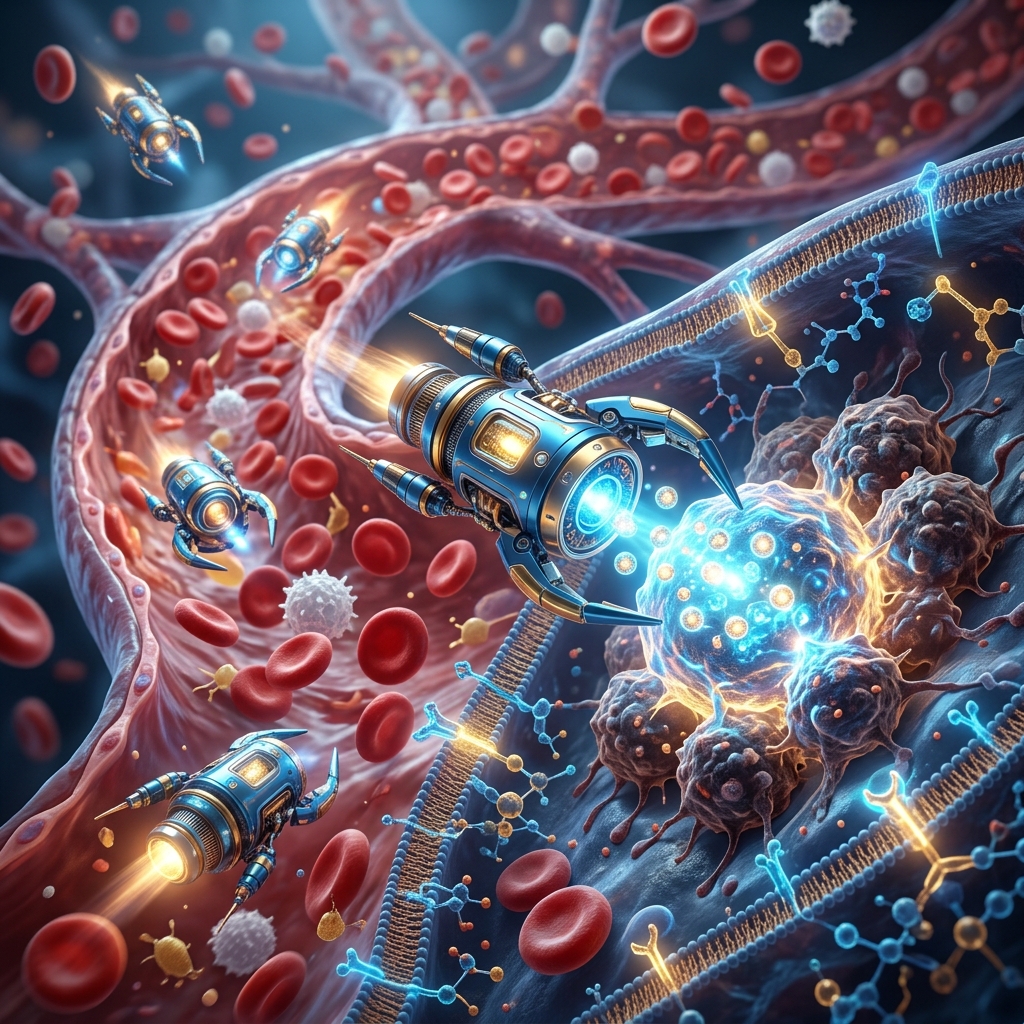
- Mapping KRAS G12D Interactions: Quantum simulation has mapped the electronic transition states of KRAS G12D inhibitors, allowing for the design of compounds with 10-fold higher binding affinities.
- Simulating Electron Tunneling: Modeling electronic tunneling within mitochondrial enzymes has unlocked new pathways to trigger selective apoptosis in cancer cells.
- Optimizing Solvation Energies: Accurate calculation of how candidate drug molecules interact with water molecules has drastically reduced toxic off-target side effects in preclinical screens.
Computing the future of drug design is a quantum reality. The emergence of quantum-modeled drug pipelines is transforming precision oncology, ensuring that candidates entering clinical trials have a significantly higher probability of success. Onco Medicine is proud to connect clinics with these advanced, rationally designed therapies.