Pharmacist support 24/7

Saliva Based Oral Cancer Screening Test Receives FDA Breakthrough Device Designation

Author: Dr. Priya Sharma

Early detection remains one of the most effective ways to improve survival rates in cancer patients. A revolutionary saliva-based oral cancer screening test has received Breakthrough Device Designation from the U.S. Food and Drug Administration (FDA), marking a historic milestone in non-invasive cancer diagnostics and precision medicine.

Developed by ErlySign, this cutting-edge technology uses saliva samples to identify early molecular signals associated with oral cancer. This innovative approach may simplify screening procedures and dramatically improve access to early detection for patients worldwide — transforming the future of oral oncology.

saliva-based oral cancer screening test molecular diagnostics

Understanding Oral Cancer and the Importance of Early Screening

Oral cancer is a serious global health concern affecting hundreds of thousands of individuals each year. According to the World Health Organization (WHO), oral cancers account for nearly 3% of all cancer diagnoses globally. Unfortunately, many cases of oral cancer are diagnosed at advanced stages because early symptoms — such as persistent mouth sores, unexplained bleeding, or difficulty swallowing — are often subtle or overlooked by patients and healthcare providers alike.
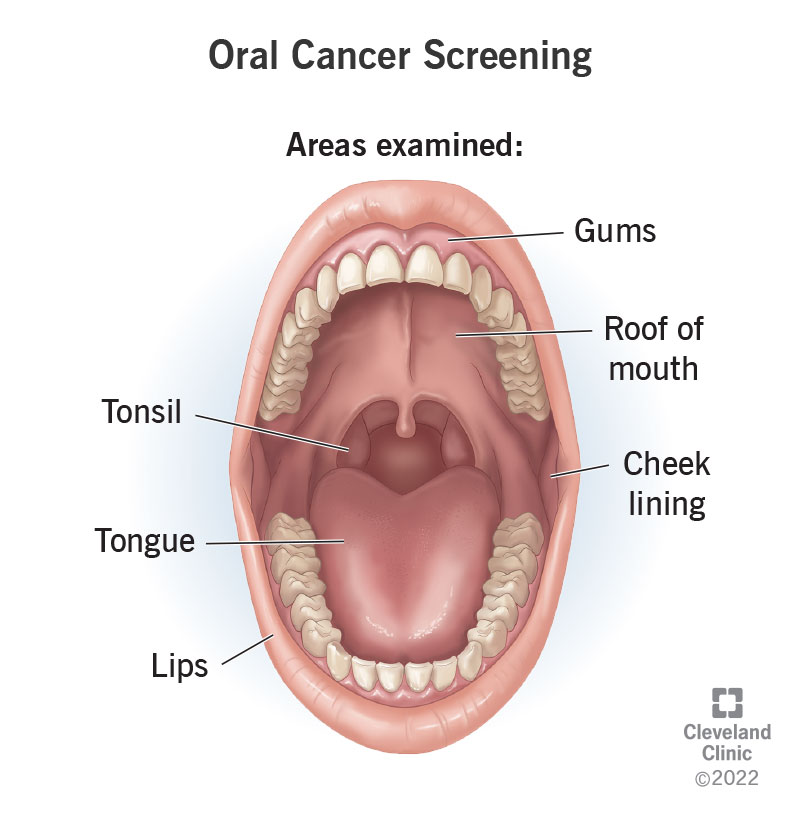
oral cancer screening examination early detection

Regular screening is crucial because:

  • Early detection greatly improves 5-year survival rates — from less than 40% in late-stage to over 80% in early-stage oral cancer
  • Treatment becomes less invasive — reducing the need for extensive surgery, radiation, or chemotherapy
  • Patients experience better long-term outcomes — including improved quality of life, fewer side effects, and faster recovery
  • Healthcare costs are significantly reduced — early intervention prevents costly ICU stays and advanced treatment protocols

Improved screening tools like saliva-based diagnostics can help healthcare professionals identify oral cancer at earlier, more treatable stages — ultimately saving lives and reducing the global cancer burden.

What Is the FDA Breakthrough Device Designation?

The Breakthrough Device Program by the U.S. Food and Drug Administration is specifically designed to accelerate the development and regulatory review of innovative medical technologies that may provide major improvements in diagnosing or treating life-threatening or irreversibly debilitating diseases.

FDA breakthrough device designation building headquarters

Devices that receive this prestigious designation benefit from:

  • Priority regulatory review — faster FDA evaluation and approval timelines
  • Faster development timelines — streamlined clinical trial requirements
  • Increased collaboration with regulators — direct communication with FDA experts during development
  • Earlier patient access to innovative, potentially life-saving technologies

This program has been instrumental in bringing promising medical innovations — including advanced cancer diagnostics, AI-powered imaging, and molecular testing platforms — to patients more quickly than traditional regulatory pathways.

How the Saliva-Based Oral Cancer Screening Test Works

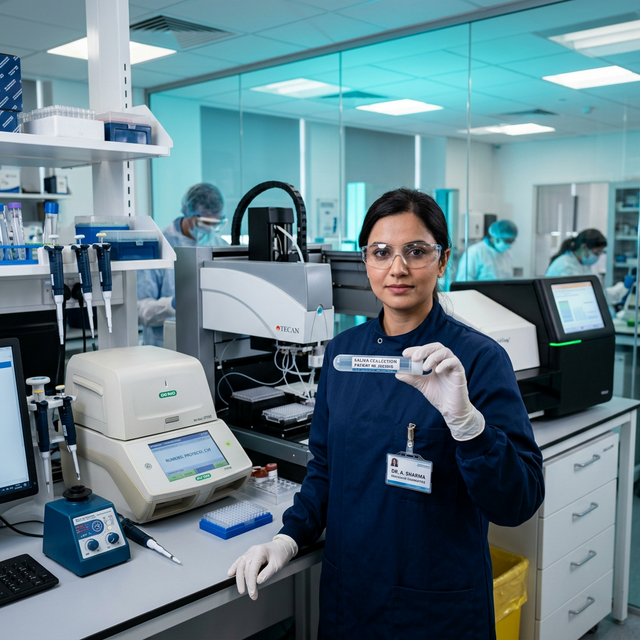
Unlike traditional screening methods that may require invasive tissue biopsy, the new saliva-based diagnostic technology analyzes biomarkers present in saliva — making the screening process painless, fast, and accessible.

saliva collection tube non-invasive cancer testing

Saliva contains critical biological indicators such as:

  • Cell-free DNA (cfDNA) fragments — genetic material shed by cancer cells
  • MicroRNA molecules — small RNA sequences that regulate gene expression and signal disease
  • Proteins and metabolites associated with tumor development and progression
  • Exosomes — tiny vesicles carrying molecular signatures of disease

By studying these biomarkers using advanced molecular diagnostics and machine learning algorithms, scientists can detect early molecular changes linked to oral cancer — sometimes even before visible symptoms appear, enabling truly preventive oncology.

Key Advantages of Saliva-Based Cancer Screening

Saliva-based screening provides several transformative advantages over conventional diagnostic methods:

advantages non-invasive saliva cancer screening
  1. Non-invasive testing — No surgical biopsy, needle aspiration, or tissue extraction required. A simple saliva sample is all that's needed.
  2. Faster screening results — Advanced molecular analysis enables quicker turnaround times, supporting rapid clinical decisions.
  3. Improved healthcare accessibility — Can potentially be deployed in dental clinics, primary care settings, rural health centers, and even pharmacies.
  4. Better patient compliance — The simplicity and painlessness of saliva testing encourages more people to undergo regular screening.
  5. Cost-effective — Reduced laboratory processing costs compared to traditional biopsy and histopathology methods.
  6. Scalable for global use — Ideal for population-level screening programs in both developed and developing nations.

The Growing Role of Liquid Biopsy in Cancer Detection

Saliva-based diagnostics are part of the rapidly expanding field of liquid biopsy, which analyzes biological fluids — including blood, saliva, urine, and cerebrospinal fluid — to detect disease-related biomarkers without invasive procedures.
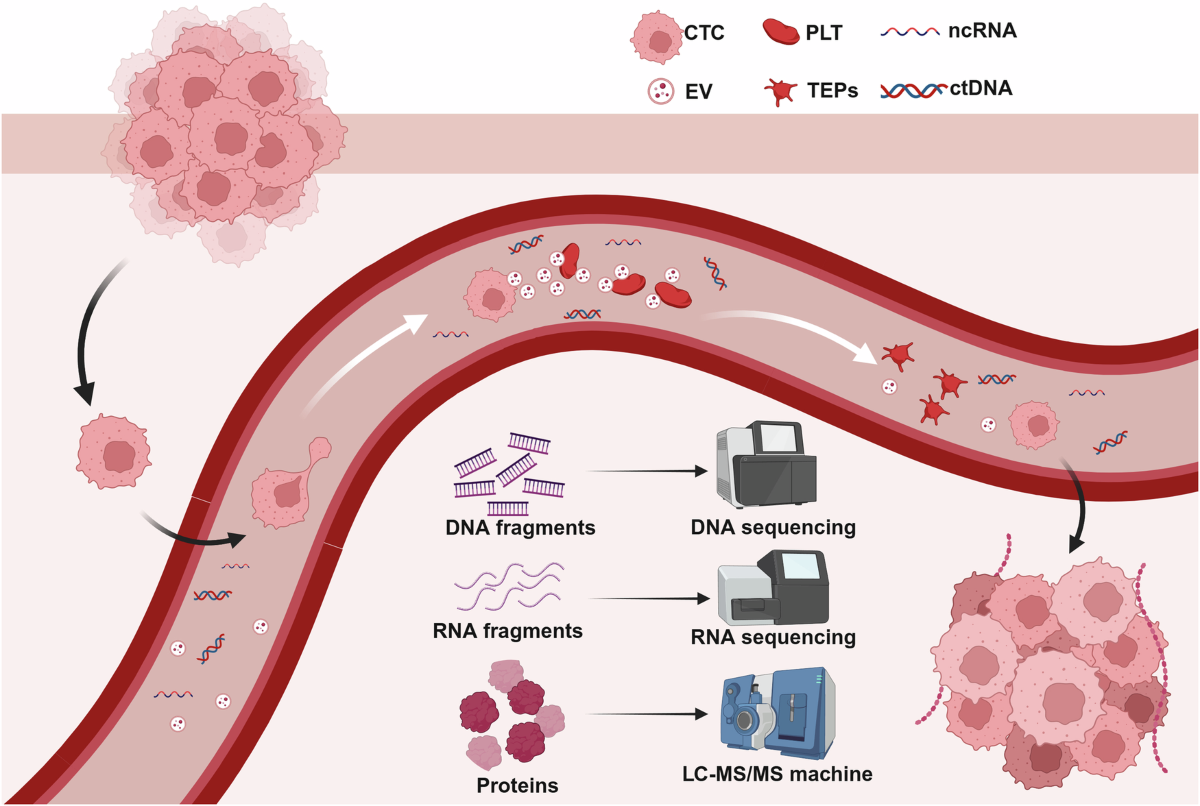
liquid biopsy cancer detection biomarker analysis

Liquid biopsy technologies are being actively explored for:

  • Early cancer detection — identifying tumors at Stage I before clinical symptoms emerge
  • Monitoring treatment effectiveness — tracking how patients respond to chemotherapy, immunotherapy, or targeted therapy
  • Detecting cancer recurrence — identifying molecular warning signs of tumor relapse after treatment
  • Supporting personalized medicine strategies — tailoring treatment protocols based on individual biomarker profiles

These innovations, including saliva-based cancer screening, are expected to fundamentally transform how cancer is diagnosed, monitored, and managed across the entire oncology care continuum.

Future Impact on Global Healthcare and Precision Medicine

The development of saliva-based screening technologies reflects the broader paradigm shift toward precision medicine, preventive healthcare, and patient-centered diagnostics. As research progresses and clinical validation studies are completed, such diagnostic tools could:
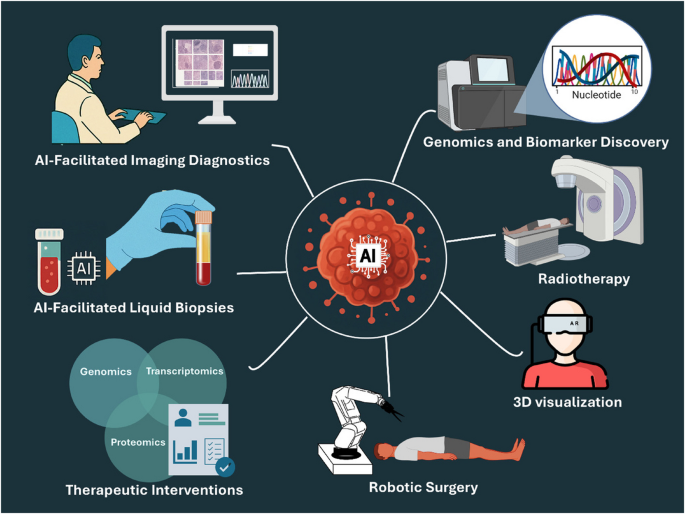
future precision medicine cancer diagnostics global healthcare
  • Dramatically reduce late-stage cancer diagnoses worldwide
  • Improve survival outcomes for millions of patients globally
  • Enable mass population screening programs in underserved communities
  • Accelerate the integration of AI and machine learning into clinical diagnostics

Conclusion

The FDA Breakthrough Device Designation for ErlySign's saliva-based oral cancer screening test represents a monumental advancement in cancer diagnostics. By leveraging non-invasive saliva biomarker analysis, this technology has the potential to revolutionize how oral cancer is detected, making early screening accessible, affordable, and painless for patients worldwide. As the field of liquid biopsy continues to evolve, saliva-based diagnostics will play an increasingly critical role in the global fight against cancer.

Sources of Support and Information:
Oral Cancer Screening

Saliva Based Oral Cancer Screening Test Receives FDA Breakthrough Device Designation

D
Dr. Priya Sharma
March 9, 2026
Saliva Based Oral Cancer Screening Test Receives FDA Breakthrough Device Designation
Onco Medicine

At a glance

Evidence-informed overview from Onco Medicine. Key themes in this article:

  • Clinically reviewed framing
  • Safety & protocol awareness
  • Patient-relevant takeaways

Prefer to chat on WhatsApp?

Message our pharmacy team directly about this treatment — we reply with product details, sourcing, and next steps.

Chat on WhatsApp

Early detection remains one of the most effective ways to improve survival rates in cancer patients. A revolutionary saliva-based oral cancer screening test has received Breakthrough Device Designation from the U.S. Food and Drug Administration (FDA), marking a historic milestone in non-invasive cancer diagnostics and precision medicine.

Developed by ErlySign, this cutting-edge technology uses saliva samples to identify early molecular signals associated with oral cancer. This innovative approach may simplify screening procedures and dramatically improve access to early detection for patients worldwide — transforming the future of oral oncology.

saliva-based oral cancer screening test molecular diagnostics

Understanding Oral Cancer and the Importance of Early Screening

Oral cancer is a serious global health concern affecting hundreds of thousands of individuals each year. According to the World Health Organization (WHO), oral cancers account for nearly 3% of all cancer diagnoses globally. Unfortunately, many cases of oral cancer are diagnosed at advanced stages because early symptoms — such as persistent mouth sores, unexplained bleeding, or difficulty swallowing — are often subtle or overlooked by patients and healthcare providers alike.

oral cancer screening examination early detection

Regular screening is crucial because:

  • Early detection greatly improves 5-year survival rates — from less than 40% in late-stage to over 80% in early-stage oral cancer
  • Treatment becomes less invasive — reducing the need for extensive surgery, radiation, or chemotherapy
  • Patients experience better long-term outcomes — including improved quality of life, fewer side effects, and faster recovery
  • Healthcare costs are significantly reduced — early intervention prevents costly ICU stays and advanced treatment protocols

Improved screening tools like saliva-based diagnostics can help healthcare professionals identify oral cancer at earlier, more treatable stages — ultimately saving lives and reducing the global cancer burden.

What Is the FDA Breakthrough Device Designation?

The Breakthrough Device Program by the U.S. Food and Drug Administration is specifically designed to accelerate the development and regulatory review of innovative medical technologies that may provide major improvements in diagnosing or treating life-threatening or irreversibly debilitating diseases.

FDA breakthrough device designation building headquarters

Devices that receive this prestigious designation benefit from:

  • Priority regulatory review — faster FDA evaluation and approval timelines
  • Faster development timelines — streamlined clinical trial requirements
  • Increased collaboration with regulators — direct communication with FDA experts during development
  • Earlier patient access to innovative, potentially life-saving technologies

This program has been instrumental in bringing promising medical innovations — including advanced cancer diagnostics, AI-powered imaging, and molecular testing platforms — to patients more quickly than traditional regulatory pathways.

How the Saliva-Based Oral Cancer Screening Test Works

Unlike traditional screening methods that may require invasive tissue biopsy, the new saliva-based diagnostic technology analyzes biomarkers present in saliva — making the screening process painless, fast, and accessible.

saliva collection tube non-invasive cancer testing

Saliva contains critical biological indicators such as:

  • Cell-free DNA (cfDNA) fragments — genetic material shed by cancer cells
  • MicroRNA molecules — small RNA sequences that regulate gene expression and signal disease
  • Proteins and metabolites associated with tumor development and progression
  • Exosomes — tiny vesicles carrying molecular signatures of disease

By studying these biomarkers using advanced molecular diagnostics and machine learning algorithms, scientists can detect early molecular changes linked to oral cancer — sometimes even before visible symptoms appear, enabling truly preventive oncology.

Key Advantages of Saliva-Based Cancer Screening

Saliva-based screening provides several transformative advantages over conventional diagnostic methods:

advantages non-invasive saliva cancer screening
  1. Non-invasive testing — No surgical biopsy, needle aspiration, or tissue extraction required. A simple saliva sample is all that's needed.
  2. Faster screening results — Advanced molecular analysis enables quicker turnaround times, supporting rapid clinical decisions.
  3. Improved healthcare accessibility — Can potentially be deployed in dental clinics, primary care settings, rural health centers, and even pharmacies.
  4. Better patient compliance — The simplicity and painlessness of saliva testing encourages more people to undergo regular screening.
  5. Cost-effective — Reduced laboratory processing costs compared to traditional biopsy and histopathology methods.
  6. Scalable for global use — Ideal for population-level screening programs in both developed and developing nations.

The Growing Role of Liquid Biopsy in Cancer Detection

Saliva-based diagnostics are part of the rapidly expanding field of liquid biopsy, which analyzes biological fluids — including blood, saliva, urine, and cerebrospinal fluid — to detect disease-related biomarkers without invasive procedures.

liquid biopsy cancer detection biomarker analysis

Liquid biopsy technologies are being actively explored for:

  • Early cancer detection — identifying tumors at Stage I before clinical symptoms emerge
  • Monitoring treatment effectiveness — tracking how patients respond to chemotherapy, immunotherapy, or targeted therapy
  • Detecting cancer recurrence — identifying molecular warning signs of tumor relapse after treatment
  • Supporting personalized medicine strategies — tailoring treatment protocols based on individual biomarker profiles

These innovations, including saliva-based cancer screening, are expected to fundamentally transform how cancer is diagnosed, monitored, and managed across the entire oncology care continuum.

Future Impact on Global Healthcare and Precision Medicine

The development of saliva-based screening technologies reflects the broader paradigm shift toward precision medicine, preventive healthcare, and patient-centered diagnostics. As research progresses and clinical validation studies are completed, such diagnostic tools could:

future precision medicine cancer diagnostics global healthcare
  • Dramatically reduce late-stage cancer diagnoses worldwide
  • Improve survival outcomes for millions of patients globally
  • Enable mass population screening programs in underserved communities
  • Accelerate the integration of AI and machine learning into clinical diagnostics

Conclusion

The FDA Breakthrough Device Designation for ErlySign's saliva-based oral cancer screening test represents a monumental advancement in cancer diagnostics. By leveraging non-invasive saliva biomarker analysis, this technology has the potential to revolutionize how oral cancer is detected, making early screening accessible, affordable, and painless for patients worldwide. As the field of liquid biopsy continues to evolve, saliva-based diagnostics will play an increasingly critical role in the global fight against cancer.

Sources of Support and Information:

D

Dr. Priya Sharma

Dr. Priya Sharma is a molecular oncologist and cancer diagnostics researcher specializing in non-invasive biomarker testing, liquid biopsy technologies, and precision medicine for oral and head-neck cancers.

Continue your care journey

This article is for general education. For medicine availability, prescriptions, and orders, use our catalog and pharmacy team.

Chat on WhatsAppBrowse catalogTreatmentsContact pharmacistsUpload prescription

Related Articles

Enhertu Trastuzumab Deruxtecan 100mg ADC Breakthrough HER2 Positive and HER2 Low Metastatic Cancer Clinical Review 2026

Oncology

Enhertu Trastuzumab Deruxtecan 100mg ADC Breakthrough HER2 Positive and HER2 Low Metastatic Cancer Clinical Review 2026

Read Article

Found this helpful?