Shipping Medicine from India to USA Rules and Requirements 2026
Author: Onco MedicineRegulatory Team
On July 27, 2026, international healthcare regulatory bodies released updated compliances regarding the personal importation of essential medicines from India to the United States. Navigating access to lifesaving therapies under strict US FDA guidelines and customs rules is critical for patients, caregivers, and medical centers.
At Onco Medicine, we specialize in verified international courier routes, handling all customs clearance documentation, KYC verification, and cold-chain monitoring. This guide explains how to legally and safely ship a 90-day personal supply of prescription drugs from India to the USA under current 2026 rules.
Core Sourcing Rules & Personal Importation Allowance
- 90-Day Personal Supply Limit: The US FDA allows individuals to import a maximum of a 90-day supply of prescription medication for personal use only. Commercial importation or resale is strictly prohibited.
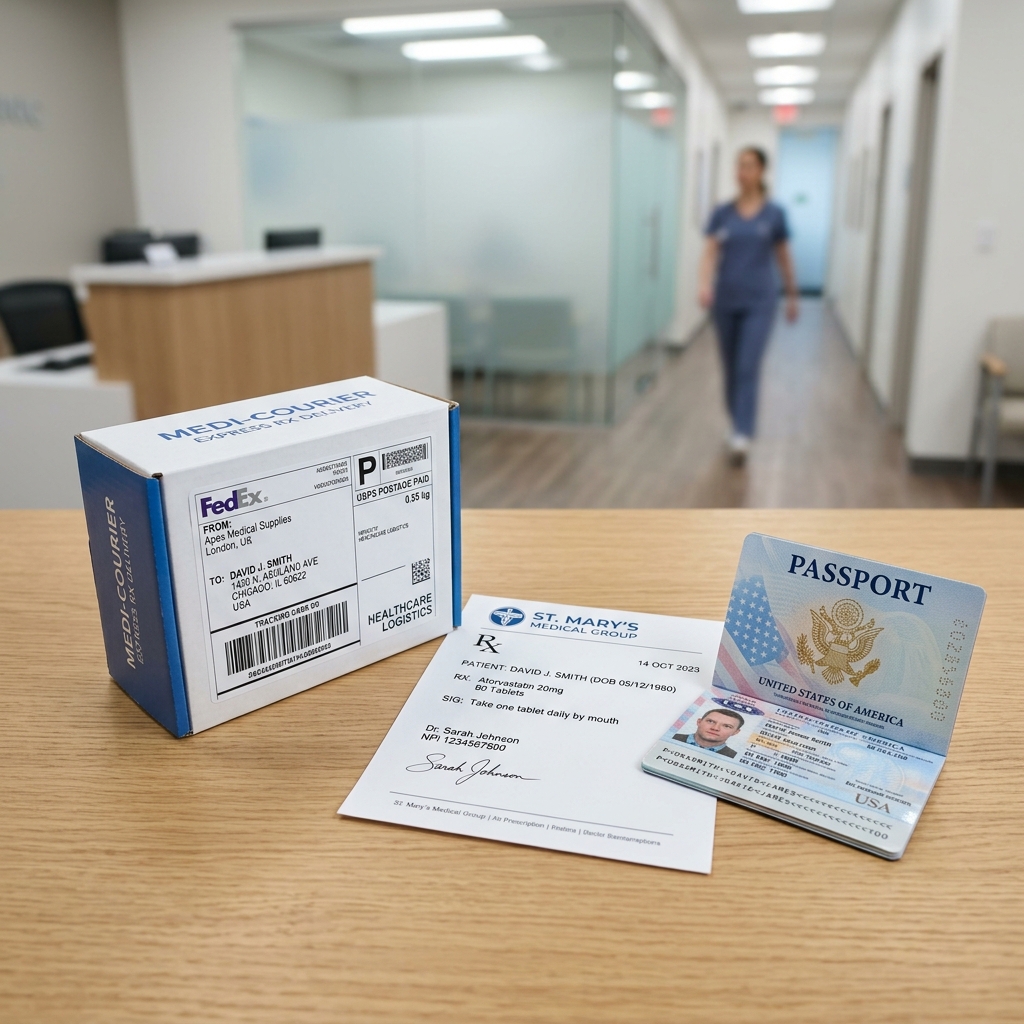
- Mandatory Original Doctor's Prescription: All medicine shipments must be accompanied by an original, valid doctor's prescription written in English. The document must contain the patient's exact details, diagnosis, clear dosage instructions, and the doctor's registration credentials.
- No Narcotics or Controlled Substances: Under DEA and FDA rules, narcotics, psychotropic drugs, injectables subject to abuse, and scheduled substances cannot be shipped via personal mail or courier. Only non-controlled, specialty therapeutics are permitted.
2026 De Minimis Custom Rules & Inspection Changes
Previously, low-value shipments under a certain threshold enjoyed simplified customs entry (known as de minimis rules). In 2026, regulatory changes have removed de minimis exemptions for medical parcels. This means every single package containing medicine now undergoes full, hands-on customs inspection by US Customs and Border Protection (CBP) and FDA inspectors at the port of entry.
To avoid seizure or delays, all documentation must be 100% accurate, complete, and displayed on the exterior of the package in a document pouch.
Carrier Logistics & Required Documentation
- Carrier Restrictions: DHL and UPS are the primary authorized carriers for these specialized routes. Standard postal services and FedEx frequently decline medicine shipments due to strict regulatory review.
- Commercial Invoice / Purchase Bill: A complete commercial invoice showing the sender, receiver, batch numbers, manufacture and expiry dates, and the exact purchase value must be included.
- KYC / Identity Verification: Government-issued ID (Passport, Aadhaar Card, or Driver's License) for both the sender in India and the receiver in the US is mandatory to clear international custom controls.
- Quantity Check: Always check tablet counts and dosages before packaging to ensure compliance with the 90-day limit.
If you need to ship specialty medicines, please fill out our check-allowance form below or contact our logistics support desk to verify compliance before dispatching your package.