Pharmacist support 24/7

Synthetic Lethality Beyond PARP Expanding the DNA Damage Response DDR Arsenal

Author: Dr. Elena Vance

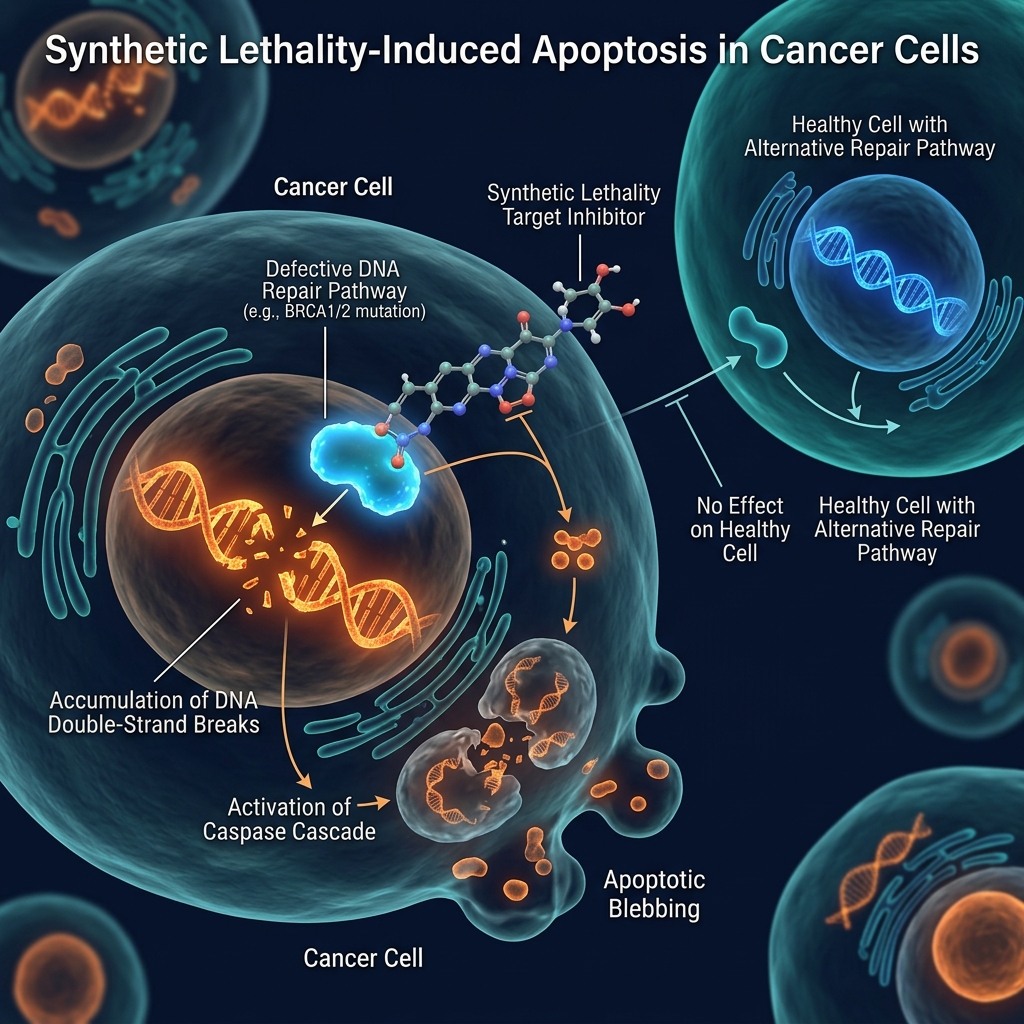
By mid-May 2026, the concept of Synthetic Lethality has expanded far beyond the initial successes of PARP inhibitors. Synthetic lethality occurs when a mutation in one gene is tolerable for a cell, but mutations in two specific genes cause the cell to die. For cancer cells that already have one mutated DNA repair gene (like BRCA), inhibiting a second repair pathway is fatal.

At Onco Medicine, we are accelerating the delivery of the next generation of DNA Damage Response (DDR) inhibitors. These 2026 targeted therapies exploit the inherent vulnerabilities of tumor cells while leaving healthy, DNA-repair-proficient cells unharmed.
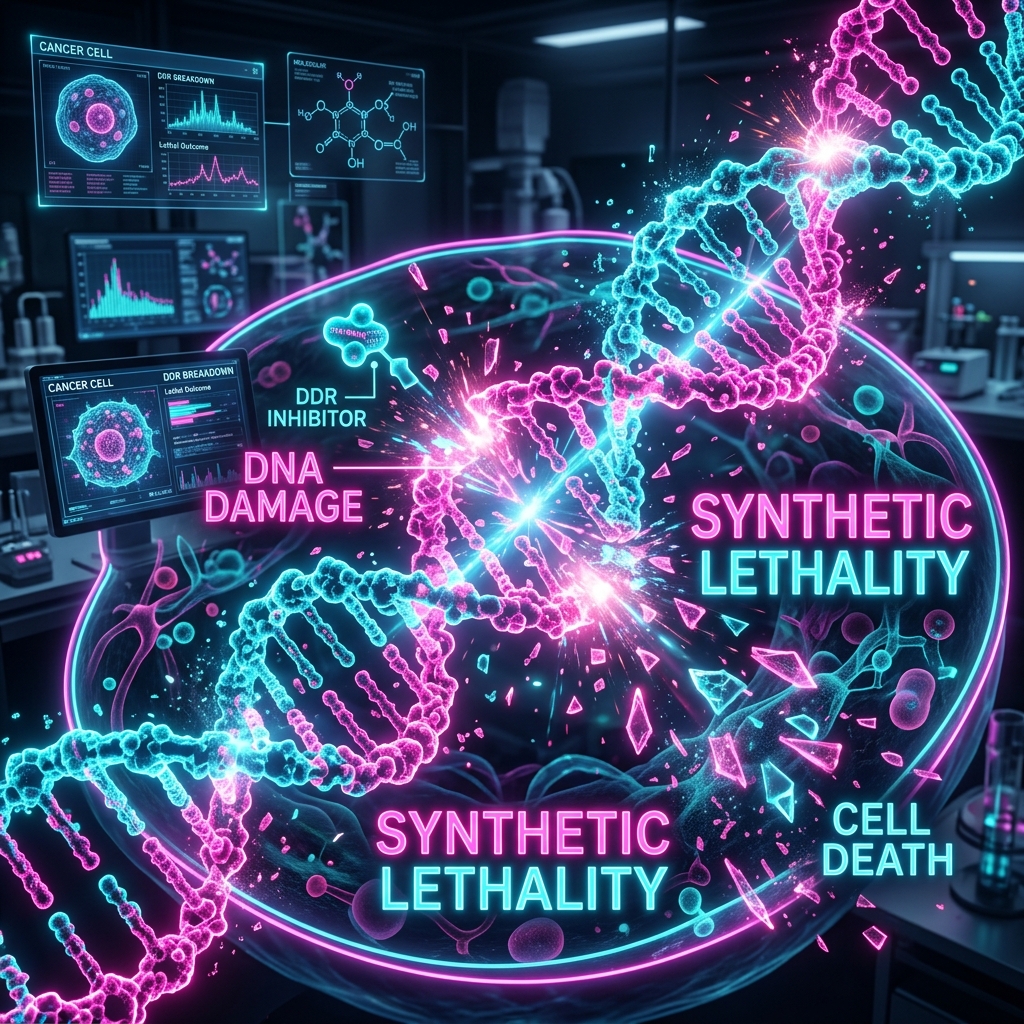
An abstract visual representation of Synthetic Lethality and DNA Damage Response (DDR) in cancer cells

Expanding the Synthetic Lethality Arsenal in 2026

  • WEE1 and ATR Inhibitors: Clinical trials in 2026 have shown remarkable success targeting cell-cycle checkpoints. By forcing cancer cells with damaged DNA to replicate before they can repair, these inhibitors trigger "mitotic catastrophe" and cell death.
  • Polθ (Polymerase Theta) Inhibitors: Emerging as a critical target for BRCA-mutated cancers that have developed resistance to PARP inhibitors. Polθ inhibitors block the back-up repair mechanisms the tumor relies on.
  • Combination Strategies: DDR inhibitors are increasingly used in combination with immunotherapy, as DNA damage can increase the mutational burden of the tumor, making it "hotter" and more visible to the immune system.

Science-driven recovery means finding the tumor's Achilles heel. The expansion of synthetic lethality approaches in 2026 is providing new hope for patients with hard-to-treat solid tumors. Onco Medicine remains your trusted bridge to these advanced targeted therapies.

Targeted Therapy

Synthetic Lethality Beyond PARP Expanding the DNA Damage Response DDR Arsenal

D
Dr. Elena Vance
May 13, 2026
Synthetic Lethality Beyond PARP Expanding the DNA Damage Response DDR Arsenal
Onco Medicine

At a glance

Evidence-informed overview from Onco Medicine. Key themes in this article:

  • Clinically reviewed framing
  • Safety & protocol awareness
  • Patient-relevant takeaways

Prefer to chat on WhatsApp?

Message our pharmacy team directly about this treatment — we reply with product details, sourcing, and next steps.

Chat on WhatsApp

By mid-May 2026, the concept of Synthetic Lethality has expanded far beyond the initial successes of PARP inhibitors. Synthetic lethality occurs when a mutation in one gene is tolerable for a cell, but mutations in two specific genes cause the cell to die. For cancer cells that already have one mutated DNA repair gene (like BRCA), inhibiting a second repair pathway is fatal.

At Onco Medicine, we are accelerating the delivery of the next generation of DNA Damage Response (DDR) inhibitors. These 2026 targeted therapies exploit the inherent vulnerabilities of tumor cells while leaving healthy, DNA-repair-proficient cells unharmed.

An abstract visual representation of Synthetic Lethality and DNA Damage Response (DDR) in cancer cells

Expanding the Synthetic Lethality Arsenal in 2026

  • WEE1 and ATR Inhibitors: Clinical trials in 2026 have shown remarkable success targeting cell-cycle checkpoints. By forcing cancer cells with damaged DNA to replicate before they can repair, these inhibitors trigger "mitotic catastrophe" and cell death.
  • Polθ (Polymerase Theta) Inhibitors: Emerging as a critical target for BRCA-mutated cancers that have developed resistance to PARP inhibitors. Polθ inhibitors block the back-up repair mechanisms the tumor relies on.
  • Combination Strategies: DDR inhibitors are increasingly used in combination with immunotherapy, as DNA damage can increase the mutational burden of the tumor, making it "hotter" and more visible to the immune system.

Science-driven recovery means finding the tumor's Achilles heel. The expansion of synthetic lethality approaches in 2026 is providing new hope for patients with hard-to-treat solid tumors. Onco Medicine remains your trusted bridge to these advanced targeted therapies.



D

Dr. Elena Vance

Dr. Elena Vance is a systems biologist and pioneer in digital twin modeling for drug discovery and personalized patient care.

Continue your care journey

This article is for general education. For medicine availability, prescriptions, and orders, use our catalog and pharmacy team.

Chat on WhatsAppBrowse catalogTreatmentsContact pharmacistsUpload prescription

Related Articles

Targeting DNA Damage Response DDR New Synthetic Lethality Candidates

Targeted Therapy

Targeting DNA Damage Response DDR New Synthetic Lethality Candidates

Read Article

Found this helpful?