Pharmacist support 24/7

Understanding Depression and Ways to Overcome It

Author: Emily Johnson

Introduction

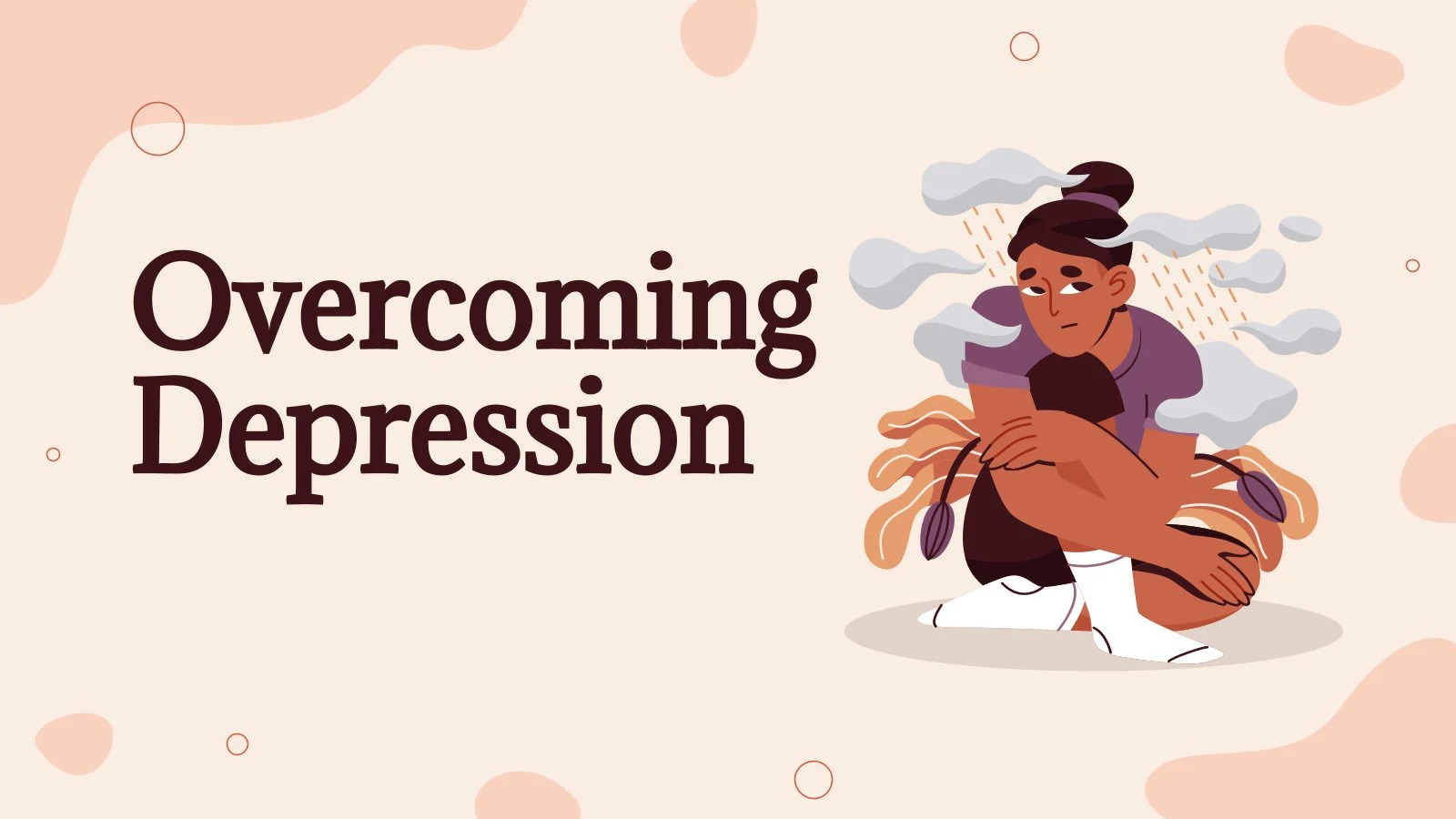
Depression is a complex mental health condition that affects millions of people worldwide. It’s more than just feeling sad or down for a few days—depression is a persistent feeling of sadness, hopelessness, and a lack of interest or pleasure in activities that were once enjoyable. Left untreated, depression can severely impact every aspect of life, from work and relationships to physical health. However, with the right approach, support, and coping strategies, depression is manageable, and recovery is possible. In this blog, we’ll explore what depression is, its causes, symptoms, and practical ways to overcome it.

What is Depression?

Depression, also known as major depressive disorder (MDD) or clinical depression, is a mood disorder that affects how you think, feel, and behave. It can lead to various emotional and physical problems and may interfere with your ability to carry out everyday tasks. The intensity and duration of depressive episodes vary from person to person.

Types of Depression

  • Major Depressive Disorder (MDD): Characterized by persistent sadness, lack of interest in activities, and other symptoms lasting at least two weeks.
  • Persistent Depressive Disorder (Dysthymia): A chronic form of depression where symptoms are less severe but last for two years or more.
  • Seasonal Affective Disorder (SAD): Depression that occurs during certain seasons, usually in the winter when there is less natural sunlight.
  • Postpartum Depression: Depression that affects some women after giving birth.
  • Bipolar Disorder: A mood disorder where individuals experience both depressive and manic (elevated mood) episodes.

Causes of Depression

  • Genetics: A family history of depression increases the likelihood of developing the condition.
  • Chemical Imbalance: An imbalance of neurotransmitters like serotonin, dopamine, and norepinephrine in the brain can trigger depression.
  • Stress and Trauma: Experiencing stressful life events, such as the death of a loved one, financial difficulties, or trauma, can contribute to depression.
  • Medical Conditions: Chronic illnesses such as heart disease, diabetes, or chronic pain can lead to or exacerbate depression.
  • Hormonal Changes: Changes in hormone levels, such as during pregnancy, postpartum, menopause, or thyroid problems, can influence mood and cause depression.
  • Substance Abuse: Long-term alcohol or drug use can increase the risk of depression, and vice versa.

Symptoms of Depression

  • Persistent sadness, emptiness, or hopelessness
  • Loss of interest in activities once enjoyed
  • Fatigue and lack of energy
  • Difficulty concentrating or making decisions
  • Changes in appetite (eating too much or too little)
  • Insomnia or sleeping too much
  • Feelings of worthlessness or excessive guilt
  • Irritability or frustration
  • Physical symptoms like headaches, digestive issues, or unexplained aches
  • Suicidal thoughts or behaviors

It’s essential to recognize these symptoms early and seek help if you or someone you know is experiencing them.

How to Overcome Depression: Practical Strategies

Overcoming depression is not easy, and the journey to recovery may take time. However, there are effective ways to manage and reduce depressive symptoms. Below are some key strategies that can help:

1. Seek Professional Help

The first and most crucial step in overcoming depression is reaching out to a mental health professional. A psychologist, psychiatrist, or counselor can provide an accurate diagnosis and develop a treatment plan tailored to your needs. Treatment often involves:

  • Therapy: Cognitive Behavioral Therapy (CBT) is highly effective in treating depression. It helps people identify and change negative thinking patterns and behaviors that contribute to depression.
  • Medication: Antidepressants, such as selective serotonin reuptake inhibitors (SSRIs), help balance brain chemicals that affect mood. Medication should only be taken under the supervision of a healthcare provider.

2. Develop a Routine

When you’re depressed, even small tasks can feel overwhelming. Having a daily routine can provide structure, which can help you regain a sense of control and purpose. Start with simple, achievable goals, such as getting out of bed at the same time each day, eating regular meals, and incorporating some physical activity.

3. Stay Active

Exercise is a powerful mood booster. Physical activity releases endorphins, the body’s natural mood elevators, and can improve overall well-being. You don’t have to engage in intense workouts; even a daily 20-30 minute walk can make a difference. Activities like yoga, swimming, or cycling can also be beneficial.

4. Challenge Negative Thoughts

One of the hallmarks of depression is negative thinking. It’s important to challenge these thoughts instead of accepting them as reality. Practice questioning the validity of negative thoughts and replacing them with more balanced, realistic ones. For example, if you catch yourself thinking, 'I'm a failure,' remind yourself of your achievements and strengths.

5. Practice Mindfulness and Relaxation Techniques

Mindfulness involves staying present in the moment and being aware of your thoughts and feelings without judgment. Mindfulness practices like meditation, deep breathing exercises, and progressive muscle relaxation can help reduce stress and anxiety, which are often linked to depression.

6. Connect with Others

Depression often leads to isolation, but maintaining social connections is critical for recovery. Reaching out to friends, family, or support groups can provide emotional support and help you feel less alone. Even if it feels difficult, making an effort to engage with others can lift your mood and strengthen your support system.

7. Focus on Nutrition

A balanced diet is essential for both physical and mental health. Certain foods can positively impact brain chemistry. Incorporate foods rich in omega-3 fatty acids (like salmon, walnuts, and flaxseeds), folate (leafy greens, beans, and citrus), and vitamin D into your diet. Avoid excessive sugar, caffeine, and alcohol, as they can exacerbate depressive symptoms.

8. Get Enough Sleep

Sleep and depression are closely linked. Lack of sleep can worsen depressive symptoms, while too much sleep can also contribute to feelings of fatigue and lethargy. Try to establish a consistent sleep schedule, create a relaxing bedtime routine, and avoid screen time before bed to promote restful sleep.

9. Set Small, Achievable Goals

When you're depressed, it can feel overwhelming to think about the future or even get through the day. Breaking tasks down into small, manageable goals can help. Accomplishing even minor tasks, like doing the laundry or cleaning the kitchen, can provide a sense of achievement and improve mood.

10. Limit Stress

Chronic stress is a significant contributor to depression. Learning stress-management techniques, such as time management, delegating tasks, and saying no when necessary, can help alleviate some of the pressures that may be weighing you down.

When to Seek Immediate Help

If you or someone you know is experiencing suicidal thoughts or behaviors, it’s crucial to seek help immediately. Contact a mental health professional, reach out to a suicide prevention hotline, or go to the nearest emergency room. You don’t have to go through this alone, and immediate intervention can save a life.

Conclusion

Depression is a challenging and often debilitating condition, but it is treatable. By seeking professional help, developing healthy habits, and engaging in self-care strategies, it is possible to manage depression and live a fulfilling life. Remember, you’re not alone in this journey, and reaching out for help is the first step toward recovery. Small steps over time can lead to significant improvements in your mental health and well-being.

Resources for Support:

Understanding Depression

Understanding Depression and Ways to Overcome It

E
Emily Johnson
October 13, 2024
Understanding Depression and Ways to Overcome It
Onco Medicine

At a glance

Evidence-informed overview from Onco Medicine. Key themes in this article:

  • Clinically reviewed framing
  • Safety & protocol awareness
  • Patient-relevant takeaways

Prefer to chat on WhatsApp?

Message our pharmacy team directly about this treatment — we reply with product details, sourcing, and next steps.

Chat on WhatsApp

Introduction

Depression is a complex mental health condition that affects millions of people worldwide. It’s more than just feeling sad or down for a few days—depression is a persistent feeling of sadness, hopelessness, and a lack of interest or pleasure in activities that were once enjoyable. Left untreated, depression can severely impact every aspect of life, from work and relationships to physical health. However, with the right approach, support, and coping strategies, depression is manageable, and recovery is possible. In this blog, we’ll explore what depression is, its causes, symptoms, and practical ways to overcome it.

What is Depression?

Depression, also known as major depressive disorder (MDD) or clinical depression, is a mood disorder that affects how you think, feel, and behave. It can lead to various emotional and physical problems and may interfere with your ability to carry out everyday tasks. The intensity and duration of depressive episodes vary from person to person.

Types of Depression

  • Major Depressive Disorder (MDD): Characterized by persistent sadness, lack of interest in activities, and other symptoms lasting at least two weeks.
  • Persistent Depressive Disorder (Dysthymia): A chronic form of depression where symptoms are less severe but last for two years or more.
  • Seasonal Affective Disorder (SAD): Depression that occurs during certain seasons, usually in the winter when there is less natural sunlight.
  • Postpartum Depression: Depression that affects some women after giving birth.
  • Bipolar Disorder: A mood disorder where individuals experience both depressive and manic (elevated mood) episodes.

Causes of Depression

  • Genetics: A family history of depression increases the likelihood of developing the condition.
  • Chemical Imbalance: An imbalance of neurotransmitters like serotonin, dopamine, and norepinephrine in the brain can trigger depression.
  • Stress and Trauma: Experiencing stressful life events, such as the death of a loved one, financial difficulties, or trauma, can contribute to depression.
  • Medical Conditions: Chronic illnesses such as heart disease, diabetes, or chronic pain can lead to or exacerbate depression.
  • Hormonal Changes: Changes in hormone levels, such as during pregnancy, postpartum, menopause, or thyroid problems, can influence mood and cause depression.
  • Substance Abuse: Long-term alcohol or drug use can increase the risk of depression, and vice versa.

Symptoms of Depression

  • Persistent sadness, emptiness, or hopelessness
  • Loss of interest in activities once enjoyed
  • Fatigue and lack of energy
  • Difficulty concentrating or making decisions
  • Changes in appetite (eating too much or too little)
  • Insomnia or sleeping too much
  • Feelings of worthlessness or excessive guilt
  • Irritability or frustration
  • Physical symptoms like headaches, digestive issues, or unexplained aches
  • Suicidal thoughts or behaviors

It’s essential to recognize these symptoms early and seek help if you or someone you know is experiencing them.

How to Overcome Depression: Practical Strategies

Overcoming depression is not easy, and the journey to recovery may take time. However, there are effective ways to manage and reduce depressive symptoms. Below are some key strategies that can help:

1. Seek Professional Help

The first and most crucial step in overcoming depression is reaching out to a mental health professional. A psychologist, psychiatrist, or counselor can provide an accurate diagnosis and develop a treatment plan tailored to your needs. Treatment often involves:

  • Therapy: Cognitive Behavioral Therapy (CBT) is highly effective in treating depression. It helps people identify and change negative thinking patterns and behaviors that contribute to depression.
  • Medication: Antidepressants, such as selective serotonin reuptake inhibitors (SSRIs), help balance brain chemicals that affect mood. Medication should only be taken under the supervision of a healthcare provider.

2. Develop a Routine

When you’re depressed, even small tasks can feel overwhelming. Having a daily routine can provide structure, which can help you regain a sense of control and purpose. Start with simple, achievable goals, such as getting out of bed at the same time each day, eating regular meals, and incorporating some physical activity.

3. Stay Active

Exercise is a powerful mood booster. Physical activity releases endorphins, the body’s natural mood elevators, and can improve overall well-being. You don’t have to engage in intense workouts; even a daily 20-30 minute walk can make a difference. Activities like yoga, swimming, or cycling can also be beneficial.

4. Challenge Negative Thoughts

One of the hallmarks of depression is negative thinking. It’s important to challenge these thoughts instead of accepting them as reality. Practice questioning the validity of negative thoughts and replacing them with more balanced, realistic ones. For example, if you catch yourself thinking, 'I'm a failure,' remind yourself of your achievements and strengths.

5. Practice Mindfulness and Relaxation Techniques

Mindfulness involves staying present in the moment and being aware of your thoughts and feelings without judgment. Mindfulness practices like meditation, deep breathing exercises, and progressive muscle relaxation can help reduce stress and anxiety, which are often linked to depression.

6. Connect with Others

Depression often leads to isolation, but maintaining social connections is critical for recovery. Reaching out to friends, family, or support groups can provide emotional support and help you feel less alone. Even if it feels difficult, making an effort to engage with others can lift your mood and strengthen your support system.

7. Focus on Nutrition

A balanced diet is essential for both physical and mental health. Certain foods can positively impact brain chemistry. Incorporate foods rich in omega-3 fatty acids (like salmon, walnuts, and flaxseeds), folate (leafy greens, beans, and citrus), and vitamin D into your diet. Avoid excessive sugar, caffeine, and alcohol, as they can exacerbate depressive symptoms.

8. Get Enough Sleep

Sleep and depression are closely linked. Lack of sleep can worsen depressive symptoms, while too much sleep can also contribute to feelings of fatigue and lethargy. Try to establish a consistent sleep schedule, create a relaxing bedtime routine, and avoid screen time before bed to promote restful sleep.

9. Set Small, Achievable Goals

When you're depressed, it can feel overwhelming to think about the future or even get through the day. Breaking tasks down into small, manageable goals can help. Accomplishing even minor tasks, like doing the laundry or cleaning the kitchen, can provide a sense of achievement and improve mood.

10. Limit Stress

Chronic stress is a significant contributor to depression. Learning stress-management techniques, such as time management, delegating tasks, and saying no when necessary, can help alleviate some of the pressures that may be weighing you down.

When to Seek Immediate Help

If you or someone you know is experiencing suicidal thoughts or behaviors, it’s crucial to seek help immediately. Contact a mental health professional, reach out to a suicide prevention hotline, or go to the nearest emergency room. You don’t have to go through this alone, and immediate intervention can save a life.

Conclusion

Depression is a challenging and often debilitating condition, but it is treatable. By seeking professional help, developing healthy habits, and engaging in self-care strategies, it is possible to manage depression and live a fulfilling life. Remember, you’re not alone in this journey, and reaching out for help is the first step toward recovery. Small steps over time can lead to significant improvements in your mental health and well-being.

Resources for Support:


E

Emily Johnson

Emily is a mental health advocate and therapist focused on helping individuals navigate depression.

Continue your care journey

This article is for general education. For medicine availability, prescriptions, and orders, use our catalog and pharmacy team.

Chat on WhatsAppBrowse catalogTreatmentsContact pharmacistsUpload prescription

Related Articles

Understanding Second Opinions in Oncology Treatment When and How to Seek One

Patient Support

Understanding Second Opinions in Oncology Treatment When and How to Seek One

Read Article

Found this helpful?