Pharmacist support 24/7

Which Medicines Are Used for FGFR2 Positive Cholangiocarcinoma Sourcing and Regulations

Author: Dr. Sarah Mitchell

On September 15, 2026, international precision oncology panels published a review on targeted therapies for intrahepatic cholangiocarcinoma (iCCA). FGFR2 genetic fusions occur in approximately 10-15% of intrahepatic bile duct cancers, making targeted kinase inhibitors the primary line of treatment.

At Onco Medicine, we specialize in sourcing and delivering verified FGFR2-directed therapies directly to clinics and patients globally under strict compliance protocols.
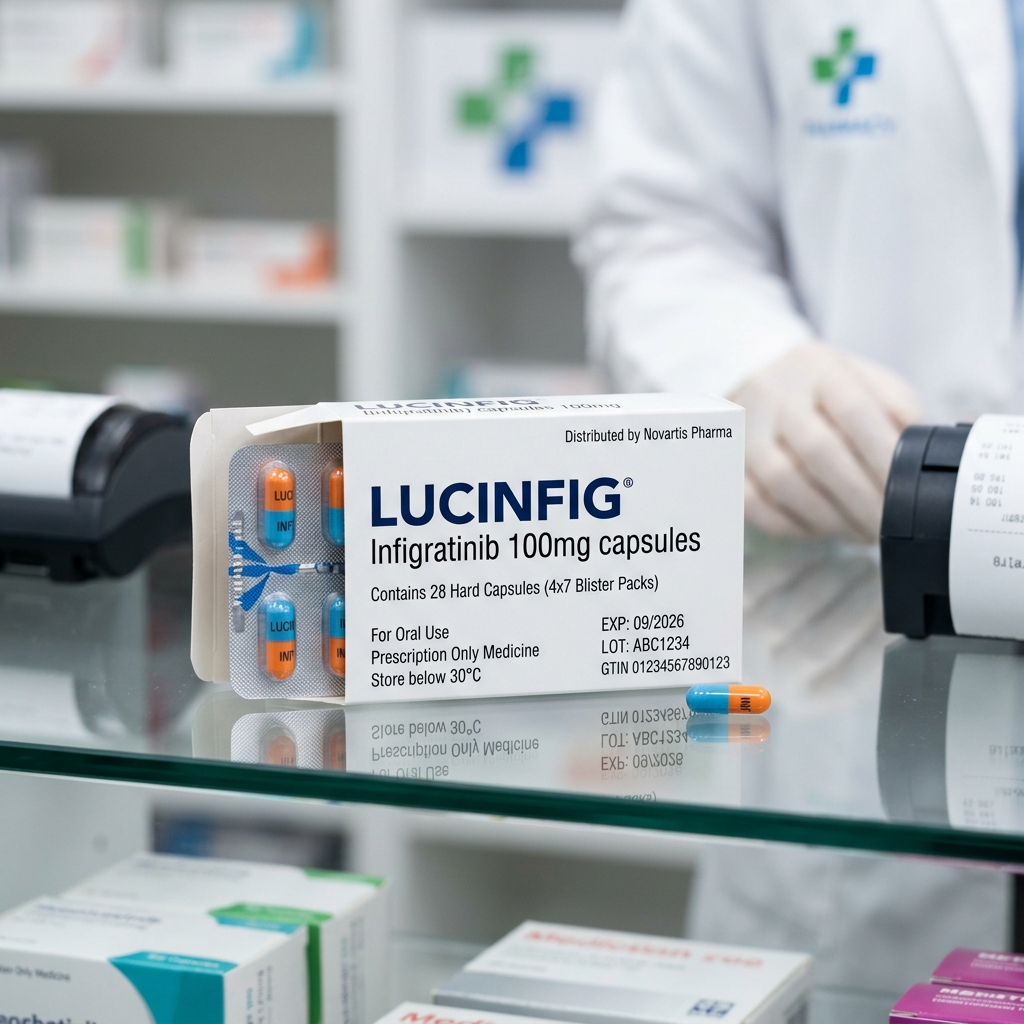
Clinical package of Lucinfig Infigratinib tablets on a sterile glass counter inside a modern oncology clinic

Approved FGFR2-Targeted Therapies

Oncologists rely on the following targeted inhibitors to treat FGFR2-positive cholangiocarcinoma:

  • Infigratinib (Lucinfig): Formulated as oral capsules, this selective kinase inhibitor is taken once daily for 21 days on, followed by 7 days off, in a 28-day cycle.
  • Pemigatinib: An oral small-molecule inhibitor of FGFR1, 2, and 3, taken daily on a similar 21/7 schedule.
  • Futibatinib: A covalent inhibitor that forms an irreversible bond with FGFR receptors, taken continuously.

Contact our support team at support@onco-medicine.com or chat via WhatsApp +91 94275 19809.

Oncology

Which Medicines Are Used for FGFR2 Positive Cholangiocarcinoma Sourcing and Regulations

D
Dr. Sarah Mitchell
September 15, 2026
Which Medicines Are Used for FGFR2 Positive Cholangiocarcinoma Sourcing and Regulations
Onco Medicine

At a glance

Evidence-informed overview from Onco Medicine. Key themes in this article:

  • Clinically reviewed framing
  • Safety & protocol awareness
  • Patient-relevant takeaways

Prefer to chat on WhatsApp?

Message our pharmacy team directly about this treatment — we reply with product details, sourcing, and next steps.

Chat on WhatsApp

On September 15, 2026, international precision oncology panels published a review on targeted therapies for intrahepatic cholangiocarcinoma (iCCA). FGFR2 genetic fusions occur in approximately 10-15% of intrahepatic bile duct cancers, making targeted kinase inhibitors the primary line of treatment.

At Onco Medicine, we specialize in sourcing and delivering verified FGFR2-directed therapies directly to clinics and patients globally under strict compliance protocols.

Clinical package of Lucinfig Infigratinib tablets on a sterile glass counter inside a modern oncology clinic

Approved FGFR2-Targeted Therapies

Oncologists rely on the following targeted inhibitors to treat FGFR2-positive cholangiocarcinoma:

  • Infigratinib (Lucinfig): Formulated as oral capsules, this selective kinase inhibitor is taken once daily for 21 days on, followed by 7 days off, in a 28-day cycle.
  • Pemigatinib: An oral small-molecule inhibitor of FGFR1, 2, and 3, taken daily on a similar 21/7 schedule.
  • Futibatinib: A covalent inhibitor that forms an irreversible bond with FGFR receptors, taken continuously.

Contact our support team at support@onco-medicine.com or chat via WhatsApp +91 94275 19809.


D

Dr. Sarah Mitchell

Dr. Sarah Mitchell is a lead clinical researcher specializing in targeted immunotherapies.

Continue your care journey

This article is for general education. For medicine availability, prescriptions, and orders, use our catalog and pharmacy team.

Chat on WhatsAppBrowse catalogTreatmentsContact pharmacistsUpload prescription

Related Articles

Patient Orders vs Hospital Bulk Supply for Oncology Medicines Which Procurement Option Is Right for You

Oncology

Patient Orders vs Hospital Bulk Supply for Oncology Medicines Which Procurement Option Is Right for You

Read Article

Found this helpful?