Proton and Heavy Ion Therapy in 2026 Expanding Access to Ultra Precise Radiation
Author: Dr. Alan Varma
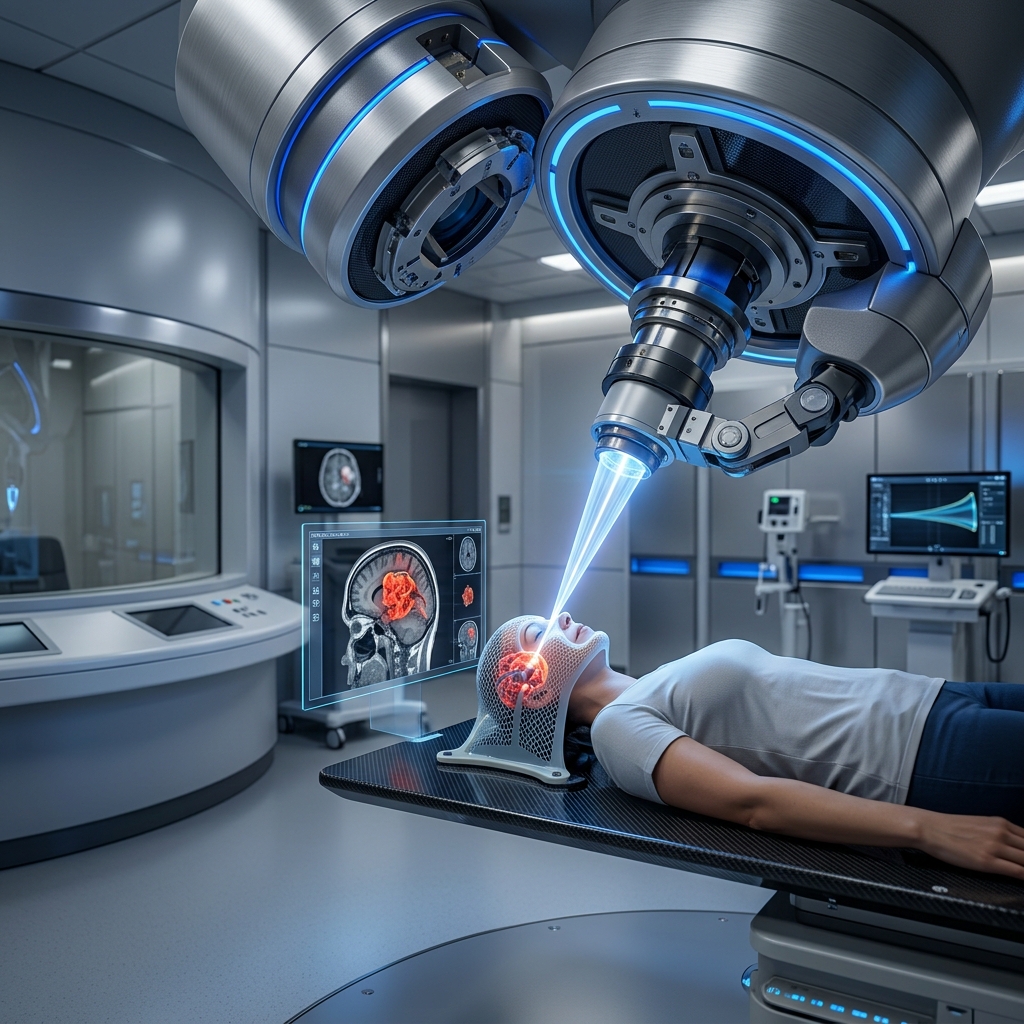
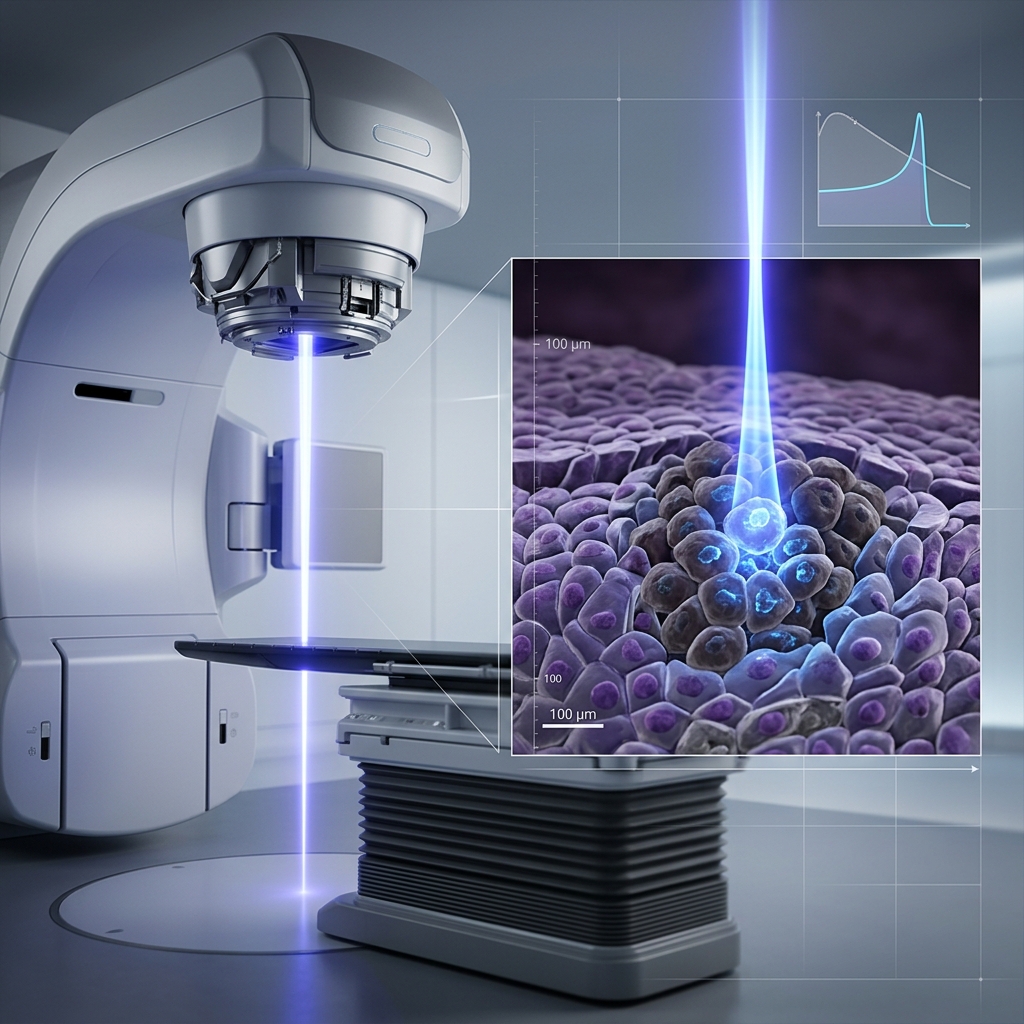
By May 25, 2026, advances in radiation physics and AI-driven planning have significantly expanded patient access to Proton and Heavy Ion Therapies. Unlike traditional photon-based radiation, which releases energy along its entire path through the body, protons and heavy ions deposit their maximum dose at a precise depth—known as the Bragg peak—and stop completely, sparing surrounding healthy tissues.
At Onco Medicine, we are tracking these treatment integrations to coordinate our supportive care medications. Sparing healthy tissues reduces acute side effects, allowing patients to complete their full radiation courses with fewer interruptions.
The 2026 Breakthroughs in Particle Therapy
- Adaptive Proton Therapy: AI algorithms recalculate radiation beams in real-time during the treatment session, adjusting for subtle changes in tumor shape or patient breathing, ensuring perfect alignment.
- Carbon and Helium Ion Efficacy: Heavy ions (like carbon and helium) exert a stronger biological effect on tumors, making them highly effective against radiation-resistant cancers, such as glioblastomas and osteosarcomas.
- Compact Treatment Gantries: Engineering breakthroughs have reduced the physical size of particle accelerators, allowing regional hospitals to build compact proton therapy suites and expand local patient access.
Ultra-precise targeting minimizes collateral damage. The expansion of proton and heavy ion therapies is reshaping how we approach challenging anatomical tumor locations, particularly in pediatric and central nervous system oncology. Onco Medicine is committed to supporting these clinical advancements with our full range of supportive care options.