Pharmacist support 24/7

Proton Therapy vs Photon Radiation Choosing the Right Path in 2026

Author: Dr. Alan Varma

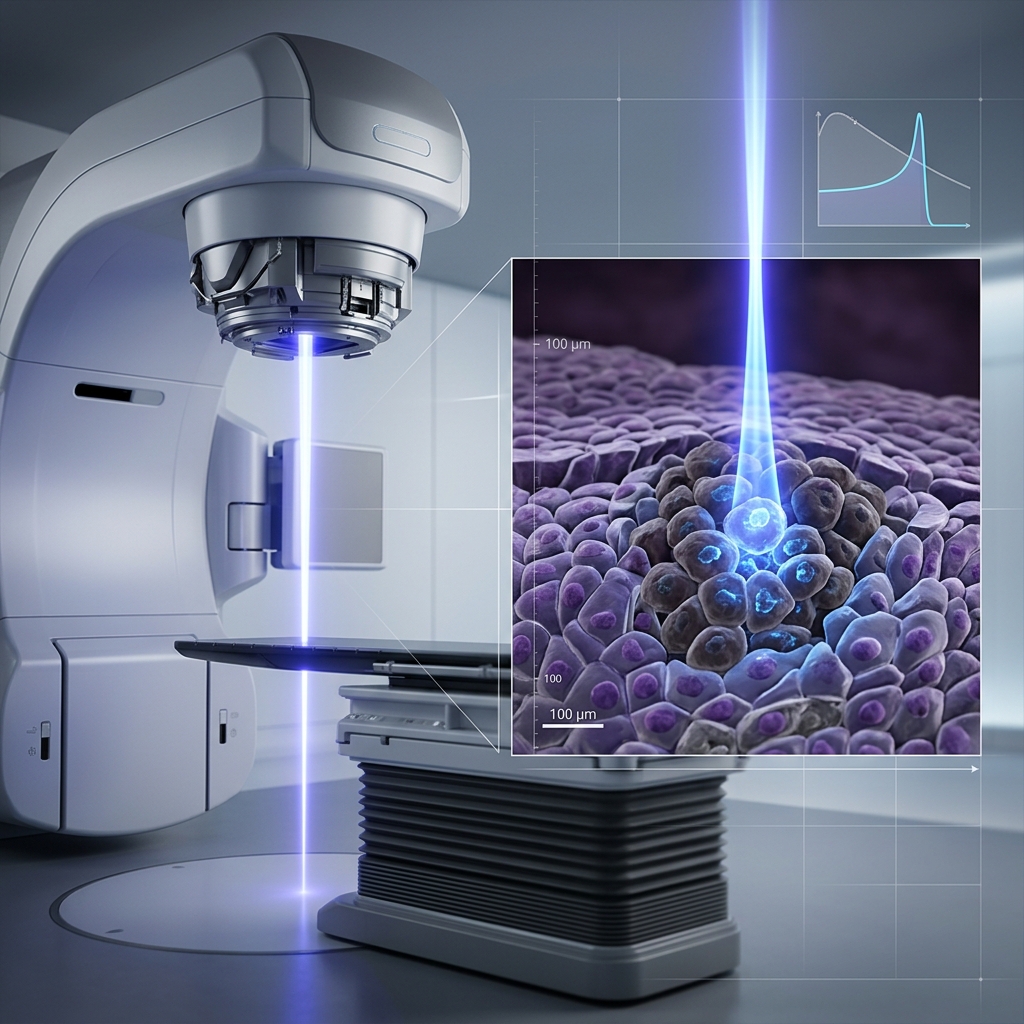
The precision of radiotherapy has reached a pinnacle in 2026 with the widespread clinical adoption of Proton Therapy. Unlike traditional X-ray (photon) radiation, which passes through the entire body, protons can be programmed to stop at a specific depth, delivering a lethal dose of energy directly to the tumor while sparing neighboring healthy tissue.

At Onco Medicine, we are seeing how this "Bragg Peak" effect is transformative for tumors located near sensitive structures, such as in pediatric cases or cancers of the brain, spine, and prostate.

Sleek visualization of proton therapy precision

The Advantages of Proton Precision

  • Reduced Healthy Tissue Damage: Protons stop at the tumor site, meaning the radiation "exit dose" is virtually zero.
  • Higher Quality of Life: Fewer side effects during and after treatment, particularly important for brain and cardiac-proximal tumors.
  • Suitability for Re-Irradiation: Because healthy tissue is spared, it is often safer to treat a recurrence in the same area.
  • Pediatric Excellence: Reducing the long-term risk of secondary cancers in young patients whose organs are still developing.

Science-driven recovery starts with the right equipment. Choosing between proton and photon therapy is a decision that requires a multidisciplinary oncology team. Onco Medicine supports these advanced radiology workflows to ensure the best possible long-term outcomes for every patient.

Radiology

Proton Therapy vs Photon Radiation Choosing the Right Path in 2026

D
Dr. Alan Varma
April 4, 2026
Proton Therapy vs Photon Radiation Choosing the Right Path in 2026
Onco Medicine

At a glance

Evidence-informed overview from Onco Medicine. Key themes in this article:

  • Clinically reviewed framing
  • Safety & protocol awareness
  • Patient-relevant takeaways

Prefer to chat on WhatsApp?

Message our pharmacy team directly about this treatment — we reply with product details, sourcing, and next steps.

Chat on WhatsApp

The precision of radiotherapy has reached a pinnacle in 2026 with the widespread clinical adoption of Proton Therapy. Unlike traditional X-ray (photon) radiation, which passes through the entire body, protons can be programmed to stop at a specific depth, delivering a lethal dose of energy directly to the tumor while sparing neighboring healthy tissue.

At Onco Medicine, we are seeing how this "Bragg Peak" effect is transformative for tumors located near sensitive structures, such as in pediatric cases or cancers of the brain, spine, and prostate.

Sleek visualization of proton therapy precision

The Advantages of Proton Precision

  • Reduced Healthy Tissue Damage: Protons stop at the tumor site, meaning the radiation "exit dose" is virtually zero.
  • Higher Quality of Life: Fewer side effects during and after treatment, particularly important for brain and cardiac-proximal tumors.
  • Suitability for Re-Irradiation: Because healthy tissue is spared, it is often safer to treat a recurrence in the same area.
  • Pediatric Excellence: Reducing the long-term risk of secondary cancers in young patients whose organs are still developing.

Science-driven recovery starts with the right equipment. Choosing between proton and photon therapy is a decision that requires a multidisciplinary oncology team. Onco Medicine supports these advanced radiology workflows to ensure the best possible long-term outcomes for every patient.



D

Dr. Alan Varma

Dr. Alan Varma is a senior radiation oncologist and pioneer in AI-driven radiotherapy planning and proton therapy systems.

Continue your care journey

This article is for general education. For medicine availability, prescriptions, and orders, use our catalog and pharmacy team.

Chat on WhatsAppBrowse catalogTreatmentsContact pharmacistsUpload prescription

Related Articles

AI Assisted Radiotherapy Precision Targeting for Better Outcomes

Radiology

AI Assisted Radiotherapy Precision Targeting for Better Outcomes

Read Article

Found this helpful?