Pharmacist support 24/7

The Role of Next Generation Sequencing NGS in Targeted Lung Cancer Therapy

Author: Dr. Marcus Thorne

Lung cancer treatment has been fundamentally transformed by the rise of Next-Generation Sequencing (NGS). As of March 31, 2026, we no longer treat "lung cancer" as a single disease. Instead, we use NGS to decode the tumor's unique genetic fingerprint, identifying mutations like EGFR, ALK, ROS1, and KRAS with surgical precision.

At Onco Medicine, we are providing the companion diagnostics and specialized medications necessitated by these findings. By sequencing billions of base pairs in a single run, NGS allows oncologists to select the "Best Fit" medication for each patient on Day 1 of treatment.
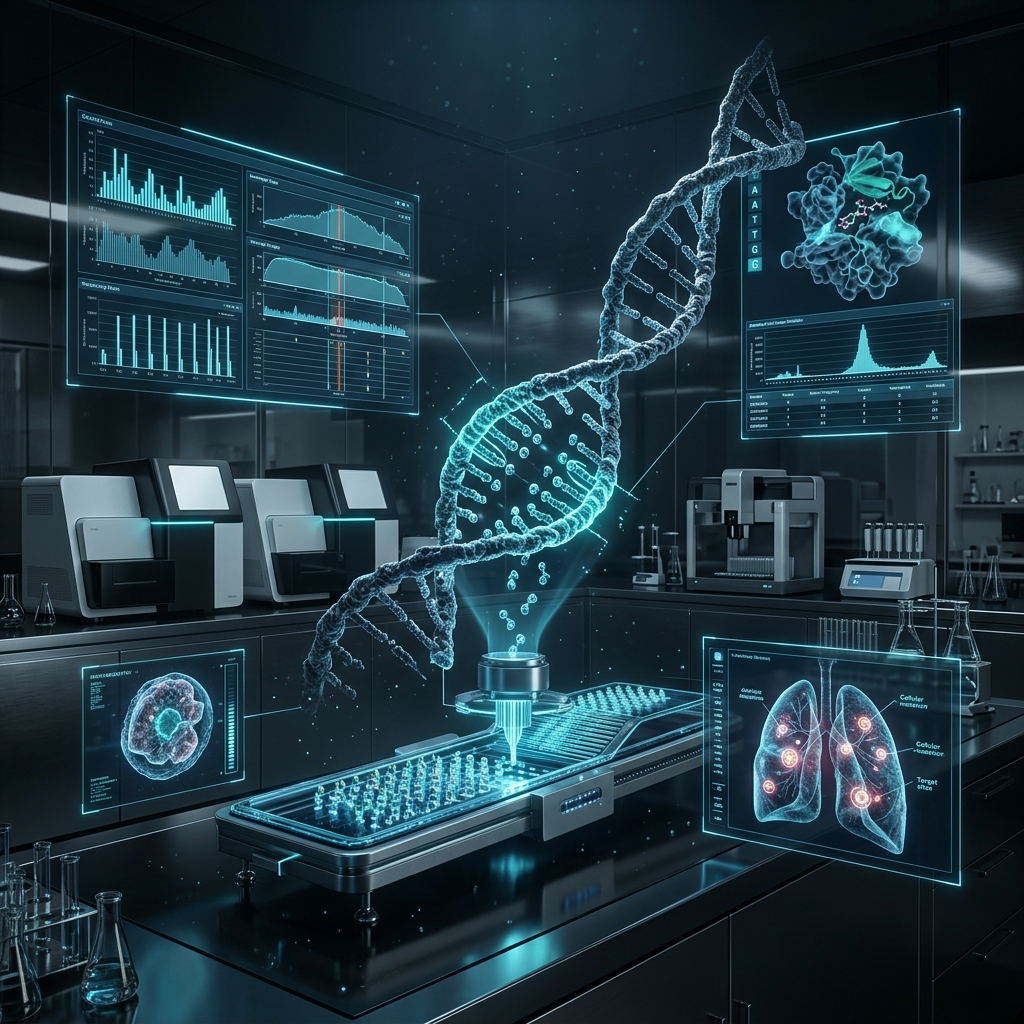
Clinical visualization of DNA sequencing for lung cancer

Why NGS is the Gold Standard

  • Multi-Targeted Analysis: Screening for hundreds of actionable mutations simultaneously rather than testing them one-by-one.
  • Detecting Rare Variants: Identifying rare "fusions" (like RET or NTRK) that standard tests often miss.
  • Real-Time Monitoring: Using "Liquid NGS" (blood tests) to track how the tumor genomic profile changes during treatment.
  • Personalized Dosaging: Using genetic data to predict how a patient will metabolize specific immunotherapy agents.

Personalized treatment isn't a goal—it is our current reality. By starting with a genomic map, we ensure that every pill, infusion, and clinical decision is backed by the biology of the patient. Onco Medicine is your trusted bridge to this advanced diagnostic world.
Precision Oncology

The Role of Next Generation Sequencing NGS in Targeted Lung Cancer Therapy

D
Dr. Marcus Thorne
March 31, 2026
The Role of Next Generation Sequencing NGS in Targeted Lung Cancer Therapy
Onco Medicine

At a glance

Evidence-informed overview from Onco Medicine. Key themes in this article:

  • Clinically reviewed framing
  • Safety & protocol awareness
  • Patient-relevant takeaways

Prefer to chat on WhatsApp?

Message our pharmacy team directly about this treatment — we reply with product details, sourcing, and next steps.

Chat on WhatsApp

Lung cancer treatment has been fundamentally transformed by the rise of Next-Generation Sequencing (NGS). As of March 31, 2026, we no longer treat "lung cancer" as a single disease. Instead, we use NGS to decode the tumor's unique genetic fingerprint, identifying mutations like EGFR, ALK, ROS1, and KRAS with surgical precision.

At Onco Medicine, we are providing the companion diagnostics and specialized medications necessitated by these findings. By sequencing billions of base pairs in a single run, NGS allows oncologists to select the "Best Fit" medication for each patient on Day 1 of treatment.

Clinical visualization of DNA sequencing for lung cancer

Why NGS is the Gold Standard

  • Multi-Targeted Analysis: Screening for hundreds of actionable mutations simultaneously rather than testing them one-by-one.
  • Detecting Rare Variants: Identifying rare "fusions" (like RET or NTRK) that standard tests often miss.
  • Real-Time Monitoring: Using "Liquid NGS" (blood tests) to track how the tumor genomic profile changes during treatment.
  • Personalized Dosaging: Using genetic data to predict how a patient will metabolize specific immunotherapy agents.

Personalized treatment isn't a goal—it is our current reality. By starting with a genomic map, we ensure that every pill, infusion, and clinical decision is backed by the biology of the patient. Onco Medicine is your trusted bridge to this advanced diagnostic world.


D

Dr. Marcus Thorne

Dr. Marcus Thorne is a lead research oncologist specializing in genomic profiling and targeted therapy development.

Continue your care journey

This article is for general education. For medicine availability, prescriptions, and orders, use our catalog and pharmacy team.

Chat on WhatsAppBrowse catalogTreatmentsContact pharmacistsUpload prescription

Related Articles

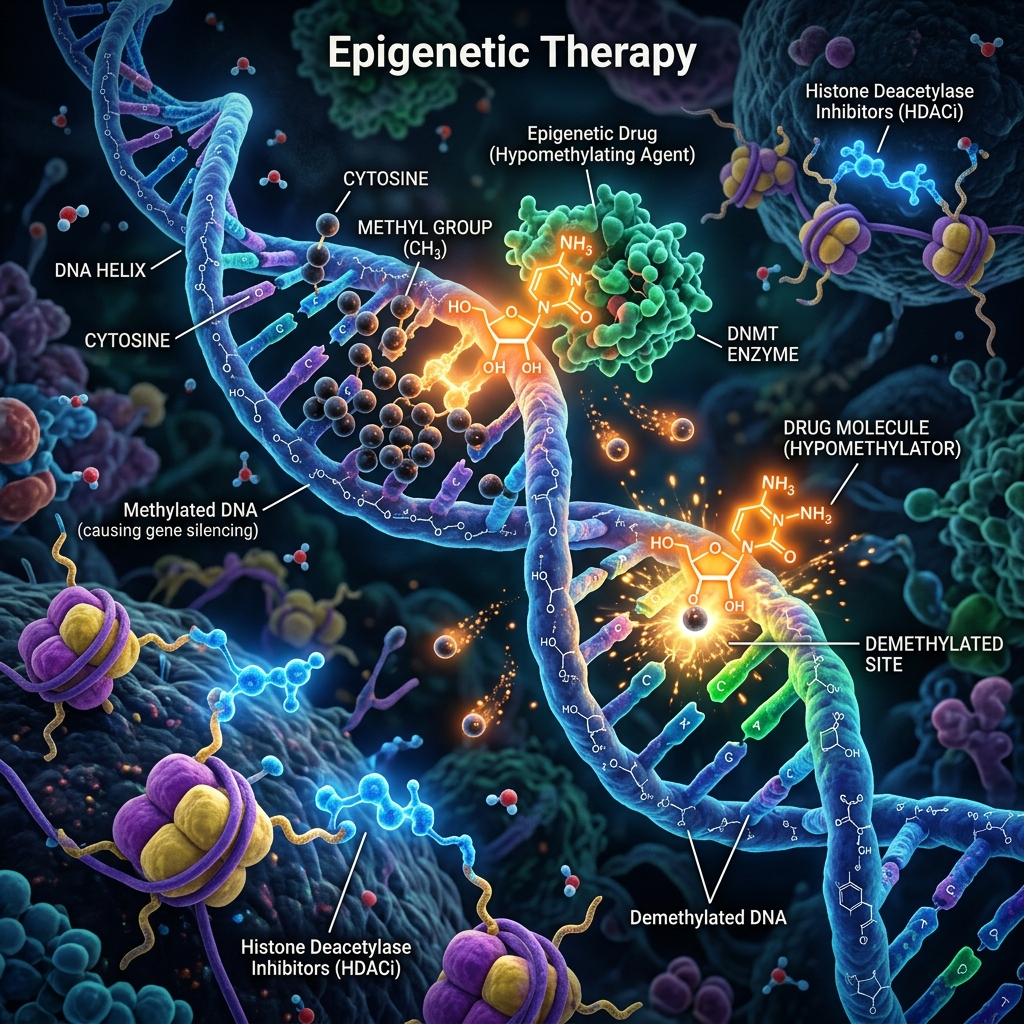
Epigenetic Therapy The Next Frontier in Cancer Treatment 2026

Precision Oncology

Epigenetic Therapy The Next Frontier in Cancer Treatment 2026

Read Article

Found this helpful?