Pharmacist support 24/7

Precision Oncology The Future of Targeted Cancer Care

Author: Dr. Marcus Thorne

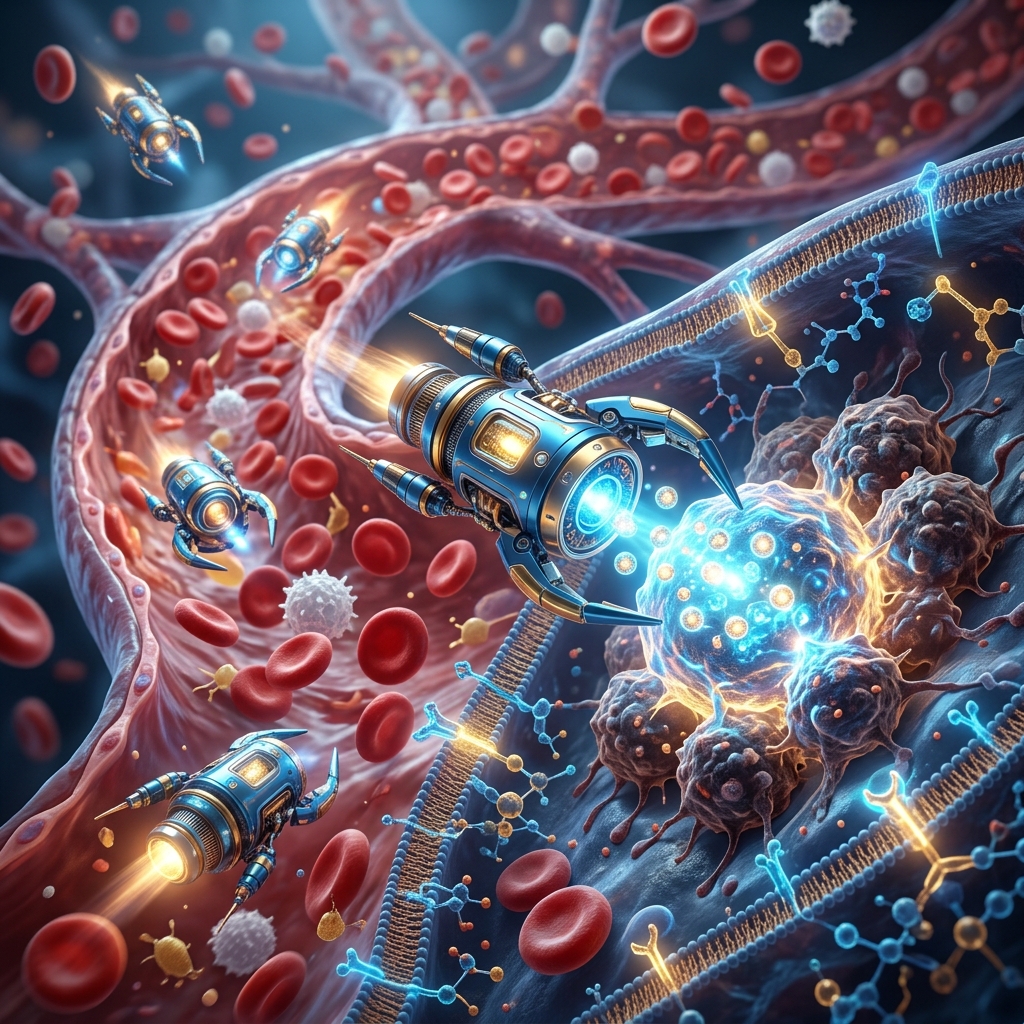
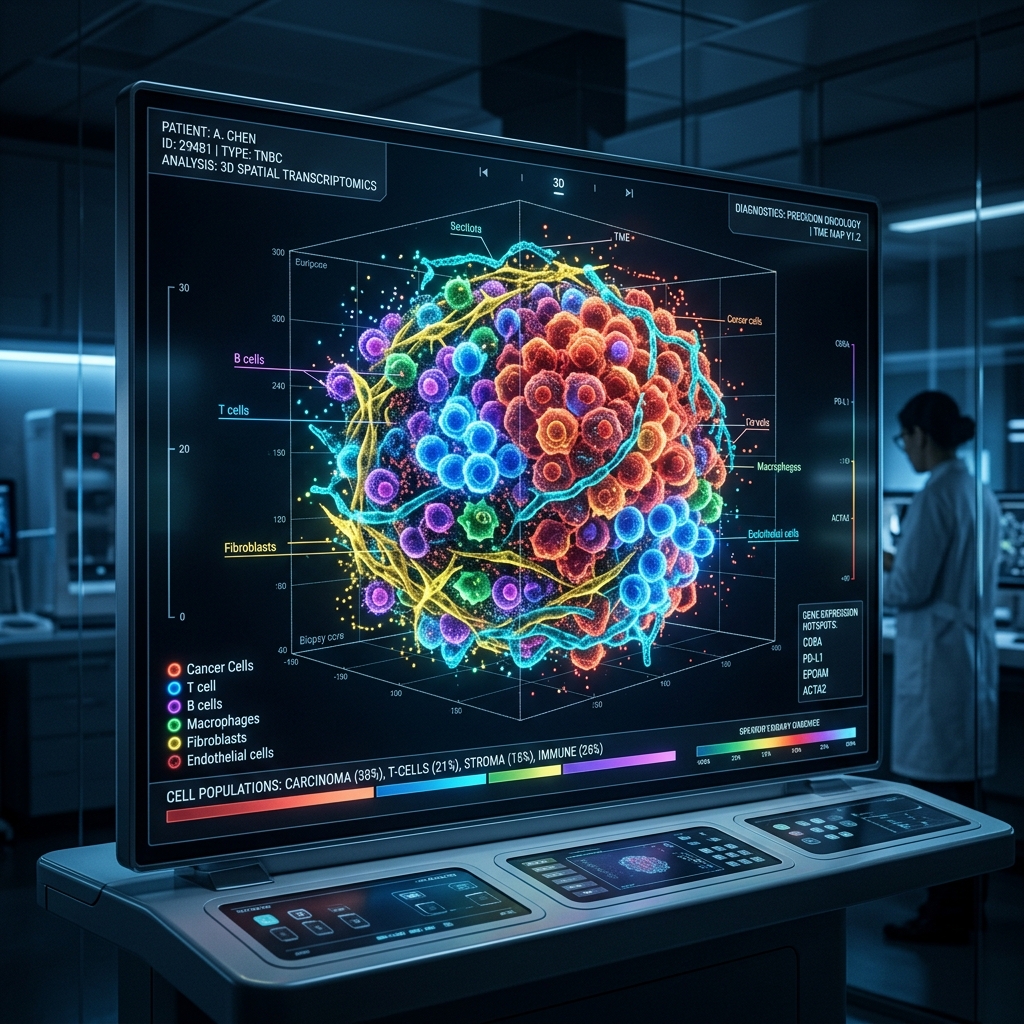
Precision oncology is an innovative approach to cancer care that uses information about a person's own genes and proteins to prevent, diagnose, or treat cancer. By mapping the genetic blueprint of a tumor, doctors can identify the exact molecular drivers of the disease and select treatments that "target" those specific anomalies.

Moving from a "one-size-fits-all" model to highly personalized care, precision oncology relies on genomic profiling, bioinformatics, and targeted therapies to improve patient outcomes while reducing side effects. This guide explores the core pillars of precision medicine and why it represents the future of cancer treatment.

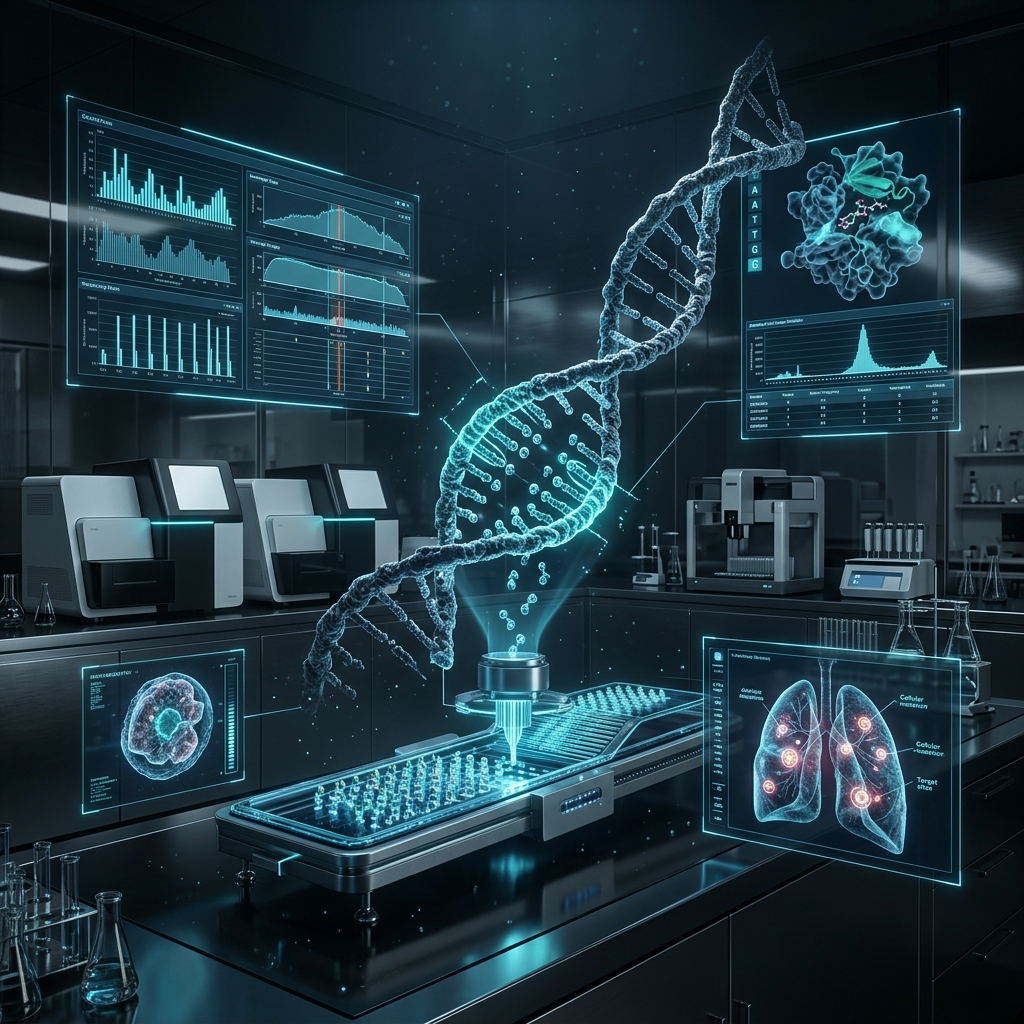
Precision Oncology DNA and digital diagnostics

What is Precision Oncology?

Precision oncology uses advanced molecular testing to understand the unique characteristics of a patient's cancer. Instead of treating "lung cancer" or "breast cancer" as a single entity, doctors identify specific genetic mutations — such as EGFR, ALK, or KRAS — that are responsible for the tumor's growth.

This allows for the use of targeted therapies, which are drugs designed to block the specific genes or proteins that cancer cells need to survive and spread. Because these drugs are highly specific, they often cause fewer side effects than traditional chemotherapy, which affects all fast-growing cells in the body.

The Pillars of Precision Cancer Care

  • Genomic Profiling: Analyzing the tumor DNA to identify actionable mutations.
  • Targeted Therapy: Drugs that specifically attack cancer-driving molecules.
  • Liquid Biopsy: Blood-based DNA testing used to monitor treatment response in real-time.
  • AI-Driven Diagnostics: Using machine learning to predict treatment success.

At Onco Medicine, we are committed to providing the pharmaceutical support and expertise needed to navigate these advanced therapies. Precision medicine handles the science, and we handle the care.

Sources of Support and Information:
Precision Oncology

Precision Oncology The Future of Targeted Cancer Care

D
Dr. Marcus Thorne
March 12, 2026
Precision Oncology The Future of Targeted Cancer Care
Onco Medicine

At a glance

Evidence-informed overview from Onco Medicine. Key themes in this article:

  • Clinically reviewed framing
  • Safety & protocol awareness
  • Patient-relevant takeaways

Prefer to chat on WhatsApp?

Message our pharmacy team directly about this treatment — we reply with product details, sourcing, and next steps.

Chat on WhatsApp

Precision oncology is an innovative approach to cancer care that uses information about a person's own genes and proteins to prevent, diagnose, or treat cancer. By mapping the genetic blueprint of a tumor, doctors can identify the exact molecular drivers of the disease and select treatments that "target" those specific anomalies.

Moving from a "one-size-fits-all" model to highly personalized care, precision oncology relies on genomic profiling, bioinformatics, and targeted therapies to improve patient outcomes while reducing side effects. This guide explores the core pillars of precision medicine and why it represents the future of cancer treatment.

Precision Oncology DNA and digital diagnostics

What is Precision Oncology?

Precision oncology uses advanced molecular testing to understand the unique characteristics of a patient's cancer. Instead of treating "lung cancer" or "breast cancer" as a single entity, doctors identify specific genetic mutations — such as EGFR, ALK, or KRAS — that are responsible for the tumor's growth.

This allows for the use of targeted therapies, which are drugs designed to block the specific genes or proteins that cancer cells need to survive and spread. Because these drugs are highly specific, they often cause fewer side effects than traditional chemotherapy, which affects all fast-growing cells in the body.

The Pillars of Precision Cancer Care

  • Genomic Profiling: Analyzing the tumor DNA to identify actionable mutations.
  • Targeted Therapy: Drugs that specifically attack cancer-driving molecules.
  • Liquid Biopsy: Blood-based DNA testing used to monitor treatment response in real-time.
  • AI-Driven Diagnostics: Using machine learning to predict treatment success.

At Onco Medicine, we are committed to providing the pharmaceutical support and expertise needed to navigate these advanced therapies. Precision medicine handles the science, and we handle the care.

Sources of Support and Information:

D

Dr. Marcus Thorne

Dr. Marcus Thorne is a lead research oncologist specializing in genomic profiling and targeted therapy development, with a focus on personalizing treatment for advanced-stage cancer patients.

Continue your care journey

This article is for general education. For medicine availability, prescriptions, and orders, use our catalog and pharmacy team.

Chat on WhatsAppBrowse catalogTreatmentsContact pharmacistsUpload prescription

Related Articles

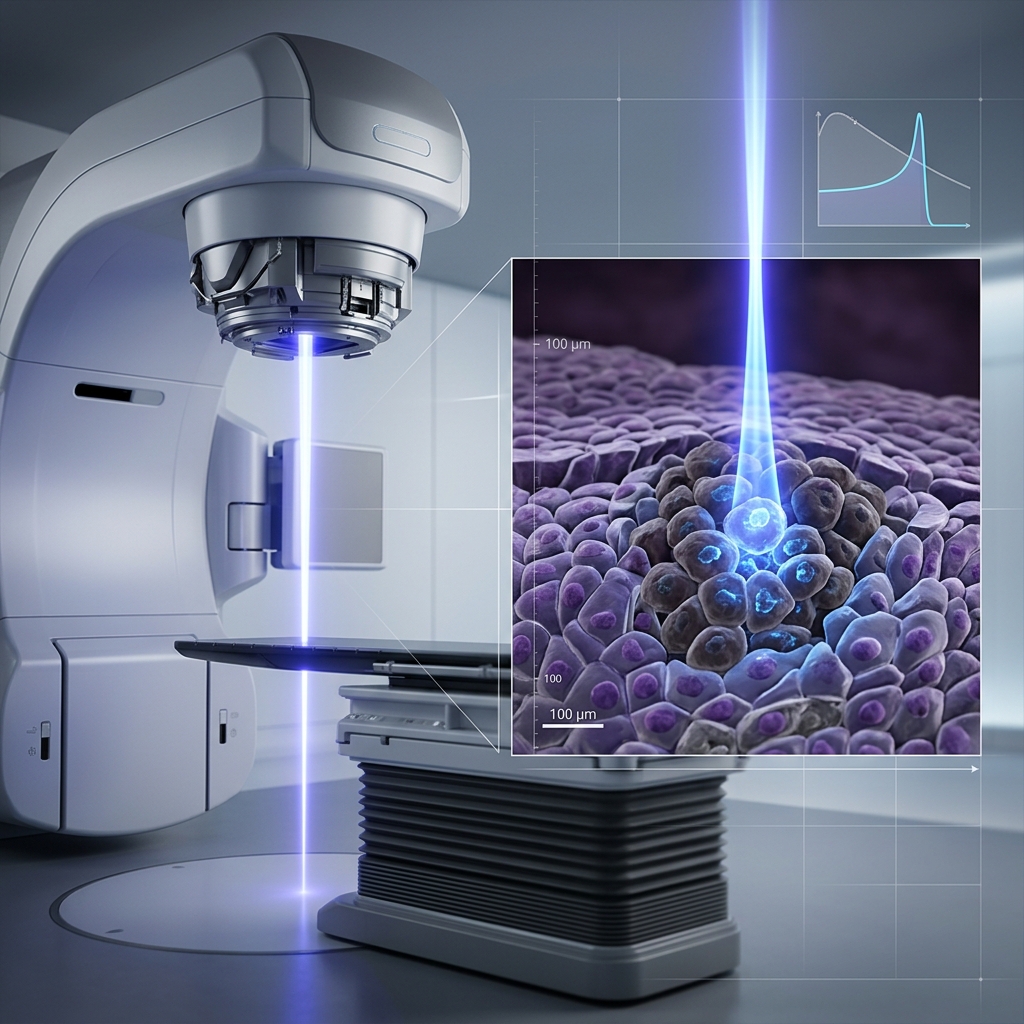
Proton Therapy Precision The 2026 Shift in Targeted Radiation Oncology

Precision Oncology

Proton Therapy Precision The 2026 Shift in Targeted Radiation Oncology

Read Article

Found this helpful?