Pharmacist support 24/7

Understanding Acromegaly and Its Treatment Options

Author: John Doe

Introduction

Acromegaly is a rare but serious hormonal disorder that occurs when the pituitary gland produces too much growth hormone (GH). This excess hormone leads to abnormal growth of bones and tissues, particularly in the hands, feet, and face. While it usually develops slowly and goes undiagnosed for years, untreated acromegaly can cause severe health complications. Fortunately, effective treatments are available to manage the condition and improve quality of life. In this blog, we'll explore what acromegaly is, its causes, symptoms, and the treatment options available.

What is Acromegaly?

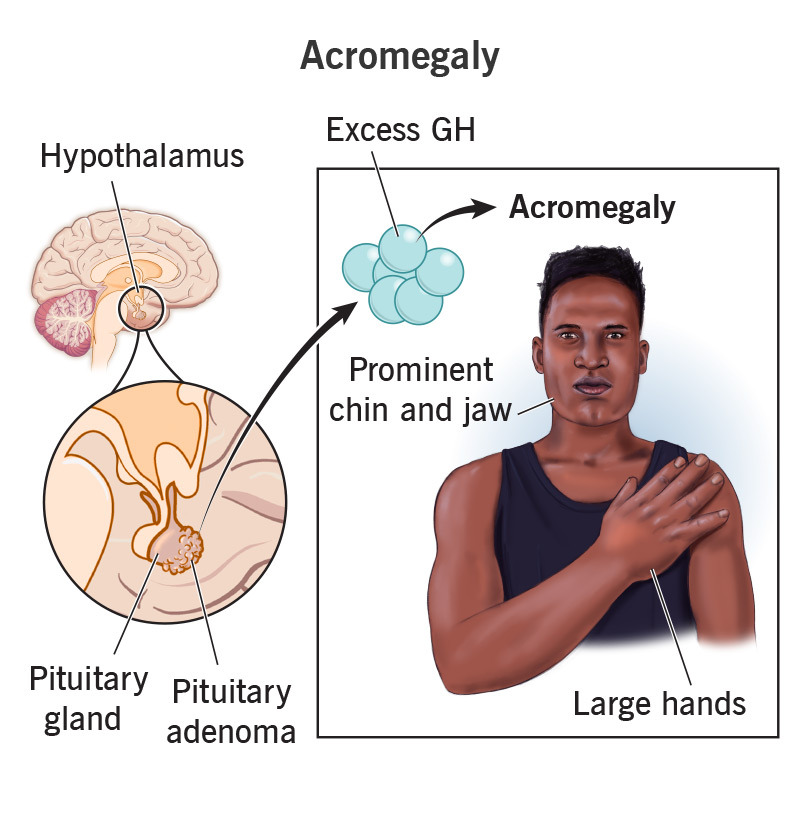
Acromegaly primarily affects adults, usually between the ages of 30 and 50. The condition is caused by prolonged exposure to excessive amounts of growth hormone. The overproduction of GH is often triggered by a noncancerous tumor called an adenoma on the pituitary gland, which is located at the base of the brain.

The growth hormone promotes the production of another hormone called insulin-like growth factor 1 (IGF-1), which plays a crucial role in bone and tissue growth. In people with acromegaly, elevated levels of GH and IGF-1 lead to abnormal growth patterns, affecting various parts of the body.

Causes of Acromegaly

  • The main cause of acromegaly is a pituitary adenoma (benign tumor). In rare cases, the excess production of growth hormone may be due to tumors located in other parts of the body, such as the pancreas, lungs, or adrenal glands. These tumors may also produce growth hormone or stimulate the pituitary gland to release more GH.

Symptoms of Acromegaly

Acromegaly develops slowly, often over several years, which makes the symptoms difficult to notice in the early stages. Some common signs and symptoms include:

  • Enlarged hands and feet: One of the hallmark symptoms is an increase in hand and foot size, making it difficult to wear rings or shoes that used to fit.
  • Facial changes: Gradual enlargement of facial features, such as a protruding jaw, larger nose, thickened lips, and widened spaces between teeth.
  • Joint pain and arthritis: Excessive growth can cause joint and bone pain, leading to arthritis, especially in the hands, knees, and back.
  • Thickened skin: The skin may become rough, oily, and thickened.
  • Deepened voice: Enlargement of the vocal cords and sinuses can result in a deeper voice.
  • Headaches and vision problems: A growing pituitary tumor may press on nearby tissues, causing frequent headaches and visual disturbances.
  • Fatigue and muscle weakness: Many people with acromegaly experience general fatigue and muscle weakness.
  • Sleep apnea: Breathing problems during sleep due to the enlargement of soft tissues in the throat.

Without treatment, acromegaly can lead to more severe complications, such as:

  • Hypertension (high blood pressure)
  • Type 2 diabetes
  • Cardiovascular disease
  • Colorectal polyps
  • Carpal tunnel syndrome
  • Goiter (enlarged thyroid gland)

Diagnosis of Acromegaly

Early detection of acromegaly is crucial to prevent complications. Diagnosis typically involves:

  • Blood Tests: The doctor will measure levels of growth hormone (GH) and insulin-like growth factor 1 (IGF-1) in the blood. Elevated levels indicate acromegaly.
  • Glucose Tolerance Test: In healthy individuals, growth hormone levels drop after consuming glucose. In acromegaly patients, GH levels remain high.
  • Imaging Studies: MRI or CT scans are used to locate and assess the size of the pituitary adenoma or other tumors.

Treatment Options for Acromegaly

Treatment for acromegaly focuses on reducing GH levels, shrinking or removing the tumor, and managing symptoms. The most effective treatment plan varies from person to person, but the following options are commonly used:

  1. Surgery: Surgical removal of the pituitary tumor is often the first line of treatment. Transsphenoidal surgery is a minimally invasive procedure where the surgeon removes the tumor through the nasal passages. This surgery can lead to rapid reductions in GH levels and alleviate symptoms. However, complete removal of the tumor isn’t always possible, particularly in large or complex tumors, and additional treatments may be required.
  2. Medications: If surgery alone cannot completely control acromegaly, medications can be used to lower GH and IGF-1 levels. The most common medications include:
    • Somatostatin Analogs (SSAs): Drugs like octreotide and lanreotide mimic somatostatin, a hormone that inhibits GH production. These medications are effective in controlling GH levels and shrinking tumors in some cases.
    • Growth Hormone Receptor Antagonists: Pegvisomant blocks the effects of growth hormone on the body's tissues, reducing IGF-1 levels and reversing symptoms of acromegaly.
    • Dopamine Agonists: Drugs like cabergoline and bromocriptine can lower GH levels, particularly in patients with mild acromegaly or those who cannot tolerate other treatments.
  3. Radiation Therapy: Radiation therapy is used when surgery and medications are not sufficient to control GH levels. This treatment helps destroy any remaining tumor cells that could not be surgically removed. There are two main types of radiation therapy:
    • Conventional Radiation Therapy: Administered over several weeks, this type of radiation gradually reduces GH levels, but it may take years to achieve full results.
    • Stereotactic Radiosurgery: A more precise and focused form of radiation that targets the tumor in a single session. This method can provide quicker results with fewer side effects.

Living with Acromegaly

Living with acromegaly can be challenging, but with proper treatment and ongoing medical care, many patients lead full, healthy lives. It’s essential to maintain regular follow-up appointments with your healthcare team to monitor hormone levels, tumor growth, and any side effects of treatment. In addition, lifestyle changes such as adopting a balanced diet, staying active, and managing stress can help improve overall health and well-being.

Support from family, friends, and patient advocacy groups can also make a significant difference in coping with the emotional and physical impacts of acromegaly.

Conclusion

Acromegaly is a rare but treatable condition. Early detection and timely treatment can prevent many of the severe complications associated with this disorder. Whether through surgery, medications, or radiation therapy, managing acromegaly is possible, and advances in treatment continue to improve the quality of life for patients. If you suspect you may have symptoms of acromegaly, it’s crucial to seek medical advice as soon as possible.

Sources of Support and Information:
What is Acromegaly?

Understanding Acromegaly and Its Treatment Options

J
John Doe
October 13, 2024
Understanding Acromegaly and Its Treatment Options
Onco Medicine

At a glance

Evidence-informed overview from Onco Medicine. Key themes in this article:

  • Clinically reviewed framing
  • Safety & protocol awareness
  • Patient-relevant takeaways

Prefer to chat on WhatsApp?

Message our pharmacy team directly about this treatment — we reply with product details, sourcing, and next steps.

Chat on WhatsApp

Introduction

Acromegaly is a rare but serious hormonal disorder that occurs when the pituitary gland produces too much growth hormone (GH). This excess hormone leads to abnormal growth of bones and tissues, particularly in the hands, feet, and face. While it usually develops slowly and goes undiagnosed for years, untreated acromegaly can cause severe health complications. Fortunately, effective treatments are available to manage the condition and improve quality of life. In this blog, we'll explore what acromegaly is, its causes, symptoms, and the treatment options available.

What is Acromegaly?

Acromegaly primarily affects adults, usually between the ages of 30 and 50. The condition is caused by prolonged exposure to excessive amounts of growth hormone. The overproduction of GH is often triggered by a noncancerous tumor called an adenoma on the pituitary gland, which is located at the base of the brain.

The growth hormone promotes the production of another hormone called insulin-like growth factor 1 (IGF-1), which plays a crucial role in bone and tissue growth. In people with acromegaly, elevated levels of GH and IGF-1 lead to abnormal growth patterns, affecting various parts of the body.

Causes of Acromegaly

  • The main cause of acromegaly is a pituitary adenoma (benign tumor). In rare cases, the excess production of growth hormone may be due to tumors located in other parts of the body, such as the pancreas, lungs, or adrenal glands. These tumors may also produce growth hormone or stimulate the pituitary gland to release more GH.

Symptoms of Acromegaly

Acromegaly develops slowly, often over several years, which makes the symptoms difficult to notice in the early stages. Some common signs and symptoms include:

  • Enlarged hands and feet: One of the hallmark symptoms is an increase in hand and foot size, making it difficult to wear rings or shoes that used to fit.
  • Facial changes: Gradual enlargement of facial features, such as a protruding jaw, larger nose, thickened lips, and widened spaces between teeth.
  • Joint pain and arthritis: Excessive growth can cause joint and bone pain, leading to arthritis, especially in the hands, knees, and back.
  • Thickened skin: The skin may become rough, oily, and thickened.
  • Deepened voice: Enlargement of the vocal cords and sinuses can result in a deeper voice.
  • Headaches and vision problems: A growing pituitary tumor may press on nearby tissues, causing frequent headaches and visual disturbances.
  • Fatigue and muscle weakness: Many people with acromegaly experience general fatigue and muscle weakness.
  • Sleep apnea: Breathing problems during sleep due to the enlargement of soft tissues in the throat.

Without treatment, acromegaly can lead to more severe complications, such as:

  • Hypertension (high blood pressure)
  • Type 2 diabetes
  • Cardiovascular disease
  • Colorectal polyps
  • Carpal tunnel syndrome
  • Goiter (enlarged thyroid gland)

Diagnosis of Acromegaly

Early detection of acromegaly is crucial to prevent complications. Diagnosis typically involves:

  • Blood Tests: The doctor will measure levels of growth hormone (GH) and insulin-like growth factor 1 (IGF-1) in the blood. Elevated levels indicate acromegaly.
  • Glucose Tolerance Test: In healthy individuals, growth hormone levels drop after consuming glucose. In acromegaly patients, GH levels remain high.
  • Imaging Studies: MRI or CT scans are used to locate and assess the size of the pituitary adenoma or other tumors.

Treatment Options for Acromegaly

Treatment for acromegaly focuses on reducing GH levels, shrinking or removing the tumor, and managing symptoms. The most effective treatment plan varies from person to person, but the following options are commonly used:

  1. Surgery: Surgical removal of the pituitary tumor is often the first line of treatment. Transsphenoidal surgery is a minimally invasive procedure where the surgeon removes the tumor through the nasal passages. This surgery can lead to rapid reductions in GH levels and alleviate symptoms. However, complete removal of the tumor isn’t always possible, particularly in large or complex tumors, and additional treatments may be required.
  2. Medications: If surgery alone cannot completely control acromegaly, medications can be used to lower GH and IGF-1 levels. The most common medications include:
    • Somatostatin Analogs (SSAs): Drugs like octreotide and lanreotide mimic somatostatin, a hormone that inhibits GH production. These medications are effective in controlling GH levels and shrinking tumors in some cases.
    • Growth Hormone Receptor Antagonists: Pegvisomant blocks the effects of growth hormone on the body's tissues, reducing IGF-1 levels and reversing symptoms of acromegaly.
    • Dopamine Agonists: Drugs like cabergoline and bromocriptine can lower GH levels, particularly in patients with mild acromegaly or those who cannot tolerate other treatments.
  3. Radiation Therapy: Radiation therapy is used when surgery and medications are not sufficient to control GH levels. This treatment helps destroy any remaining tumor cells that could not be surgically removed. There are two main types of radiation therapy:
    • Conventional Radiation Therapy: Administered over several weeks, this type of radiation gradually reduces GH levels, but it may take years to achieve full results.
    • Stereotactic Radiosurgery: A more precise and focused form of radiation that targets the tumor in a single session. This method can provide quicker results with fewer side effects.

Living with Acromegaly

Living with acromegaly can be challenging, but with proper treatment and ongoing medical care, many patients lead full, healthy lives. It’s essential to maintain regular follow-up appointments with your healthcare team to monitor hormone levels, tumor growth, and any side effects of treatment. In addition, lifestyle changes such as adopting a balanced diet, staying active, and managing stress can help improve overall health and well-being.

Support from family, friends, and patient advocacy groups can also make a significant difference in coping with the emotional and physical impacts of acromegaly.

Conclusion

Acromegaly is a rare but treatable condition. Early detection and timely treatment can prevent many of the severe complications associated with this disorder. Whether through surgery, medications, or radiation therapy, managing acromegaly is possible, and advances in treatment continue to improve the quality of life for patients. If you suspect you may have symptoms of acromegaly, it’s crucial to seek medical advice as soon as possible.

Sources of Support and Information:


J

John Doe

John is an endocrinologist with over 10 years of experience in treating hormonal disorders.

Continue your care journey

This article is for general education. For medicine availability, prescriptions, and orders, use our catalog and pharmacy team.

Chat on WhatsAppBrowse catalogTreatmentsContact pharmacistsUpload prescription

Related Articles

Understanding Breast Cancer and Its Treatment Options

What is Breast Cancer?

Understanding Breast Cancer and Its Treatment Options

Read Article

Found this helpful?