Understanding Breast Cancer and Its Treatment Options
Author: Jane Smith
Introduction
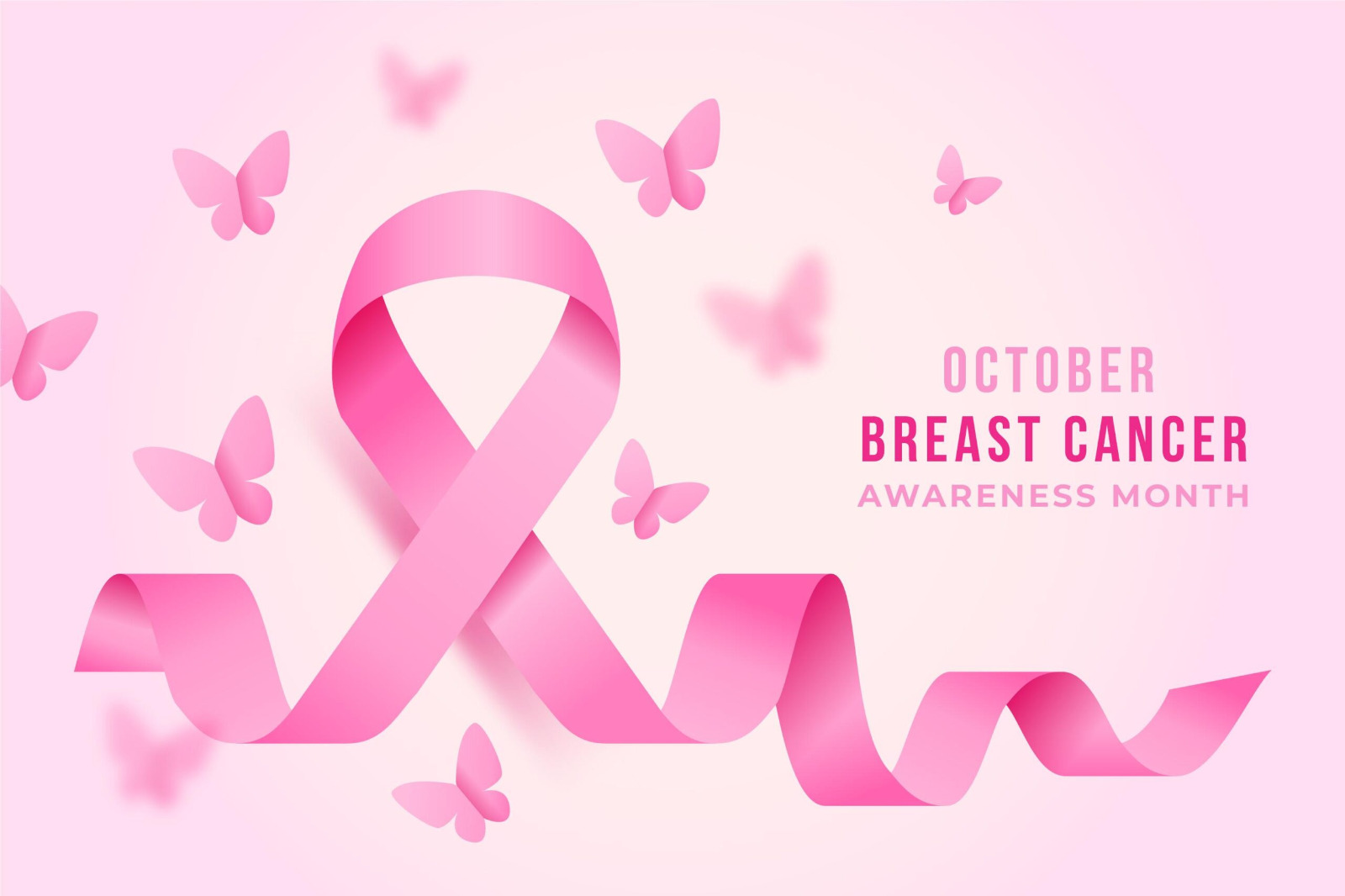
Breast cancer is one of the most common cancers affecting women worldwide, though it can also affect men. It originates in the cells of the breast, where abnormal cell growth can lead to the formation of tumors. Early detection and advances in treatment have greatly improved survival rates. In this blog, we'll explore breast cancer, its causes, symptoms, and the various treatment options available.
What is Breast Cancer?
Breast cancer occurs when breast cells grow uncontrollably, forming a malignant tumor. These cancerous cells can spread to other parts of the body, a process known as metastasis. Breast cancer usually begins in the lobules (milk-producing glands) or the ducts (the pathways that carry milk from the lobules to the nipple).
Types of Breast Cancer
- Ductal Carcinoma In Situ (DCIS): A non-invasive cancer where abnormal cells are found in the lining of the breast milk duct, but they have not spread beyond the ducts.
- Invasive Ductal Carcinoma (IDC): The most common type, IDC starts in the milk ducts and invades surrounding breast tissue.
- Invasive Lobular Carcinoma (ILC): Starts in the lobules and spreads to nearby tissues.
- Triple-Negative Breast Cancer: A more aggressive type that lacks estrogen, progesterone, and HER2 receptors, making it harder to treat.
- HER2-Positive Breast Cancer: A type of cancer with higher levels of the HER2 protein, which promotes cancer cell growth.
Risk Factors for Breast Cancer
- Genetics: A family history of breast cancer or mutations in the BRCA1 and BRCA2 genes.
- Age: The risk increases with age, especially after 50.
- Hormone Exposure: Prolonged exposure to estrogen, such as from early menstruation or late menopause.
- Lifestyle Factors: Obesity, lack of physical activity, alcohol consumption, and smoking.
- Radiation Exposure: Previous radiation therapy to the chest increases the risk.
Symptoms of Breast Cancer
Early-stage breast cancer often shows no symptoms. However, common signs include:
- A lump in the breast or underarm.
- Changes in breast shape or size.
- Skin dimpling or puckering.
- Nipple discharge or inversion.
- Redness or flaky skin on the breast or nipple area.
It’s essential to perform regular self-exams and seek medical advice if any abnormalities are detected.
Diagnosis of Breast Cancer
Early diagnosis significantly increases the chances of successful treatment. Some of the diagnostic methods include:
- Mammography: An X-ray image of the breast that can detect tumors before they can be felt.
- Ultrasound: Helps differentiate between solid masses and fluid-filled cysts.
- Biopsy: A sample of breast tissue is removed and examined for cancer cells.
- MRI: Offers detailed images to assess the extent of cancer.
Treatment Options for Breast Cancer
Breast cancer treatment is highly individualized based on the stage, type, and biological characteristics of the tumor, as well as the patient's overall health. Here's an overview of the main treatment options:
1. Surgery
Surgery is often the first line of treatment for breast cancer and may involve:
- Lumpectomy: Removing only the tumor and a small margin of surrounding tissue.
- Mastectomy: Removal of the entire breast to eliminate cancer.
- Sentinel Lymph Node Biopsy: Checks if cancer has spread to nearby lymph nodes.
- Breast Reconstruction Surgery: Can be performed after a mastectomy to rebuild the breast.
2. Radiation Therapy
Radiation therapy uses high-energy rays to kill cancer cells and is often used after surgery to target any remaining cancerous cells. It reduces the risk of recurrence and is commonly combined with other treatments.
3. Chemotherapy
Chemotherapy uses drugs to kill rapidly dividing cancer cells throughout the body. It may be administered before surgery (neoadjuvant) to shrink the tumor or after surgery (adjuvant) to eliminate any remaining cancer cells.
Common Chemotherapy Regimens: Drugs like doxorubicin, paclitaxel, and cyclophosphamide are often used in combinations.
4. Hormone Therapy
Hormone therapy is effective for cancers that are hormone receptor-positive (ER+ or PR+). These treatments either lower estrogen levels in the body or block the hormone from supporting cancer growth.
Common Hormone Therapies: Tamoxifen and aromatase inhibitors (e.g., letrozole, anastrozole) are widely used.
5. Targeted Therapy
Targeted therapy drugs specifically attack cancer cells with certain mutations or proteins without affecting normal cells. One of the most common targets is the HER2 protein.
HER2-Targeted Therapies: Trastuzumab (Herceptin), pertuzumab, and trastuzumab emtansine (Kadcyla) are examples of drugs used for HER2-positive breast cancer.
6. Immunotherapy
Immunotherapy boosts the body’s immune system to recognize and fight cancer cells. Pembrolizumab (Keytruda) has shown promise in treating certain types of breast cancer, particularly triple-negative breast cancer.
Living with Breast Cancer
A diagnosis of breast cancer is life-altering, but advances in treatment mean many women live long, fulfilling lives after treatment. It’s crucial for patients to stay informed, ask questions, and seek support from healthcare providers, loved ones, and cancer support groups.
Regular follow-ups, healthy lifestyle changes, and mental health support can also make a significant difference in recovery and long-term well-being.
Conclusion
Breast cancer is a complex disease with multiple treatment options tailored to each individual's condition. Early detection through self-exams and regular screenings, coupled with modern therapies like surgery, chemotherapy, radiation, and targeted treatments, have made it possible to successfully treat and manage breast cancer. If you or someone you know is affected, take heart in knowing that continuous research and advancements are bringing us closer to better outcomes every day.
Sources of Support and Information:
- American Cancer Society: www.cancer.org
- Breast Cancer Now: www.breastcancernow.org
- National Breast Cancer Foundation: www.nationalbreastcancer.org