Pharmacist support 24/7

AI Driven Drug Repurposing Accelerating Treatments for Rare Diseases

Author: Dr. Sarah Mitchell

The traditional drug discovery process is famously slow, often taking over a decade and billions of dollars to bring a single new therapy to market. For patients with rare diseases—many of whom don't have the luxury of time—this timeline is unacceptable. However, in 2026, artificial intelligence is breaking this bottleneck through "Drug Repurposing."

At Onco Medicine, we are closely monitoring how machine learning models identify new therapeutic uses for existing, FDA-approved medications. By leveraging vast datasets of molecular interactions and clinical outcomes, AI can find "hidden" connections that humans might miss, potentially delivering life-saving treatments in months instead of years.
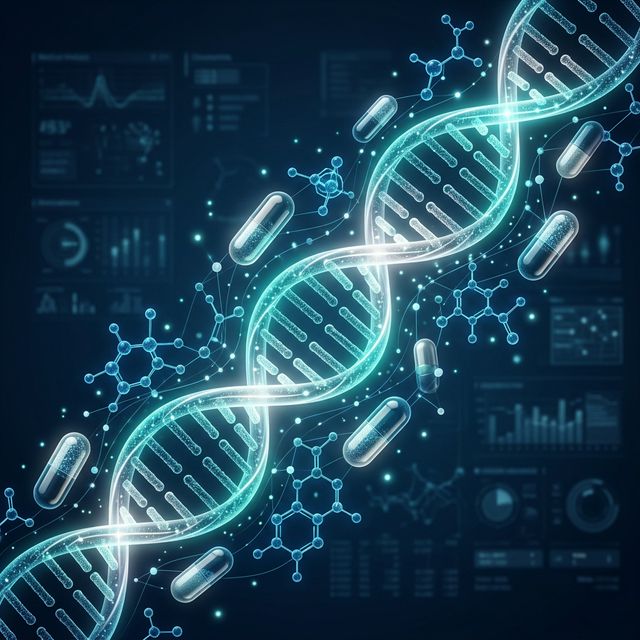
AI-driven drug repurposing visualization

Why Repurposing is a Game-Changer

Drug repurposing (or repositioning) involves taking a drug already approved for one condition and using it for another. Since the safety profile, dosage guidelines, and manufacturing processes are already established, repurposed drugs can bypass early-stage clinical trials, dramatically reducing both risk and cost.

AI excels here because it can simulate how a drug molecule interacts with different biological pathways across thousands of diseases simultaneously. In 2026, we are seeing successful repurposing of cardiovascular drugs for neurodegenerative conditions and oncology medications for rare autoimmune disorders.

The Core Pillars of AI-Enabled Discovery

  • Knowledge Graphs: Mapping millions of relationships between genes, proteins, and diseases.
  • Virtual Screening: Simulating molecular docking at a scale impossible in a physical lab.
  • Real-World Evidence (RWE): Analyzing patient records to see unintended positive side effects of existing medications.
  • Predictive Toxicology: Ensuring redirected drugs remain safe in their new clinical context.

The future of pharmacology is not just about inventing new molecules; it's about unlocking the full potential of the ones we already have. Onco Medicineis proud to support the distribution and clinical implementation of these breakthrough repurposed therapies.

Sources of Support:

Pharmaceutical Innovation

AI Driven Drug Repurposing Accelerating Treatments for Rare Diseases

D
Dr. Sarah Mitchell
March 20, 2026
AI Driven Drug Repurposing Accelerating Treatments for Rare Diseases
Onco Medicine

At a glance

Evidence-informed overview from Onco Medicine. Key themes in this article:

  • Clinically reviewed framing
  • Safety & protocol awareness
  • Patient-relevant takeaways

Prefer to chat on WhatsApp?

Message our pharmacy team directly about this treatment — we reply with product details, sourcing, and next steps.

Chat on WhatsApp

The traditional drug discovery process is famously slow, often taking over a decade and billions of dollars to bring a single new therapy to market. For patients with rare diseases—many of whom don't have the luxury of time—this timeline is unacceptable. However, in 2026, artificial intelligence is breaking this bottleneck through "Drug Repurposing."

At Onco Medicine, we are closely monitoring how machine learning models identify new therapeutic uses for existing, FDA-approved medications. By leveraging vast datasets of molecular interactions and clinical outcomes, AI can find "hidden" connections that humans might miss, potentially delivering life-saving treatments in months instead of years.

AI-driven drug repurposing visualization

Why Repurposing is a Game-Changer

Drug repurposing (or repositioning) involves taking a drug already approved for one condition and using it for another. Since the safety profile, dosage guidelines, and manufacturing processes are already established, repurposed drugs can bypass early-stage clinical trials, dramatically reducing both risk and cost.

AI excels here because it can simulate how a drug molecule interacts with different biological pathways across thousands of diseases simultaneously. In 2026, we are seeing successful repurposing of cardiovascular drugs for neurodegenerative conditions and oncology medications for rare autoimmune disorders.

The Core Pillars of AI-Enabled Discovery

  • Knowledge Graphs: Mapping millions of relationships between genes, proteins, and diseases.
  • Virtual Screening: Simulating molecular docking at a scale impossible in a physical lab.
  • Real-World Evidence (RWE): Analyzing patient records to see unintended positive side effects of existing medications.
  • Predictive Toxicology: Ensuring redirected drugs remain safe in their new clinical context.

The future of pharmacology is not just about inventing new molecules; it's about unlocking the full potential of the ones we already have. Onco Medicineis proud to support the distribution and clinical implementation of these breakthrough repurposed therapies.

Sources of Support:

D

Dr. Sarah Mitchell

Dr. Mitchell is a clinical researcher specializing in pharmaceutical innovation and the application of AI in drug discovery protocols.

Continue your care journey

This article is for general education. For medicine availability, prescriptions, and orders, use our catalog and pharmacy team.

Chat on WhatsAppBrowse catalogTreatmentsContact pharmacistsUpload prescription

Related Articles

AI Driven Drug Discovery The 2026 Acceleration in Oncology Research

Pharmaceutical Innovation

AI Driven Drug Discovery The 2026 Acceleration in Oncology Research

Read Article

Found this helpful?